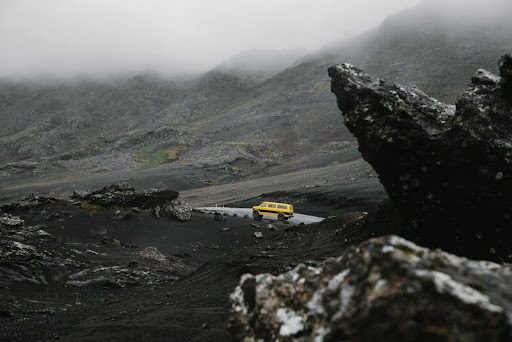
Chasing freedom—nothing beats the feeling of the open road between two rugged ridges.
Let’s be honest, life moves fast. And sometimes, between work deadlines and grocery runs, we forget just how big and breathtaking the world really is. But here’s the thing: you don’t need to travel halfway across the globe to have an unforgettable adventure. The U.S. is packed with wild, scenic, and soul-stirring experiences that belong on your bucket list.
Ready to dream big and live a little louder? These ten U.S.-based adventures will push you out of your comfort zone, in the best way possible.
1. What’s the thrill of conquering a mountain hike?
It’s about more than just the view; it’s about proving something to yourself.
Scaling a mountain is a full-body challenge. Legs burning, lungs gasping, heart pounding, you’ll feel every step. But the reward? Absolutely worth it. Reaching that summit delivers a sense of accomplishment you can’t buy or fake.
Whether you’re tackling steep switchbacks or navigating rocky scrambles, mountain hiking is as much mental as it is physical. It’s you versus nature, and every trail tells a different story.
Plus, let’s not forget the 360-degree views at the top. There’s nothing quite like standing above the clouds, knowing you got there on your own two feet.
2. Why take a cross-country road trip?
Because the open road offers freedom like nothing else.
A road trip isn’t just a mode of travel; it’s an experience in itself. You’ve got a full tank of gas, a killer playlist, snacks in the glove box, and endless possibilities ahead. What’s not to love?
Driving coast-to-coast lets you soak up the country’s diversity, from rolling farmland and desert stretches to mountain passes and sleepy small towns. You’ll stumble upon diners, dive bars, quirky roadside attractions, and scenery that looks like a movie set.
And the best part? You set the pace. No security lines, no flight delays, just you and the wide, winding highway.
3. What makes exploring a remote national park so special?
Total disconnection. Total immersion. Total reset.
Let’s face it: we’re glued to our screens. But out in the remote wilderness, your phone’s just a paperweight, and that’s a good thing.
Spending a few days backpacking through untouched nature means trading noise for birdsong and headlights for starlight. National parks offer some of the last truly wild places in the country, where trails wind through dense forests, past alpine lakes, and into quiet valleys.
It’s humbling. It’s healing. And it’s a surefire way to shake off city stress.
According to the National Park Service, over 325 million people visited U.S. national parks in 2023, but the most remote trails? Still empty enough to make you feel like the only person on Earth.
4. Is camping in the desert really worth it?
Absolutely, especially if you’re craving silence, stars, and surreal beauty.
Deserts get a bad rap. People think they’re dry, dead, and boring. But anyone who’s camped out under a desert sky will tell you that couldn’t be further from the truth.
Desert nights are quiet in a way that feels sacred. During the day, the light shifts constantly, painting everything in shades of gold, pink, and red. And at night? The stars put on a show that rivals any city skyline.
Whether you’re tucked into a canyon, nestled among cacti, or lying on warm sand, there’s something deeply calming about desert camping. Just bring layers, temperatures drop fast after sunset.
5. What’s it like to raft a wild river?
It’s wet, wild, and wildly addictive.
Whitewater rafting is part thrill ride, part group bonding, part nature tour. There’s something primal about riding a river, getting splashed, paddling hard, and trusting your crew to work as one.
Each rapid test your reflexes and your nerve, but there are also peaceful stretches where you can float, breathe, and take in the scenery. Waterfalls, cliffs, forests, it’s all part of the ride.
Plus, rafting trips often take you deep into places you can’t access by foot or car. That’s what makes them feel so special, like you’ve been let in on a secret.
6. Why hike to a volcano or crater rim?
Because standing on volcanic ground reminds you how alive the Earth really is.
Few landscapes feel as raw and powerful as volcanic terrain. Walking across hardened lava or gazing into a crater makes you hyper-aware of the planet’s natural forces. It’s awe mixed with a hint of fear, in the best possible way.
You’ll feel like you’re on another planet. The ground is jagged, the air smells faintly of minerals, and every crack tells a story of past eruptions. And while the hike up might leave you breathless, the views from the rim? Jaw-dropping.
These kinds of hikes aren’t just about distance or elevation; they’re about connecting with the planet in its most dramatic form.
7. What’s the magic in witnessing a natural phenomenon?
It’s the stuff you remember for the rest of your life.
Have you ever seen the sky erupt with shooting stars?
Or walked along a beach glowing with bioluminescence? Natural phenomena are rare, unpredictable, and totally unforgettable.
They remind us that nature still holds surprises. And catching one in the wild, without filters or camera tricks, makes it all the more powerful.
Sometimes you plan for them. Sometimes you stumble across them by chance. Either way, when they happen, they freeze you in your tracks. And in that moment, everything else disappears.
8. Why should you trek through a rainforest or dense forest?
Because it recharges your brain, body, and spirit.
There’s something deeply grounding about walking beneath towering trees, listening to rustling leaves and distant birdsong. Forests are full of life, from mossy trunks to curious critters, and being surrounded by all that green feels like a reset button.
Research even backs this up. According to a 2023 report from the American Psychological Association, spending time in nature (especially forests) significantly reduces stress and boosts mood.
Whether you’re hiking solo or with friends, trekking through a forest reminds you to slow down. To breathe deeper. To just be.
9. What’s the deal with chasing waterfalls?
The journey’s just as incredible as the destination.
Let’s be honest: we’re all a little obsessed with waterfalls. There’s something endlessly satisfying about watching water tumble over rocks, roaring with energy and misting the air.
But the real fun? Getting there. Most waterfalls require a bit of a trek through canyons, across bridges, over roots and rocks. That makes arriving even sweeter.
Once you’re there, it’s all reward. Some are hidden gems, tucked away and quiet. Others are towering and thunderous. Either way, they make the perfect place to rest, reflect, or snap a photo (or ten).
10. Why stand at the edge of a cliff or canyon?
Because perspective changes everything.
There’s a reason we’re drawn to high places. Cliffs, canyons, and overlooks give us a bird’s-eye view, not just of the landscape, but of our lives.
Standing at the edge of something massive and ancient makes our day-to-day worries feel smaller. It opens up your mind. It inspires big thoughts, big dreams, and sometimes, big decisions.
And let’s not forget, it’s also an adrenaline rush. That mix of awe and a tiny twinge of fear? That’s what makes it unforgettable.
Final Thoughts: Which Adventure Speaks to You?
Here’s the truth: you don’t need to do all ten of these adventures to feel like you’ve lived fully. Even one can shift your perspective, push your boundaries, and leave you with a story worth telling.
So, what’s calling your name? Is it the solitude of the forest? The power of a river? The silence of the desert? Whatever it is, don’t wait for “someday.” Pick a date. Make a plan. And go chase that adventure.
Frequently Asked Questions (FAQ)
Q: What is a good bucket list adventure for beginners? A scenic road trip or a guided rafting experience is a great place to start, low pressure, high payoff.
Q: How can I plan a bucket list trip on a budget? Look for off-season travel dates, camp instead of staying in hotels, and consider public lands over pricey tourist spots.
Q: Is it safe to hike remote areas alone? It can be, but always tell someone your route, carry safety gear, and check conditions ahead of time.
Q: What are the best U.S. states for outdoor adventures? It depends on what you love! Mountain lovers might head west, while forest seekers could explore the Northeast or Pacific Northwest.
About the Author