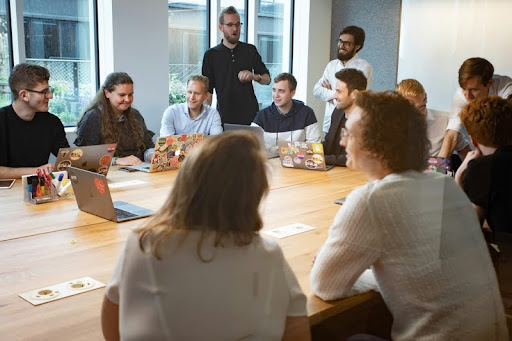
Open conversations like these help teams spot and reduce unconscious bias in everyday decisions.
Let’s face it: we all have biases. It’s part of being human. But when those hidden, automatic preferences creep into the workplace, they can quietly shape decisions in ways that hurt diversity, teamwork, and fairness. And most of the time? We don’t even realize it’s happening.
So, how can U.S. employers recognize and reduce unconscious bias at work? That’s what we’re diving into here, with clear, practical steps and approachable advice anyone can follow.
What is unconscious bias in the workplace?
Unconscious bias refers to the snap judgments or preferences we form without realizing it. They’re shaped by our background, upbringing, culture, and media exposure. In the workplace, these biases can influence how we hire, who we promote, how we give feedback, and even who we chat with at lunch.
These aren’t always negative or malicious. But they can be unfair, and they often are. Some common types include:
- Affinity bias: Favoring people who are like us
- Confirmation bias: Looking for information that supports our assumptions
- Gender bias: Making decisions influenced by someone’s gender
- Racial bias: Judging abilities or behavior based on race
And that’s just the start.
How does unconscious bias show up at work?
It shows up everywhere. Seriously. Bias can sneak into decisions big and small, from who gets hired to who gets heard in a meeting.
Hiring and recruitment: Maybe a resume with a familiar-sounding name gets more attention than one that sounds foreign. Or a hiring manager favors a candidate who shares their alma mater.
Team dynamics: Some voices are louder than others, not because they’re better, but because they’re more familiar or expected. Bias can influence whose opinions get airtime.
Performance reviews and promotions: Feedback can be skewed by assumptions. For instance, someone might describe a male employee as “confident” and a female employee with the same traits as “aggressive.”
Leadership decisions: Managers might unconsciously lean on the same small circle of people for big tasks, missing out on fresh perspectives.
Why is unconscious bias a big deal?
Because it affects everything.
When bias runs unchecked, it can:
- Lower employee morale
- Drive away top talent
- Reduce innovation by limiting diverse viewpoints
- Damage a company’s reputation
- Even opening up legal risk around discrimination claims
According to a 2021 McKinsey report, companies with diverse teams are 36% more likely to That’s not just a nice-to-have, it’s a bottom-line issue.
How can employers recognize unconscious bias?
The first step? Acknowledge it exists. From there, start asking the right questions:
- Are the same types of people getting promoted?
- Do certain resumes get passed over quickly, and why?
- Who speaks most in meetings, and who gets cut off?
Here are some tools to help bring bias into the light:
Self-awareness training: Encourage leaders and teams to explore their assumptions. Tools like the Implicit Association Test (IAT) from Harvard can offer eye-opening insights.
Structured interviews: Use consistent questions and evaluation rubrics to keep hiring fair.
HR data analysis: Track hiring, promotions, and pay gaps by demographics. Look for patterns. If you see disparities, dig into the “why.”
360-degree reviews: Get feedback from peers, subordinates, and supervisors, not just top-down.
What are the best ways to reduce unconscious bias at work?
Recognizing bias is only half the battle. To reduce it, companies need to build systems that keep it in check.
1. Offer regular training (but go beyond check-the-box sessions). Bias training should be interactive, relevant, and ongoing. One-off webinars won’t cut it. Get people talking, reflecting, and engaging.
2. Rework hiring and promotion practices. Remove identifying details from resumes where possible. Use scorecards to evaluate candidates consistently. Have diverse hiring panels to balance perspectives.
3. Write inclusive job descriptions. Avoid loaded words like “rockstar,” “dominant,” or “ninja” that might deter qualified candidates. Tools like Textio can help make language more inclusive.
4. Build a culture of accountability. Make equity part of your values and performance metrics. Recognize inclusive behaviors publicly. Set measurable DEI (Diversity, Equity, and Inclusion) goals.
5. Encourage open dialogue. Create safe spaces for employees to share experiences, raise concerns, and offer suggestions. Transparency builds trust.
How can companies create a culture that fights bias every day?
It starts at the top, and it needs to be built into everyday operations.
Lead by example. Executives and managers should model inclusive behavior. That includes listening more, interrupting less, and calling out bias when it shows up.
Make DEI a part of performance conversations. Tie inclusion to goals and performance reviews. If people know it matters, they’ll act like it matters.
Keep learning. The conversation around bias is always evolving.
outperform their less diverse peers in profitability. Stay current, stay humble, and keep improving.
Involve everyone. From interns to the C-suite, everyone has a role in making the workplace fairer. Give people tools, support, and a voice.
So what’s next?
If you’re an employer, start by looking around. What do your hiring stats say? Who’s leading meetings? Who gets promoted? These questions can reveal a lot.
The good news? You don’t have to fix everything overnight. But you do have to start. Bias may be unconscious, but the effort to fight it shouldn’t be.
FAQ: Unconscious Bias in the Workplace
What is unconscious bias in simple terms? Unconscious bias is when people make quick judgments or decisions without realizing it, often based on stereotypes or past experiences.
How does unconscious bias affect hiring? It can lead to unfair preferences for certain candidates based on gender, race, background, or even hobbies, not qualifications.
Can training reduce bias? Yes, especially when it’s interactive, ongoing, and part of a broader culture shift, not just a one-time event.
What’s one small thing I can do today to reduce bias at work? Start by reflecting on your assumptions. Who do you listen to most in meetings? Who do you overlook?Why should employers care about unconscious bias? Because it affects employee engagement, team performance, company reputation, and even profit.
About the Author