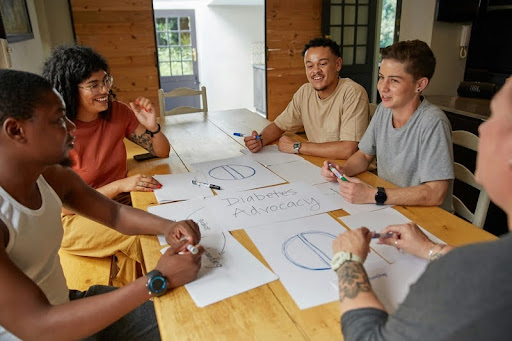
Collaboration in action—building inclusive work habits starts with thoughtful teamwork
Remote work is here to stay. Whether you’re managing a fully distributed team or offering hybrid options, one thing’s clear: inclusion can’t be an afterthought.
Building an inclusive remote work culture is one of the smartest things you can do to keep your team happy, engaged, and productive. And if you’re working with a U.S.-based team, where cultural and generational diversity runs deep, the way you approach this matters.
So, how do you make everyone feel seen, heard, and valued when you’re all working from different ZIP codes? Let’s break it down.
What does an inclusive remote work culture mean?
An inclusive remote culture means that everyone, no matter their background, feels like they belong. It’s more than just hiring diversely. It’s about making sure all voices are heard, respected, and part of the decision-making process even through a screen.
For remote teams, inclusion touches everything: how people communicate, how decisions are made, who gets recognized, and whether team members feel comfortable speaking up. When you get it right, your team feels more connected, creative, and committed.
How can I tell if my remote culture is inclusive?
Start by asking the hard questions. Who’s dominating meetings? Who stays silent? Are people showing up with their cameras on because they feel like they have to, or because they want to?
Collect anonymous feedback regularly. Use pulse surveys, open office hours, or one-on-one check-ins to find out how your team feels. If people don’t feel safe sharing honestly, that’s a sign in itself.
What’s the best way to improve communication in remote teams?
Clear, inclusive communication is everything.
Use multiple channels, like Slack, email, Zoom, and project management tools, to give people options that work for them. Encourage async communication so folks in different time zones or with different schedules aren’t left out.
Set ground rules for respectful communication. Avoid jargon, be clear with tone (emojis help), and always check in before jumping into tasks. And most importantly, listen. Listen.
How do I make virtual meetings more inclusive?
Let’s face it, Zoom fatigue is real. But meetings still matter.
To make them better for everyone:
- Share agendas ahead of time so people can prepare.
- Rotate facilitators to avoid hierarchy.
- Use features like chat, polls, and breakout rooms to invite input in different ways.
- Give people the option to participate with video off or on, don’t make it mandatory.
Also, pay attention to who’s speaking up (and who isn’t). Gently invite quieter team members to weigh in, and leave space after asking a question. Silence doesn’t mean someone has nothing to say.
How can I make sure opportunities are fair for everyone?
Remote work can unintentionally favor those who are more visible, more vocal, or simply in the same time zone as leadership. That’s why it’s critical to build systems that keep things fair.
Make performance evaluations and promotions as transparent as possible. Set clear criteria. Make sure managers are checking in with everyone, not just their “go-to” people.
Track who’s getting invited to lead projects or attend key meetings. If it’s always the same few folks, that’s a red flag. Equity takes effort.
What does flexibility have to do with inclusion?
A lot.
Inclusive remote work isn’t just about how we talk, it’s about how we work.
People have different home setups, caregiving responsibilities, and health needs. Offering flexible hours, mental health support, and asynchronous work options shows your team that you trust them to manage their time and that you value results over rigid schedules.
Also, don’t assume everyone has the same access to high-speed internet or a private home office. Consider providing stipends or equipment to help level the playing field.
How do I help my team feel connected while working remotely?
It’s tough to recreate the watercooler chat over Zoom, but not impossible.
Make space for an informal connection. That could mean:
- Virtual coffee chats or happy hours (optional, always).
- Shared Slack channels for hobbies, pets, or book clubs.
- Team rituals like shoutouts, themed days, or even GIF battles.
Just be sure to offer a mix; some people love social events, others find them draining. Inclusion means recognizing that, too.
Why is inclusive leadership training important for remote managers?
Because leadership sets the tone.
Remote managers need training on:
- Recognizing and addressing unconscious bias
- Supporting neurodiverse and disabled team members
- Navigating cross-cultural communication
- Providing inclusive feedback and coaching
Without training, it’s easy for bias to creep in unnoticed, especially when face time is limited. Managers should also model inclusive behavior: listening actively, asking thoughtful questions, and showing vulnerability.
How do I keep inclusion going over time?
Don’t treat inclusion like a one-time checklist. It’s a culture shift, and culture takes maintenance.
Keep asking questions. Keep inviting feedback. Keep tweaking your approach as your team evolves.
Measure progress using real metrics: representation across roles, engagement survey scores, retention by demographic, etc. And celebrate wins, big or small. When people see progress, they’re more likely to keep showing up.
Final Thoughts
Creating an inclusive remote work culture isn’t about being perfect, it’s about being intentional. It’s about paying attention to who’s in the (virtual) room, who’s missing, and what you can do to help everyone thrive.
Start small. Keep learning. And remember: inclusive teams aren’t just good for morale, they’re good for business.
Frequently Asked Questions (FAQ)
What is remote work culture? Remote work culture is the shared values, norms, and practices that shape how a remote team communicates, collaborates, and connects.
Why is inclusion important in remote teams? Inclusion helps ensure all team members feel valued and supported, which boosts engagement, trust, and overall team performance.
How can I improve inclusivity in remote meetings? Use clear agendas, rotate facilitators, encourage different input styles (chat, polls), and invite participation from all voices.
What tools support inclusive remote work? Tools like Slack, Zoom, Google Meet (with captions), Notion, and Trello support accessible, collaborative, and flexible work environments.
About the Author