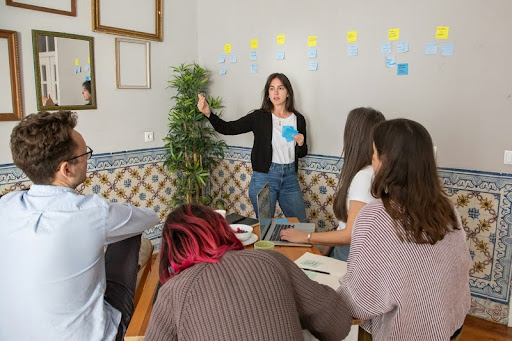
Inclusive leadership in action—fostering open dialogue and team connection.
Workplace inclusion isn’t just a trendy buzzword, it’s the foundation of a healthy, high-performing organization. But here’s the thing: creating an inclusive culture doesn’t happen by accident. It takes intention, effort, and most importantly, leadership.
So, how exactly do leaders shape inclusion in the workplace? And what does that look like in real-life American work environments?
Let’s break it down in plain terms, because inclusion shouldn’t be complicated.
What does it mean to have an inclusive culture at work?
An inclusive culture is one where everyone, regardless of race, gender, age, background, or beliefs, feels valued, respected, and like they belong.
It goes beyond simply hiring a diverse team. Inclusion is about making sure that once people are in the door, they have a voice, equal opportunity, and a safe space to thrive.
Think of it like hosting a dinner party. Diversity is sending out the invites. Inclusion is making sure everyone has a seat at the table and feels welcome to join the conversation.
In the U.S., inclusive workplaces tend to have lower turnover, stronger team collaboration, and higher employee satisfaction. That’s not just feel-good talk—it’s backed by data. According to a 2023 McKinsey report, companies with diverse leadership teams are 36% more likely to outperform competitors in profitability.
Why is leadership so important for workplace inclusion?
Because leadership sets the tone.
If the folks at the top don’t walk the talk, efforts to build an inclusive culture usually fall flat. Employees take cues from their managers and execs, whether it’s how they respond to bias, who they promote, or how they handle tough conversations.
When leaders genuinely prioritize inclusion, it becomes part of the company DNA. When they don’t? It feels like lip service. And trust us, employees can tell the difference.
How can leaders align inclusion with company values?
Inclusion isn’t a side project. It has to be baked into the company’s mission, vision, and everyday strategy.
Here’s what that looks like:
- Including inclusive goals in strategic planning
- Measuring inclusion the same way you’d track sales or customer satisfaction
- Funding programs and initiatives that support equity and belonging
If your values say you “celebrate all voices,” but only a certain kind of voice is heard in leadership meetings, there’s a disconnect.
Leaders need to bridge that gap, intentionally.
What is psychological safety, and why does it matter?
Psychological safety means people feel safe to speak up, make mistakes, or challenge ideas without fear of backlash.
Think about the last time someone interrupted you in a meeting or dismissed your idea without really listening. Did it make you want to contribute again? Probably not.
Leaders have the power to either shut people down or lift them. When they model active listening, empathy, and openness, it permits everyone to show up authentically. That’s the sweet spot where innovation thrives.
How can leaders make decisions more inclusively?
It starts with asking: Who’s at the table? And who’s missing?
Inclusive decision-making doesn’t just mean getting input from a few select people. It means intentionally including different voices, especially those that are underrepresented or often overlooked.
This could be as simple as rotating meeting facilitators, using anonymous suggestion boxes, or setting up feedback loops that go somewhere.
Also, let’s be honest, many leadership teams in the U.S. still don’t reflect the diversity of their workforce. Leaders need to take a hard look at hiring, promotion, and succession planning. Because true inclusion includes leadership pipelines, too.
What’s the best way to train leaders on inclusion?
Ongoing education. Period.
One-time DEI training doesn’t cut it. (You’ve seen those awkward 45-minute PowerPoints. You know what we’re talking about.)
Instead, leaders need regular opportunities to explore topics like:
- Unconscious bias
- Inclusive language
- Managing diverse teams
- Cultural awareness
The best programs go beyond theory and include real reflection, storytelling, and accountability. Leaders should be encouraged to ask uncomfortable questions and get feedback, not just check a box.
In a 2024 Deloitte survey, 73% of employees said they feel more engaged at work when their manager has received DEI training. That’s a big deal.
How do leaders stay accountable for inclusion goals?
Great question, because accountability is where many inclusion efforts stall.
Leaders should set clear, measurable goals. These can include:
- Representation benchmarks
- Employee engagement scores
- Retention rates across demographic groups
- Inclusion-specific KPIs in performance reviews
Transparency matters, too. Sharing progress (and setbacks) openly builds trust. It shows employees that inclusion isn’t a fad, it’s a priority.
And yes, leaders should be held to the same (or higher) standards as everyone else when it comes to inclusive behavior. That includes consequences when those standards aren’t met.
What challenges do leaders face when building inclusive cultures?
Let’s not sugarcoat it, creating an inclusive culture isn’t always smooth sailing. Leaders might face:
- Resistance to change from teams used to the “old way”
- Fear of saying the wrong thing or messing up
- Difficulty recognizing their blind spots
But the worst mistake? Doing nothing out of fear.
Inclusion is a journey. Leaders don’t have to be perfect, but they do have to be present. Owning mistakes, asking for input, and committing to growth speak volumes.
So, what does inclusive leadership look like?
At its core, inclusive leadership is about humility, curiosity, and courage. It’s about putting people first, listening more than you speak, and using your influence to open doors for others.
It might mean rethinking who you promote, how you run meetings, or how you respond when someone raises a concern. It might mean giving up some comfort for the sake of fairness.
But it’s worth it. Inclusive workplaces don’t just benefit marginalized groups, they benefit everyone.
Let’s recap: what should leaders focus on?
Here’s a quick cheat sheet for leaders who want to build a more inclusive workplace:
- Model the behavior: Your team is watching. Lead by example.
- Listen actively: Make space for all voices, not just the loudest.
- Embed inclusion into strategy: It’s not extra, it’s essential.
- Create safety: People need to feel seen, heard, and safe.
- Share power: Let go of control and invite collaboration.
- Measure and share progress: Keep inclusion visible and measurable.
- Keep learning: Growth never stops, and neither should you.
Want to start building a more inclusive culture?
Ask yourself this: What’s one thing I can do today to make someone on my team feel more included?
It doesn’t have to be huge. Sometimes, it starts with a conversation, a question, or a willingness to listen differently.
When leaders take inclusion seriously, it trickles down to every level of the organization. And that’s where real change begins.
FAQ: Leadership and Inclusion in the Workplace
What does inclusive leadership entail?
Inclusive leadership involves leading with awareness, openness, and a dedication to making sure every team member feels valued, respected, and included.
Why is inclusive leadership vital?
Inclusive leadership fosters stronger collaboration among teams, stimulates innovation, and champions equity. It also helps in attracting and keeping top talent.
How can leaders enhance inclusivity?
Leaders can enhance inclusivity by actively listening, seeking diverse perspectives, confronting biases, promoting fairness, and holding themselves accountable for inclusion objectives.
What are the essential characteristics of an inclusive leader?
Empathy, humility, cultural sensitivity, receptiveness to feedback, and a readiness to challenge existing norms are key traits of an inclusive leader.
How can inclusion in the workplace be assessed?
Common methods of assessment include employee engagement surveys, analysis of representation data, monitoring retention rates, and using inclusion-focused KPIs linked to leadership performance.
About the Author