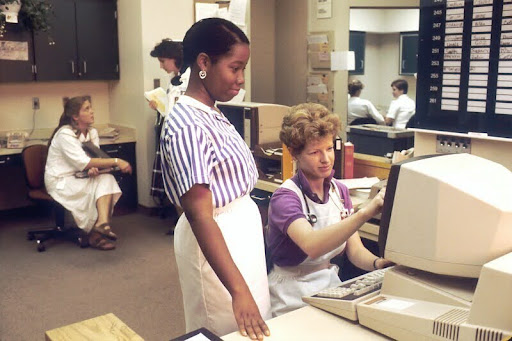
Gen Z professionals thrive in collaborative, tech-driven workspaces where ideas flow freely.
The American workplace is changing fast. And if you haven’t noticed yet, Gen Z is right in the middle of that transformation. Born between roughly 1997 and 2012, Gen Z is stepping into the workforce with fresh perspectives, bold expectations, and a very different vibe from the generations before them.
So what exactly is Gen Z doing differently? And how is that shaping where, how, and why we work? Let’s dive in.
Who Is Gen Z and Why Are They So Different?
Gen Zers grew up with smartphones in their hands, social media in their pockets, and Google as their go-to source for just about everything. They watched their parents navigate the 2008 financial crisis, lived through a global pandemic during their school years, and came of age in a world grappling with climate change, social justice movements, and rising costs of living.
All of that shaped a generation that’s super tech-savvy, socially aware, and not afraid to question the way things have always been done. They care about mental health. They value flexibility. And they’re not shy about speaking up at work.
How Does Gen Z Use Technology at Work?
One of the biggest things that sets Gen Z apart is how they use technology and how much they expect from it.
This generation grew up with FaceTime, Slack, and Google Docs. So they naturally lean toward digital tools for communicating, collaborating, and managing their time. They want fast, seamless tech that doesn’t slow them down or feel outdated. And let’s be honest, if your office is still using clunky software from the early 2000s, Gen Z is going to notice.
They’re also really comfortable learning new platforms. They expect ongoing digital transformation and innovation, not just the occasional update. If they see a better way to do something using tech, they’ll probably suggest it. Or better yet, do it themselves.
Why Is Work-Life Balance So Important to Gen Z?
For Gen Z, work is important. But it’s not everything.
Unlike past generations who may have prioritized job security or titles, Gen Z is big on boundaries. They want flexible schedules, mental health days, and the option to work remotely if it makes sense for the role. They’re not fans of the old-school 9-to-5 mentality, especially if it feels rigid or performative.
Surveys have shown that over 70% of Gen Z workers say they would consider leaving a job that doesn’t prioritize their well-being. They’re not lazy. They’re just not willing to burn out for the sake of appearances.
They want to live life and work, not live at work.
What Does Gen Z Expect from Diversity and Inclusion Efforts?
Gen Z doesn’t just appreciate diversity; they expect it.
They want to work in places where people of all backgrounds feel seen, valued, and supported. This includes race, gender, sexual orientation, neurodiversity, and more. But it’s not enough for companies to post a statement or hire a DEI officer. Gen Z wants to see real actions, not just talk.
That means diverse leadership, inclusive hiring practices, and open conversations about equity in the workplace. If companies aren’t walking the talk, Gen Z will call it out publicly, if necessary. They’re not afraid to ask tough questions or challenge outdated systems.
How Is Gen Z Redefining Career Paths and Success?
Forget the ladder. Gen Z is all about the jungle gym.
Instead of climbing a traditional corporate path, they’re more likely to jump between industries, explore side hustles, and build portfolios that reflect a wide range of skills. Career growth, for them, isn’t always linear. It’s about learning, adapting, and evolving.
They’re also big on professional development. They want access to mentorship, feedback, online courses, and opportunities to try new roles within a company. If they’re not growing, they’re probably going.
How Does Gen Z Like to Communicate at Work?
Here’s the thing: Gen Z communicates fast, often, and informally.
They prefer quick chats on Slack or Teams over formal emails. They use emojis, GIFs, and shorthand. But that doesn’t mean they’re not professional, just that they’re bringing a more casual, human tone to workplace conversations.
They also value transparency and real-time feedback. They don’t want to wait for annual reviews to hear how they’re doing. They want to know what’s working, what’s not, and how they can improve, now.
How Is Gen Z Influencing Workplace Culture and Leadership?
Gen Z is pushing leaders to be more open, empathetic, and accountable.
They expect their managers to be approachable, communicative, and willing to listen. Titles don’t impress them nearly as much as authenticity does. And they’re more likely to follow leaders who are transparent, inclusive, and aligned with their values.
This shift is changing everything from how companies hire and promote to how they handle conflict and feedback. Gen Z is setting a new tone, one that’s more collaborative, open, and values-driven.
What Are the Biggest Intergenerational Challenges?
Let’s face it: change isn’t something everyone embraces.
Older generations may find it difficult to adjust to Gen Z’s demands regarding flexibility, communication, and technology. This can lead to misunderstandings concerning work ethic, loyalty, and the necessity of in-person interactions.
However, the positive aspect is that these generational differences can contribute to stronger, more diverse teams. When organizations promote mutual respect and open communication, they can harness the strengths of each generation.
What’s the main takeaway?
Gen Z isn’t merely transforming the workplace, they’re reconstructing it.
They are advocating for advanced technology, increased flexibility, greater inclusion, and a heightened sense of purpose. With their numbers on the rise, their influence is bound to grow.
For employers, it’s crucial to pay attention now. What adjustments can you implement to cultivate a workplace where Gen Z can excel? And if you belong to Gen Z, continue to forge ahead. Your voice is already making a difference.
Questions About Gen Z and Employment
What are Gen Z’s job expectations? They seek flexibility, purpose, opportunities for growth, and a balanced work-life dynamic.
Why does Gen Z matter for the future workforce? They offer new skills, a fluency in digital tools, and a values-oriented approach that resonates with today’s issues.
How can businesses attract Gen Z talent? By providing flexible work arrangements, investing in diversity, equity, and inclusion, prioritizing mental health, and utilizing modern technological tools.
What inspires Gen Z in the workplace? A sense of purpose, opportunities for growth, immediate feedback, and a company culture that reflects their values.
What is Gen Z’s perspective on traditional corporate hierarchies?
About the Author