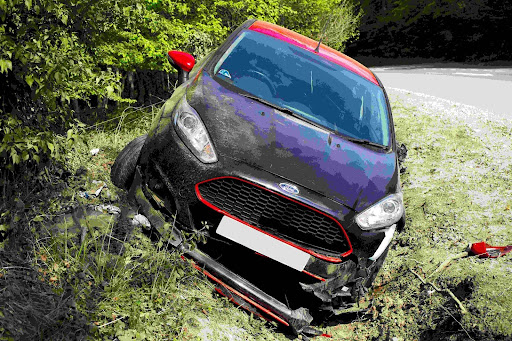
Even minor accidents can lead to major expenses—here’s why the right coverage matters.
If you’ve ever stared at car insurance options and thought, “Wait, what do I actually need?”, you’re not alone. Picking the right car insurance can feel like decoding a whole new language. Liability? Collision? Comprehensive? Personal injury protection? It’s easy to get overwhelmed.
The truth is, the type of car insurance you need depends on a bunch of things, from where you live and how much you drive, to your budget and the value of your car. This guide breaks it down in simple terms so you can make smart choices without the headache.
What Is Car Insurance, Anyway? Let’s Get the Basics Straight
Car insurance isn’t just a legal hoop to jump through. It’s a safety net that protects your wallet and your peace of mind if things go wrong on the road.
Key terms to know:
- Premium: What you pay (usually monthly or annually) for your insurance coverage.
- Deductible: The amount you pay out of pocket before insurance kicks in on a claim.
- Coverage limit: The maximum your insurer will pay for a covered claim.
Understanding these helps you figure out what you’re actually getting for your money.
What Car Insurance Coverage Is Required by Law?
Let’s start with what you absolutely need to have by law: liability insurance. Nearly every state in the U.S. requires it.
What is liability insurance?
Liability insurance covers damage or injury you cause to other people or their property. Think: if you accidentally hit another car, liability insurance helps cover their repair costs or medical bills.
Why is it mandatory? Because it protects other drivers and helps cover expenses that could otherwise come out of your pocket, or worse, lead to lawsuits.
How much liability insurance do you need? Each state sets minimum requirements, and those numbers can vary widely. For example, California requires at least $ 15,000 for injury or death of one person, $ 30,000 for injury or death of multiple people, and $ 5,000 for property damage. In Texas, the minimum is similar but with slight differences.
Always check your state’s rules; minimum coverage isn’t optional, but sometimes it’s not enough.
What Optional Coverages Should You Consider?
Now for the stuff that’s not legally required but can save you from big bills.
What is collision coverage, and do you need it?
Collision insurance pays to repair or replace your car if you’re in an accident, even if you caused it. If your car is newer or valuable, collision coverage is usually worth it.
What does comprehensive coverage cover?
This one’s for damage not caused by a crash — think theft, vandalism, hail, fire, or hitting an animal. If you park your car outside a lot or live in an area with harsh weather, comprehensive coverage can be a lifesaver.
What about personal injury protection (PIP) or medical payments coverage?
PIP helps cover medical expenses for you and your passengers after an accident, regardless of who’s at fault. It can also cover lost wages and other related costs in some states.
Why consider uninsured/underinsured motorist coverage?
Unfortunately, not everyone follows the rules. This coverage protects you if you get hit by someone without insurance or with too little insurance to cover your damages.
How Do I Choose the Right Coverage for My Situation?
Choosing insurance isn’t one-size-fits-all. Ask yourself these questions:
- How old is my car? If it’s older and worth less, skipping collision and comprehensive coverage might make sense.
- How much can I afford to pay monthly? Balancing premiums and deductibles helps manage costs without risking major losses.
- Where do I live? Urban areas might expose you to more accidents or theft, so extra coverage can be smart.
- How often and far do I drive? Frequent drivers generally benefit from broader coverage.
- What are the minimum requirements in my state? Don’t fall below these limits to avoid penalties.
What’s the Best Way to Avoid Paying for More Coverage Than You Need?
Here’s the deal: Too little insurance can leave you vulnerable, but too much coverage means you’re wasting money.
Start by evaluating your risks: Think about your car’s value, your driving habits, and your financial situation. If your car is paid off and worth only a few thousand dollars, maybe you can skip collision coverage. But if you rely heavily on your car or it’s newer, more coverage might be a smart move.
And remember, insurance isn’t forever. You can update your policy as your circumstances change. Review it yearly, or if you buy a new car, move, or your driving habits shift.
What Are Common Misconceptions About Car Insurance?
Some myths tend to trip people up:
- “The state minimum is enough.” Not usually. Minimum coverage protects others, but if you cause a serious accident, your costs could exceed your limits.
- “I don’t need uninsured motorist coverage because everyone has insurance.” Sadly, that’s not true; about 13% of drivers in the U.S. are uninsured.
- “Comprehensive and collision coverages are the same.” Nope, they cover very different types of damage.
Understanding these myths can save you from nasty surprises.
When Should You Review or Update Your Car Insurance?
Life changes, and so do your insurance needs. Consider reviewing your policy if:
- You buy a new or used car
- You move to a different state or city
- Your commute changes significantly
- You add a teenage driver to your policy
- You improve your credit score (it can affect premiums)
- Your financial situation changes
Updating your coverage can sometimes save you money or make sure you’re fully protected.
Wrapping It Up: How to Make a Smart Car Insurance Choice
To sum it up, the right car insurance is a mix of legal must-haves and smart protection based on your personal needs. Start with meeting your state’s minimum liability coverage, then decide if adding collision, comprehensive, PIP, or uninsured motorist coverage fits your lifestyle and budget.
Ask yourself: What risks am I exposed to? What can I afford if the worst happens? And don’t be afraid to shop around and compare quotes; it pays to be an informed consumer.
Frequently Asked Questions (FAQs)
Q: Can I drive legally with just liability insurance? A: Yes, in most states, liability insurance is the minimum legal requirement. But it may not cover damage to your own vehicle.
Q: Is collision coverage worth it for an older car? A: Usually not, if the cost of coverage exceeds your car’s value. You might be better off saving that money for repairs.
Q: What’s the difference between comprehensive and collision coverage? A: Collision covers accidents involving your car hitting or being hit by another vehicle or object. Comprehensive coverage covers damage from non-accident events like theft, fire, or natural disasters.
Q: How does uninsured motorist coverage protect me? A: It helps pay for your damages or medical bills if an uninsured or underinsured driver causes an accident.
Q: Can I lower my premium by increasing my deductible? A: Yes, higher deductibles generally mean lower premiums, but make sure you can afford the deductible amount if you file a claim.
About the Author