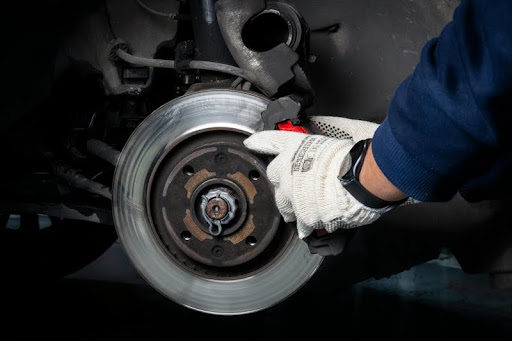
Keeping your brakes in top shape—regular maintenance in action
Let’s be real, your car’s brakes aren’t exactly the most glamorous part of driving. But when something goes wrong? You’ll wish you paid more attention. Knowing the warning signs of brake trouble isn’t just about avoiding a hefty repair bill. It’s about keeping you, your passengers, and everyone else on the road safe.
This guide breaks down everything you need to know about brake problems in plain English. No confusing jargon. No scare tactics. Just solid info you can actually use.
How Do Car Brakes Work, Anyway?
Your brake system might seem complicated, but here’s the gist: When you press the brake pedal, a whole chain reaction happens to slow your car down.
- The pedal pushes brake fluid through the brake lines.
- That fluid activates calipers, which press brake pads against the spinning rotors.
- Friction does its thing, and your wheels slow down.
Simple, right? It’s a system built on pressure, friction, and timing. And if any part of it wears out or fails, your stopping power takes a hit.
What Are the Warning Signs of Brake Problems?
There are a bunch of ways your brakes might be trying to tell you something’s off. Here are some common ones:
1. Squeaking or squealing sounds. This high-pitched noise is often the first sign your brake pads are wearing thin. Most pads have a little metal piece that makes noise on purpose to alert you.
2. Grinding when you stop. That awful grinding sound usually means your pads are gone and metal is scraping metal. Not good. Get it checked ASAP.
3. A soft or squishy brake pedal. If your pedal feels like a sponge, you could have air in the brake lines or a fluid leak. Either way, it needs attention.
4. The car pulls to one side when braking. This could mean one side of your brakes is working harder than the other, often because of a stuck caliper or uneven pad wear.
5. Vibration or wobbling when braking. Feeling the steering wheel shake when you hit the brakes? You might have warped rotors.
6. Brake warning light on the dashboard. This one’s obvious, but don’t ignore it. The light can signal a range of issues, from low fluid to serious system problems.
7. Burning smell while driving. Smell something sharp or chemical after braking? Your brakes could be overheating. That’s a serious issue.
8. Longer stopping distance. If it feels like it takes more effort or distance to stop, your brakes may be losing effectiveness.
Why Are These Symptoms Happening?
Let’s break it down further:
- Worn-out pads = squealing or grinding sounds
- Warped rotors = vibration or wobbling
- Leaky or low brake fluid = soft pedal or warning light
- Stuck caliper = pulling to one side
- Overheating = burning smell or fading brakes
Basically, every symptom is a signal. The sooner you decode it, the less chance you’ll face a full-blown brake failure (or an expensive repair bill).
When Should You Get Your Brakes Checked?
Even if you’re not hearing weird noises or noticing anything strange, it’s still smart to get your brakes inspected regularly. Here’s a rule of thumb:
- Every 10,000 to 15,000 miles: Have a tech check the brake pads.
- Every 20,000 to 30,000 miles: Inspect rotors and brake fluid.
- Immediately, if you experience any of the red-flag signs mentioned above.
Routine brake checks are often included in tire rotations or oil changes, so ask about it when you’re already at the shop.
Why Ignoring Brake Problems Can Cost You Big
Here’s the thing, brake problems don’t magically go away. They get worse over time. That squeal today could turn into metal-on-metal grinding tomorrow.
Besides the obvious safety risks, ignoring brake issues can lead to:
- Damaged rotors (much more expensive than pads)
- Caliper or master cylinder failure
- Total brake failure in extreme cases
According to the National Highway Traffic Safety Administration (NHTSA), brake-related issues are one of the top contributors to vehicle crashes in the U.S. Don’t be part of that stat.
What’s the Best Way to Keep Your Brakes in Good Shape?
A little prevention goes a long way. Here are a few habits that help your brakes last longer:
- Don’t ride the brakes: Give them a break (literally) when coasting downhill.
- Avoid hard stops when possible: Gradual braking is easier on the system.
- Lighten the load: Heavier vehicles take more braking force.
- Pay attention to changes: Sound, feel, or response. If something seems off, it probably is.
- Get regular service: Even if nothing seems wrong, inspections can catch small issues early.
How Much Do Brake Repairs Cost in the U.S.?
Costs can vary based on where you live, the type of vehicle, and what exactly needs fixing. Here’s a ballpark idea:
- Brake pad replacement: $150 to $300 per axle
- Rotor replacement: $200 to $400 per axle
- Full brake job (pads, rotors, fluid): $500 to $800+
Delaying repairs can double those numbers. So yeah, early action is usually cheaper.
Think Your Brakes Might Be Failing? Don’t Wait.
If you’re feeling unsure after reading this, that’s a sign to trust your gut.
- Brakes are not something you want to gamble with. Schedule a quick checkup, even if it turns out to be nothing. It’s better to be safe than sorry.
Need help figuring out if it’s time for a brake inspection? Ask your local mechanic or check your car manual for service intervals. And next time you hit the road, take a moment to really feel how your brakes respond. They might be trying to tell you something.
Brake Problems FAQ
Q: How often should I replace brake pads? A: Most brake pads last between 30,000 to 70,000 miles, depending on driving habits and vehicle type.
Q: What does it mean if my car shakes when I brake? A: It usually points to warped rotors or uneven brake pad wear.
Q: Can I drive with a brake warning light on? A: It’s not recommended. The light could indicate a serious issue, like low fluid or system failure.
Q: What causes brakes to squeak even if they’re new? A: Moisture, dust, or installation issues can cause new brakes to squeak temporarily.
Q: Is it safe to replace brake pads yourself? A: Only if you’re comfortable with car repairs and have the right tools. Otherwise, leave it to a pro.
Final Thought
Your brakes are one of the most important safety systems in your car. Don’t ignore the signs. Stay alert, act early, and take care of your vehicle, and it’ll take care of you right back.
About the Author