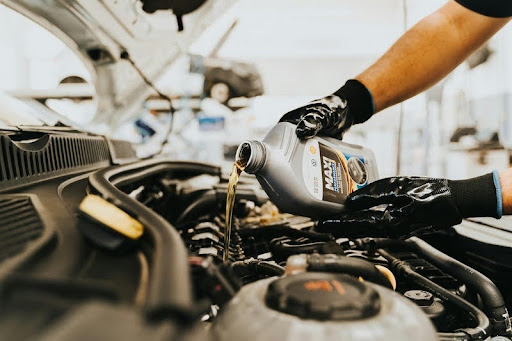
Keeping your engine healthy starts with regular oil changes—don’t skip this simple step.
Let’s be honest. Engine oil probably isn’t the most exciting topic out there. But if you want to keep your car running smoothly and avoid costly repairs, it’s one of those things you can’t afford to ignore. The tricky part? Everyone seems to have a different answer to how often you should change it. Every 3,000 miles? Every 6 months? Once a year?
So, what’s the real story?
In this post, we’re breaking it all down in plain English, no confusing jargon, no outdated myths. Just practical info that helps you figure out what works best for your car and your life.
Why Do You Even Need to Change Your Engine Oil?
Simple answer: Engine oil keeps your car’s engine healthy.
It lubricates all the moving parts so they don’t grind together and wear out. It also cools the engine, reduces friction, and traps dirt and debris. Over time, oil gets dirty and breaks down, which makes it less effective.
Neglecting oil changes can lead to engine sludge, lower fuel efficiency, and even full-blown engine failure. Not fun, right? Keeping up with oil changes is one of the easiest ways to extend your car’s life.
Is the 3,000-Mile Rule Still a Thing?
Not really.
That old rule comes from a time when most cars used conventional oil and engine tech wasn’t what it is today. These days, many modern vehicles and synthetic oils can go 5,000, 7,500, or even 10,000 miles between oil changes.
Manufacturers have also gotten better at designing engines that stay cleaner and more efficient for longer periods. So while 3,000 miles might still work for some older cars, it’s no longer the gold standard.
What Actually Affects How Often You Should Change Oil?
There’s no one-size-fits-all rule because it depends on several key factors:
- Oil Type: Synthetic oil lasts longer than conventional oil. It holds up better under extreme temperatures and driving conditions.
- Driving Habits: Do you mostly drive on highways or are you stuck in stop-and-go traffic every day? Short trips, idling, and frequent braking wear out oil faster.
- Climate: Extreme heat or cold can also shorten oil life.
- Vehicle Age: Older engines might burn oil or have buildup that requires more frequent changes.
- Manufacturer Recommendations: Always check your owner’s manual. It tells you what’s best for your specific engine.
Bottom line? Your driving style and conditions matter just as much as the oil itself.
How Can You Tell When It’s Time for an Oil Change?
You don’t have to guess.
There are several clues your car gives when it’s ready:
- Dashboard Light: Most modern cars have an oil light or maintenance alert.
- Mileage/Time: Many manufacturers suggest every 5,000 to 7,500 miles or every 6-12 months.
- Oil Appearance: Fresh oil is amber and smooth. Dirty oil is darker and thicker.
- Engine Noise: A louder engine or knocking sounds can be a red flag.
- Performance Drop: Poor fuel economy or sluggish acceleration might signal it’s time.
When in doubt, check your dipstick. If the oil looks dirty or low, it’s probably time.
What Is an Oil Life Monitoring System?
Many newer vehicles now come with an oil life monitoring system (OLMS). This smart system uses sensors and software to estimate oil condition based on your driving.
It’s more accurate than a mileage guess because it considers real-time factors like engine temperature, trip length, and load. When the oil life hits a certain percentage (usually around 15%), you’ll get a dashboard alert.
It’s a good idea to follow these alerts. They’re there to help you avoid changing oil too early or too late.
Can You Change Oil Too Often?
Believe it or not, yes.
Changing oil more often than needed won’t hurt your engine, but it’s wasteful, both in terms of money and environmental impact. Plus, too many oil changes over time can wear out the drain plugs or strip the threads.
Stick to what your manual or oil monitor tells you. No need to overdo it.
What Happens If You Don’t Change Your Oil?
Skipping oil changes can lead to:
- Engine Sludge: Thick, dirty oil turns into sludge that clogs passages.
- Overheating: Without proper lubrication, your engine can overheat.
- Wear and Tear: Friction increases, and metal grinds against metal.
- Lower Resale Value: Spotty maintenance history can hurt trade-in value.
- Full Engine Failure: Worst-case scenario, a complete engine replacement.
It’s just not worth the risk. Regular oil changes are a simple form of preventive care.
Best Way to Keep Up With Oil Changes?
Make it part of your regular routine:
- Set Reminders: Use your phone or a calendar app.
- Track It: Keep a small log in your glove box or use a car maintenance app.
- Use Quality Oil: Always match your engine’s needs.
- Get a Pro Opinion: If you’re unsure, ask your mechanic. They’ll look at your oil and give honest advice.
Pro tip: Combine oil changes with tire rotations or seasonal checkups to knock out multiple tasks at once.
Final Thoughts: So, How Often Should You Change Engine Oil?
There’s no universal answer.
For most modern cars using synthetic oil, every 7,500 to 10,000 miles (or roughly once a year) is a good rule of thumb.
But your exact schedule should be based on how you drive, your car’s age, and what the manual says. Trust your car’s systems, stay alert to signs, and don’t get caught up in old myths.
Taking care of your engine oil is one of the easiest ways to avoid expensive problems later.
FAQs: How Often to Change Your Engine Oil
How often should I change the oil with synthetic oil? Every 7,500 to 10,000 miles is typical, but check your owner’s manual for specifics.
Is it OK to go a year without an oil change? If you don’t drive much and use synthetic oil, once a year may be fine. Just check your oil regularly.
What if I go over my oil change interval by a few hundred miles? It’s usually not a big deal, but don’t make it a habit. Try to stay consistent.
Does city driving require more frequent oil changes? Yes, stop-and-go traffic, short trips, and idling can wear oil out faster.
Can I change oil myself? Yes, if you have the tools and know-how. Just be sure to use the right oil and dispose of the old stuff properly.
About the Author