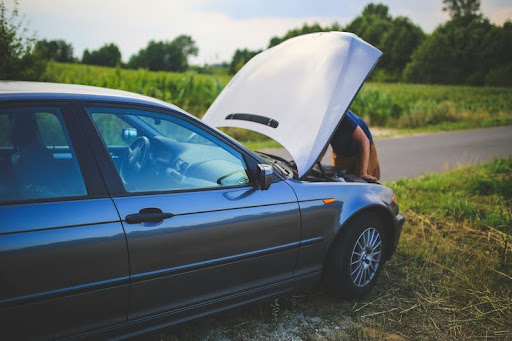
Taking action before it’s too late—spotting the warning signs can keep you off the side of the road.
Your car’s trying to tell you something. Are you listening?
We get it, life gets busy. You’ve got places to be, errands to run, maybe a road trip on the horizon. The last thing you want is to be stuck on the side of the highway with steam pouring from under the hood. That’s why knowing the warning signs your car needs immediate attention is more than just smart, it could save your wallet, your schedule, and even your safety.
In this guide, we’ll walk through the top 10 signs your car is in trouble and what they could mean. Let’s get into it.
1. Hearing Strange Noises While Driving?
Unusual sounds are often your car’s way of waving a red flag.
If you hear grinding, squealing, knocking, or clicking noises when you start the engine, press the brakes, or turn the wheel, that’s not normal. Grinding sounds might point to worn brake pads. Squealing could mean loose belts or a failing alternator. Knocking? That’s often a sign of engine trouble you don’t want to mess around with.
Bottom line: If your car starts sounding like a one-man band, get it checked out.
2. Why Are My Dashboard Warning Lights On?
Those little icons are more than decoration; they’re warning you.
If a light like the check engine, oil pressure, battery, or ABS stays on (or flashes), don’t ignore it. Modern vehicles use these sensors to alert you to problems before they snowball. A flashing check engine light, for instance, could mean a misfire that may damage your catalytic converter, an expensive fix.
Best move? Look it up in your manual and get a mechanic to scan the codes.
3. What If I See Smoke or Steam From My Engine?
Pull over. Immediately.
Smoke or steam coming from under the hood usually means the engine is overheating. That could be due to low coolant, a broken radiator, or a failed water pump. If you keep driving, you risk major engine damage, and those repairs don’t come cheap.
If your temperature gauge spikes or you smell something sweet (coolant) or burnt, stop the car, let it cool down, and call for help.
4. Noticing Fluid Leaking Under the Car?
Leaks are never a good sign.
A few drops of water from the A/C system? Totally normal. But dark brown (oil), reddish (transmission fluid), or green/yellow (coolant) puddles? That’s trouble.
Your car relies on these fluids to run smoothly. Losing them can lead to breakdowns or internal damage. Keep an eye on your driveway and act fast if something looks off.
5. Brakes Feeling Off?
Trust your instincts, brakes should feel responsive and smooth.
If your brake pedal feels soft or spongy, or you hear squeaks and grinding when stopping, it could mean worn brake pads, air in the brake lines, or even a fluid leak. Delayed stopping distances are a huge safety issue.
This isn’t something to wait on. Brake problems can escalate fast.
6. Is Your Steering Acting Weird?
Steering issues aren’t just annoying, they’re dangerous.
If the wheel feels loose, vibrates at certain speeds, or pulls to one side, it might be alignment, suspension, or tire pressure issues. Any change in how your car handles is worth taking seriously.
Harder steering or clunking sounds when turning? That could be your power steering or tie rods.
7. Smell Something Burning?
Don’t ignore strange odors.
A burning rubber smell might be a slipping belt. A burnt oil smell could mean a leak. An electrical burning scent? That might point to wiring issues.
Your nose knows. If you notice any new or foul smells while driving, it’s time to investigate before something shorts out or overheats.
8. Why Is My Engine Running Rough?
If your car starts stalling, shaking, or losing power, it’s time to listen.
Rough idling, sluggish acceleration, or frequent stalling can indicate problems with spark plugs, sensors, or fuel delivery systems. These issues can affect gas mileage and eventually lead to breakdowns if ignored.
Don’t wait for it to get worse. Diagnosing early is always cheaper than fixing late.
9. Can Transmission Problems Be Caught Early?
Yes, if you know the signs.
Slipping gears, delayed acceleration, and loud clunks when shifting are all red flags. Transmission repairs are notoriously expensive, so the sooner you address any warning signs, the better.
Also, keep an eye out for red or brown puddles under your car, which could be transmission fluid leaking.
10. Seeing Too Much Exhaust Smoke?
The color of your exhaust smoke says a lot.
Blue smoke? Burning oil. White smoke? Coolant might be leaking into the engine. Black smoke? You could be burning too much fuel.
Excessive smoke, especially when paired with weird smells or poor performance, is always a reason to check under the hood.
Final Thoughts: Don’t Wait for a Breakdown
Ignoring early signs almost always makes things worse.
Catching these problems early can save you hundreds (or thousands) of dollars in repairs and keep you safer on the road. It’s not about being a car expert, just paying attention when something feels off.
So next time your car groans, squeals, or smokes, don’t just turn up the radio. Listen.
Frequently Asked Questions (FAQ)
What are the most common car warning signs? Noises, dashboard lights, leaks, smoke, brake issues, and steering problems are some of the most common indicators your car needs attention.
Is it safe to drive with the check engine light on? If it’s solid and your car feels normal, it might be safe temporarily. If it’s flashing, pull over and get help; that signals a serious problem.
What should I do if my brakes are making noise? Have them inspected immediately. Squealing or grinding can indicate worn-out pads or more serious brake system issues.
How often should I check for fluid leaks? Look under your car every few weeks or after long drives. Spotting leaks early can prevent bigger issues.
Can I prevent car breakdowns by catching warning signs early? Absolutely. Addressing small problems before they grow is one of the best ways to avoid unexpected breakdowns and high repair costs.
Got a weird sound or mystery leak happening right now? Don’t wait. Schedule a check-up with your local mechanic or auto shop and drive with peace of mind.
About the Author