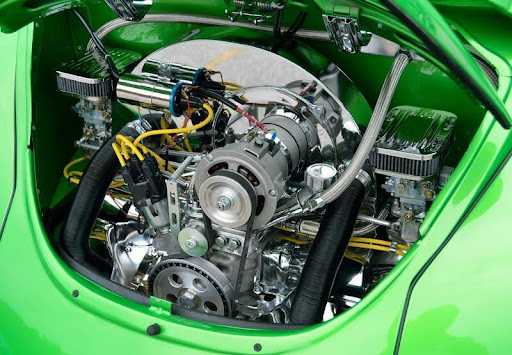
A quick engine check can help spot issues before they turn into costly repairs.
Let’s be honest, most of us don’t think much about car maintenance until something goes wrong. Maybe it’s a weird noise, a dashboard light, or worse… the car just won’t start.
But here’s the thing: a little planning goes a long way.
Preventive maintenance isn’t about being a car expert or spending your weekends under the hood. It’s about keeping your car running smoothly, avoiding expensive repairs, and making sure you’re not left stranded on the side of the road.
So, how do you build a car maintenance schedule that’s simple, realistic, and easy to stick to?
Let’s break it down together.
What is Preventive Car Maintenance and Why Should You Care?
Preventive maintenance is all about staying ahead of problems. Instead of reacting to car issues after they happen, you’re doing the basic upkeep needed to prevent them in the first place.
Why does that matter?
Because routine maintenance can:
- Extend the life of your vehicle
- Improve fuel efficiency
- Boost safety
- Save you a ton of money long term
AAA estimates that neglecting vehicle maintenance costs U.S. drivers an average of $ 200 a year in avoidable repairs. Yikes.
The good news? You don’t have to overhaul your lifestyle to make this work. You just need a schedule that fits your car and your routine.
How Do I Know What My Car Needs?
Start with your owner’s manual. Seriously, it’s more helpful than you think.
That little book (usually buried in your glovebox) outlines exactly what your specific make and model needs and when. Oil changes, filter replacements, brake checks, fluid levels, it’s all in there, organized by mileage or time.
And if your manual’s MIA? Just Google “[your car make and model] owner’s manual PDF.” Most manufacturers post them online for free.
Here’s what to look for:
- Maintenance intervals (like every 5,000 or 10,000 miles)
- The type of fluids your car takes
- Timing for things like tire rotation or brake inspections
- Special notes based on climate or driving conditions
Not every car is the same. If you drive in extreme weather (hot or cold), sit in stop-and-go traffic, or haul heavy loads, your needs might be a bit more intense than average.
What Are the Most Common Car Maintenance Intervals?
Let’s talk timing. One of the biggest questions people ask is:
“How often should I get my car serviced?”
There’s no one-size-fits-all answer, but here’s a general guide:
Every Month
- Check tire pressure and tread depth
- Inspect lights (headlights, brake lights, signals)
- Top off the windshield washer fluid
Every 3,000–5,000 Miles
- Oil and oil filter change (especially for older cars)
- Inspect belts, hoses, and fluid levels
Every 6 Months or 6,000–7,500 Miles
- Rotate tires
- Check the battery and cables
- Replace air filter (depending on the environment)
Annually or 12,000–15,000 Miles
- Replace the cabin air filter
- Inspect suspension and steering components
- Flush and replace brake fluid if needed
Every 30,000+ Miles
- Transmission fluid check
- Spark plug replacement
- Fuel filter change
Remember, newer vehicles often have longer service intervals, especially if you’re using synthetic oil. Your owner’s manual is the best guide here.
What Are the Main Car Parts I Should Include in My Schedule?
Creating a schedule is easier when you organize tasks by system. Think of your car in categories:
1. Engine and Oil System
- Regular oil changes are non-negotiable.
- Replace oil filters and check for leaks.
2. Tires and Brakes
- Rotate tires every 6,000 miles to avoid uneven wear.
- Check the tread and air pressure monthly.
- Inspect brake pads and fluid every 10,000–15,000 miles.
3. Fluids and Filters
- Transmission fluid, coolant, brake fluid, and power steering fluid all need checking.
- Air and cabin filters should be swapped every 12,000–20,000 miles.
4. Battery, Belts, and Hoses
- Look for fraying belts or cracking hoses during oil changes.
- Test your battery yearly, especially before winter.
5. Lights, Wipers, and Electronics
- Replace wiper blades every 6–12 months.
- Test headlights and brake lights monthly.
- Make sure dashboard warning lights aren’t ignored.
6. Interior and Exterior Care
- Vacuum the inside and wipe down surfaces.
- Wash and wax the exterior every few months to protect the paint and prevent rust.
By organizing your checklist like this, nothing slips through the cracks.
How Can I Create a Simple Preventive Maintenance Calendar?
Here’s the fun part: turning all this info into something you’ll use.
Step 1: Choose a format
Use whatever system makes sense for you:
- Google Calendar (set recurring reminders)
- Phone apps (like myCARFAX, Drivvo, or Simply Auto)
- Good old-fashioned paper chart or spreadsheet
Step 2: Set up time and mileage reminders
Let’s say you drive 1,000 miles a month. That means every 5 months, you should be due for an oil change. Build that into your calendar.
Step 3: Keep records
Track what you’ve done and when.
It’s super helpful if you ever sell the car, and it saves you from repeating work or missing something big.
Even a sticky note in your glovebox with dates works. The key is consistency, not perfection.
What Car Maintenance Can I Do Myself?
You don’t have to be a mechanic to handle some basic tasks. If you’ve got 20 minutes and a YouTube tutorial, you can likely do:
- Oil checks and top-offs
- Replacing windshield wipers
- Swapping out air filters
- Checking tire pressure
- Changing light bulbs
For more complex stuff, like brake work or transmission fluid, leave that to a trusted mechanic. It’s not just about skill; it’s also about having the right tools and safety equipment.
How Do I Build Maintenance Into My Routine?
This part trips people up. Life gets busy, so car maintenance slides down the priority list.
But here’s a hack: tie it to something you already do.
Getting your car inspected? Rotate the tires, too. Changing seasons? Check fluids and swap wipers. Hitting a mileage milestone? Knock out two maintenance tasks at once.
You could even use major holidays as reminders:
- New Year = new air filters
- Fourth of July = tire check
- Thanksgiving = battery test before winter
Find a rhythm that works for you. The goal isn’t to be perfect. It’s to keep your car in good shape without stress.
Should I Adjust the Schedule as My Car Gets Older?
Yes, absolutely.
Older cars have more wear, which means you may need to step things up.
If your car’s pushing 100,000 miles or more:
- Monitor oil levels more closely
- Check belts, hoses, and the timing chain regularly
- Look out for leaks or rough starts
You don’t need to obsess over every rattle, but if something feels off, don’t wait. A small issue can turn into a costly repair if ignored for too long.
Final Thoughts: A Little Maintenance Goes a Long Way
You don’t need to be a car guru. You just need a plan.
A solid preventive maintenance schedule:
- Helps you avoid breakdowns
- Keeps your car running longer
- Saves money in the long run
So grab that calendar, set some reminders, and start small. Even a few well-timed maintenance tasks can make a huge difference.
And remember, your future self will thank you when you’re cruising down the highway without a care in the world.
FAQ: Preventive Car Maintenance (Schema-Ready)
What is preventive maintenance on a car?
Preventive maintenance is the regular, scheduled upkeep of a vehicle to prevent breakdowns and extend its lifespan. It includes oil changes, fluid checks, tire rotations, and more.
How often should I rotate my tires?
Most experts recommend rotating your tires every 6,000 to 8,000 miles to promote even wear and improve handling.
What happens if I skip car maintenance?
Skipping maintenance can lead to costly repairs, reduced performance, poor fuel economy, and even safety risks like brake failure or engine damage.
Can I do preventive maintenance myself?
Yes! Basic tasks like checking oil, topping off fluids, replacing filters, and changing wipers are manageable for most drivers with a little guidance.
What’s the best way to track car maintenance?
Use a calendar app, a car maintenance tracking app, or a paper checklist. Consistency is more important than the tool you use.
About the Author