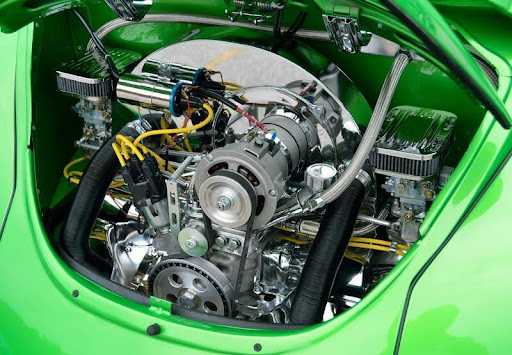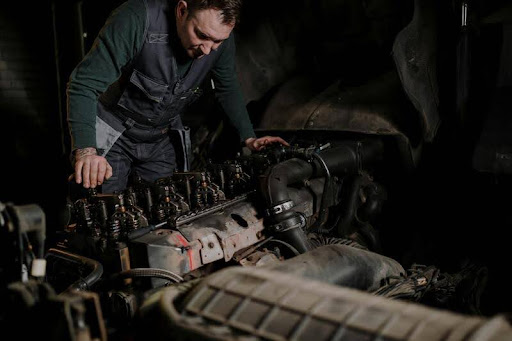
Even minor engine issues can lead to major problems—catch them early with regular maintenance.
Let’s be real for a second: nobody likes spending money on car repairs. Whether it’s a funky sound coming from under the hood or a dashboard light that just won’t quit, it’s tempting to put it off and hope for the best. After all, if the car still runs, how bad can it be, right?
Well… maybe worse than you think.
In this post, we’re breaking down the hidden costs of delaying car repairs. Not just the money (though, spoiler alert: it adds up), but the safety issues, long-term damage, and unexpected stress that come with waiting too long to fix a problem. If you’ve ever wondered, “Is it really that bad to wait?”, this one’s for you.
What happens if you ignore small car problems?
Short answer? They usually don’t stay small.
That little squeal when you brake or the check engine light that flickers on during your commute might seem harmless, but they’re often early warning signs. Cars have a way of telling you when something’s not quite right. Ignore those signals, and you could be setting yourself up for bigger (and more expensive) problems down the road.
For example, a simple fluid leak could lead to overheating. A worn-out brake pad could eventually damage your rotors. And that weird noise you keep hearing? It could signal something much more serious under the surface.
How much does it really cost to delay a repair?
Delaying repairs can hit your wallet hard. What might’ve been a $100 fix today could balloon into a $1,000 repair next month.
According to AAA, drivers who postpone maintenance spend an average of $1,200 more per year than those who keep up with regular service. And that doesn’t even factor in the extra costs from roadside emergencies, towing, or missed work if your car suddenly breaks down.
And let’s not forget gas mileage. Faulty oxygen sensors or under-inflated tires can cause poor fuel economy, meaning you’re burning more gas for fewer miles. Translation: more trips to the pump and more money down the drain.
Can delaying car repairs make your car unsafe?
Absolutely. Some of the most dangerous issues start out small.
Think about your brakes. They’re literally what stands between you and a crash. If you hear squeaking or grinding and put off repairs, you’re increasing your risk of brake failure. The same goes for steering and suspension problems, worn tires, or engine issues that can cause your car to stall.
Even something like dim headlights or a broken tail light can reduce visibility and raise your risk of getting into an accident, especially at night.
Driving a car with known issues isn’t just risky for you; it’s risky for everyone else on the road, too.
What are the long-term effects on your vehicle?
Letting problems sit can seriously cut your car’s lifespan.
Cars are built to last, but only if you take care of them. If you neglect repairs, parts wear out faster, systems fail sooner, and your car starts aging prematurely. Over time, this means more frequent breakdowns, more visits to the shop, and ultimately a car that just doesn’t last as long as it could have.
Regular maintenance helps your engine run smoothly, keeps systems in check, and protects your investment. Skip that, and you’re basically shortening your car’s career.
Will putting off repairs hurt your resale value?
Yes, and probably more than you think.
If you ever plan to trade in or sell your vehicle, a history of delayed maintenance can drop its value quickly. Dealerships and private buyers look for service records. If they see a spotty repair history or signs of neglect, they’re likely to offer much less, or walk away altogether.
Plus, issues that were never fixed may show up during a pre-sale inspection, giving buyers more bargaining power or reasons to bail.
Can delaying repairs void your warranty or impact insurance?
In many cases, yes.
Most car warranties require that you stick to the manufacturer’s maintenance schedule. Skip a few oil changes or ignore a recommended service, and you might find your warranty claim denied when something breaks.
Insurance can get tricky, too. If your car causes an accident because of a known issue you didn’t fix, your insurer might reduce your payout or even deny the claim, depending on the circumstances.
It’s always safer (and smarter) to keep up with the basics.
What about the emotional and lifestyle costs?
Repairs aren’t just about money.
If your car breaks down at the worst possible time (which it usually does), the stress can be overwhelming. You’re stuck waiting for a tow truck, missing work, rescheduling appointments, and suddenly your whole day is out of whack.
And let’s be honest, no one wants to deal with the anxiety of wondering, Is today the day my car won’t start?
By taking care of things early, you’re buying peace of mind. And that, honestly, is priceless.
Why routine maintenance is always worth it
Because prevention is way cheaper than a cure.
Regular oil changes, brake checks, tire rotations, and other routine services cost a fraction of what major repairs do.
Not only that, but they help you catch issues early, when they’re easier (and cheaper) to fix.
It’s like going to the doctor for a check-up instead of waiting until you need surgery.
You don’t need to know everything about cars to stay on top of things. Just follow the service schedule in your owner’s manual, pay attention to warning lights and weird noises, and don’t hesitate to get something checked out if it feels off.
Final thoughts: Don’t wait until it’s too late
Delaying car repairs might feel like a way to save money in the moment, but more often than not, it leads to bigger bills, safety concerns, and unnecessary headaches.
So next time you’re tempted to put off a repair, think about the long game. Is the short-term convenience really worth the risk?
Your future self and your wallet will thank you for taking care of it now.
FAQ: Common Questions About Delaying Car Repairs
Is it OK to drive with a check engine light on? It depends. If it’s flashing, that usually means a serious issue; stop driving and get it checked ASAP. If it’s steady, it’s still important to diagnose it soon.
How long can I wait to fix my brakes? If you hear grinding or squealing, get them checked right away. Waiting too long can damage other parts and reduce stopping power.
What’s the most expensive repair caused by neglect? Engine failure, transmission damage, and brake system repairs are among the most expensive issues that often start with delayed maintenance.
Can ignoring small repairs affect fuel economy? Yes. Bad sensors, under-inflated tires, and dirty filters can all reduce fuel efficiency and cost you more at the pump.
Is regular maintenance really necessary on newer cars? Yes! Even new cars need regular service to stay in top shape and keep the warranty valid.
Need a nudge to schedule that overdue service? This is it. Take care of your car now, so it takes care of you later.
About the Author