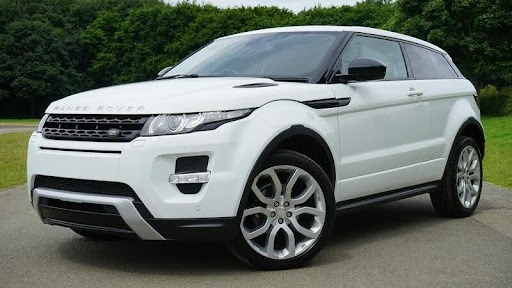
A sleek white Range Rover SUV cruising the open road—where power meets luxury.
So, you’re in the market for a new ride. Something with space, comfort, and a little extra muscle. Maybe something that can handle road trips, soccer practice, and the occasional home improvement store haul. But now you’re stuck on one big question: Should you get an SUV or a crossover?
You’re not alone. These two vehicle types get lumped together all the time, but they’re not the same, and picking the right one could make a big difference in how happy you are with your choice. Let’s break it down in simple, no-fluff terms so you can make the best call for your lifestyle.
What’s the difference between an SUV and a crossover?
The main difference comes down to how they’re built.
- SUVs are built on a truck chassis using what’s called a body-on-frame design. The body and the frame are two separate pieces.
- Crossovers, on the other hand, use a unibody construction, meaning the body and frame are one single structure.
Why does that matter? Because it impacts everything from ride comfort to towing power.
Why does the build type matter?
A body-on-frame SUV is typically stronger and better suited for rugged conditions. Think towing, hauling, and off-roading.
A unibody crossover, meanwhile, offers a smoother, more car-like ride. It’s lighter, which usually means better fuel economy and easier handling, especially in city traffic.
So, ask yourself: Do you want a beast that can tow a trailer, or a smooth operator for daily commutes?
Which is better for towing and power?
If towing is a must-have for you, SUVs usually win this round. Their sturdy frame gives them the edge for pulling boats, campers, or heavy gear.
Crossovers can still tow, some up to 3,500 pounds or more, but they’re generally better for lighter loads.
Bottom line: Go SUV for power; choose a crossover if towing isn’t your top priority.
What about fuel efficiency?
This one’s easy: Crossovers are usually more fuel-efficient.
Because they’re built more like cars, they don’t guzzle gas the way larger SUVs can. Many newer crossovers even offer hybrid options, giving you better mileage without sacrificing space.
In a world of rising gas prices, that can be a huge win for your wallet.
How do they compare in comfort and handling?
Here’s where crossovers shine. They tend to drive more like sedans, with smoother handling and a quieter cabin. If you’re doing a lot of city or highway driving, that could make your daily drive a lot more enjoyable.
SUVs have a higher center of gravity and a heavier build, which can sometimes feel less nimble. But that doesn’t mean they’re uncomfortable, many are plenty plush inside. They just drive more like trucks, which they technically are.
Which one gives you more space?
You might think bigger always means better, but it depends on what kind of space you need.
- SUVs tend to offer more cargo room and seating capacity, especially if you need a third row.
- Crossovers can still be roomy, with smart layouts and fold-flat seats that maximize usable space.
Think about this: Are you hauling gear and groceries or moving half a soccer team every weekend? Your answer will steer you in the right direction.
Are crossovers or SUVs safer?
Both are safe, but there are trade-offs.
Crossovers, with their lower profile and unibody construction, tend to do well in crash tests and often come packed with modern driver-assist tech.
SUVs are big and sturdy, which can help in certain collisions, but that higher center of gravity also increases rollover risk.
Pro tip: No matter what you choose, look for features like blind-spot monitoring, forward collision warning, and adaptive cruise control.
Which costs more in the long run?
Here’s where things get real.
- Upfront cost: SUVs are generally more expensive than crossovers.
- Fuel and insurance: Crossovers tend to be cheaper to fuel and insure.
- Maintenance: SUVs may cost more to maintain, especially if you do a lot of heavy driving or off-roading.
Also, think about resale value. Some larger SUVs hold value better, but that varies widely by model and mileage.
What’s the best option for families?
If you’re juggling kids, car seats, and backpacks, space and comfort are key. Many crossovers now offer third-row seating, but it can be tight. Full-size SUVs are usually more spacious and easier to configure for multiple passengers.
Still, don’t count out crossovers. They often have lower step-in heights, which can be a big deal for little ones (and tired parents). And again, they’re easier on gas.
So the question becomes: Do you need max space, or just smart space?
Should you buy an SUV or a crossover?
There’s no one-size-fits-all answer, but here’s a quick guide:
- Go with an SUV if:
- You need serious towing power
- You plan to go off-road
- You want maximum space and a rugged build
- Choose a crossover if:
- You drive mostly in town or on highways
- You want better fuel efficiency
- You prefer a smoother, easier ride
Take a minute to picture how you’ll use the vehicle week to week.
Grocery runs? Road trips? Towing a trailer? The answer’s in the details.
Final thoughts: It’s all about your lifestyle
At the end of the day, it comes down to what fits your world. Are you hauling gear or just groceries? Do you want muscle or mileage?
SUVs are still the kings of rugged power, but crossovers are quickly taking the crown when it comes to comfort, efficiency, and family-friendly features.
Whichever way you lean, make sure to test drive a few options. See how they feel. Sit in the back seat. Open the trunk. Try parking it. A little hands-on time can make a huge difference.
FAQs: SUV vs. Crossover
What is the main difference between a crossover and an SUV? The biggest difference is in construction: SUVs use body-on-frame (like trucks), while crossovers use unibody (like cars).
Which is safer: an SUV or a crossover? Both offer strong safety features, but crossovers generally have better handling and lower rollover risk.
Are crossovers good in snow? Yes, many crossovers offer all-wheel drive and handle well in snowy or wet conditions.
Do crossovers have less space than SUVs? Generally, yes. SUVs usually have more cargo and passenger room, but many crossovers are surprisingly spacious.
Is a crossover cheaper than an SUV? In most cases, yes. Crossovers usually cost less to buy, insure, and fuel.
Still undecided? Visit a dealership and take both for a spin. Feeling the difference firsthand is the best way to know what’s right for you.
Ready to find your next ride? Start comparing models, check out deals in your area, and drive away with confidence.
About the Author