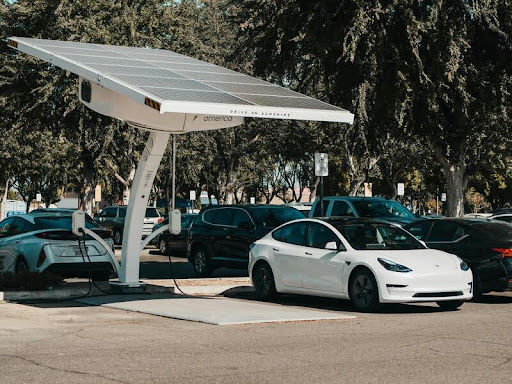
Charging up for the future—EVs refuel at a growing network of fast-charging stations across the U.S.
Thinking about switching to an electric car in 2025? You’re not alone. With EVs (electric vehicles) getting more affordable, driving farther on a single charge, and offering better reliability than ever before, they’re no longer a futuristic dream. They’re the new normal.
But with all the buzz, it’s easy to feel overwhelmed by choices. What’s worth your money? How do you balance price, range, and dependability without second-guessing yourself down the road?
Let’s break it down together.
Why Are Electric Cars So Popular in 2025?
Because they just make more sense now, for your wallet and the planet.
Electric cars have come a long way. According to the U.S. Department of Energy, over 2.5 million EVs are expected on American roads by the end of 2025. That number keeps climbing as drivers look for ways to cut fuel costs and reduce emissions. Plus, with more fast-charging stations and longer-lasting batteries, going electric doesn’t mean giving up convenience.
Another big reason? Incentives. Many states still offer rebates or tax credits that help offset the cost of a new EV. Combine that with low maintenance and fuel savings, and the value adds up fast.
What Should You Look for in an Electric Car?
Here’s what matters most when shopping for an EV in 2025: affordability, range, and reliability.
- Affordability: Price tags are dropping, especially with more competition in the market. But affordability isn’t just the sticker price. Factor in things like federal or state EV credits, the cost to install a home charger, and the money you’ll save on gas and oil changes.
- Range: A car’s range is how far it can travel on a full charge. These days, most electric cars easily exceed 250 miles, some go much further. That’s more than enough for daily commutes and even weekend getaways.
- Reliability: People used to worry about EVs being experimental. Not anymore. Modern electric drivetrains are simpler than gas engines and have fewer moving parts, which means fewer things that can break. Plus, battery warranties are typically 8 years or more.
Want tech? Most EVs come packed with features like regenerative braking, advanced driver assistance, and seamless smartphone integration.
What Types of Electric Cars Are Out There in 2025?
You’ve got options, lots of them. Here’s how they generally break down:
- Compact EVs: Great for city life. These are the smaller, zippier models made for tight parking spots and urban errands.
They tend to be the most affordable, too.
- Electric Sedans: The all-arounders. A solid mix of performance, interior space, and range. Perfect if you want an everyday car that handles highway drives just as well as short trips.
- EV SUVs and Crossovers: Roomy, practical, and increasingly popular with American families. They offer more cargo space and can handle tough weather conditions better than smaller models.
- Luxury Electric Vehicles: If you’re after sleek design, cutting-edge tech, and high-end materials, luxury EVs deliver. They tend to have the longest ranges and most advanced features.
Which one sounds like your kind of ride?
How Do You Compare EVs the Smart Way?
Start with your priorities. Is your biggest concern price, or are you more worried about range? Maybe you want the latest safety features or a super-quiet ride.
Here are a few tips to help you compare:
- Check the EPA-estimated range. This number tells you how far the car should go on a full charge under normal conditions.
- Calculate the total cost of ownership. Include charging costs, maintenance, insurance, and any tax credits.
- Read reviews and reliability scores. Look at how cars perform over time, not just what’s advertised.
- Use online EV comparison tools. Many car websites now let you compare specs side by side.
And don’t skip the test drive. Feeling how the car drives, acceleration, braking, and handling, will tell you more than a spec sheet ever could.
What About Charging and Maintenance?
One of the biggest concerns for first-time EV buyers is charging. But it’s not as complicated as it sounds.
- Home charging is the most convenient. If you have a garage or driveway, installing a Level 2 charger will give you a full charge overnight.
- Public charging is everywhere now. As of 2025, there are over 150,000 public charging stations across the U.S., many offering fast charging that gets you up to 80% in 30 minutes or less.
Maintenance is another perk. No oil changes. No timing belts. No exhaust systems. Just rotate the tires, check the brakes, and maybe replace the cabin air filter once in a while. That’s about it.
And yes, EVs are easier on your wallet here, too. On average, EV maintenance costs are about 40% lower than for gas-powered cars, according to Consumer Reports.
Is an Electric Car Right for You?
Let’s recap. If you’re looking for something:
- Affordable to own and run
- Efficient in energy and long-term costs
- Reliable with less wear and tear
- Modern in features and tech
Then yeah, an electric car could be the best choice you make this year.
Just make sure to do your homework. Everyone’s needs are different, and what works for one driver might not be the right fit for another. Think about your lifestyle, your commute, where you’ll charge, and how often you hit the road.
Quick Tips for First-Time EV Buyers
- Look for EV-specific warranties and perks
- Ask your utility company about home charging rebates
- Consider used EVs for even better deals
- Join online EV forums or social media groups to get real-world insights
And remember: You don’t have to rush. Take your time, ask questions, and test out a few models before committing.
FAQ: Best Electric Cars for 2025
What is the best affordable electric car in 2025? That depends on your budget and needs, but many compact EVs offer excellent value under $ 000 with solid range and features.
How far can electric cars go in 2025? Most EVs in 2025 offer 250 to 350 miles per charge. Some luxury models exceed 400 miles.
Are EVs cheaper to maintain than gas cars? Yes. EVs have fewer moving parts and require less routine maintenance, cutting costs significantly.
Can I charge an EV at home? Absolutely. With a Level 2 home charger, you can fully charge most EVs overnight.
Do electric cars work well in cold climates? Yes, though the range can drop slightly in very cold weather. Preconditioning features and battery tech help offset this.
Ready to find your next ride? Explore, test drive, and ask questions. Electric driving in 2025 isn’t just smart, it’s exciting.
About the Author