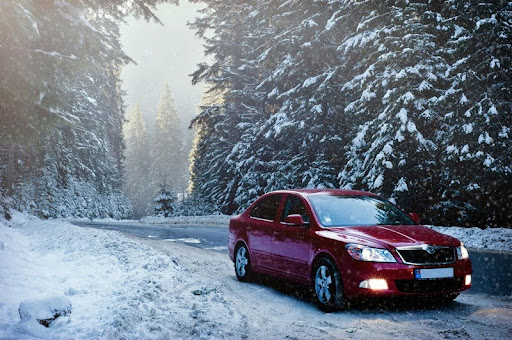
Navigating snowy roads with confidence requires the right vehicle and features.
Winter in the U.S. can get downright brutal. From icy roads in the Northeast to heavy snowfalls in the Midwest and mountain passes out West, driving when the temperatures drop and the snow flies is a whole different ball game. So, how do you pick the best car for snow and winter driving? What features should you prioritize to stay safe and confident behind the wheel? And which vehicle types actually make winter driving less stressful?
If you’ve ever found yourself stuck or slipping on a snowy street, you know the answer isn’t always “just drive slower.” It starts with the right ride. Let’s break down what makes a car winter-ready, which types tend to handle snow better, and how to make sure your vehicle is prepped for those cold, slippery days ahead.
What Are the Most Important Features for Winter Driving?
The truth is, not every car is built the same when it comes to handling snow and ice. Some have advantages that can literally save your life or at least save you from hours of frustration on snowy roads.
Why Does All-Wheel Drive (AWD) or Four-Wheel Drive (4WD) Matter?
If you’ve wondered, “Is AWD really worth it for winter?” the quick answer is yes. Both AWD and 4WD systems help send power to all four wheels, improving traction on slick surfaces. That extra grip can keep you from sliding off the road or getting stuck in deep snow.
But what’s the difference? AWD automatically adjusts power between wheels as needed, making it great for everyday winter conditions, especially in cities or suburbs. 4WD is often more rugged, letting you switch it on or off, which is handy for serious off-roading or deep snow drifts in rural or mountainous areas.
Either way, having power to all wheels beats two-wheel drive every time when roads get icy or snowy.
How Important Is Ground Clearance?
Think of ground clearance like the height of your car off the ground. When the snow piles up, a car that sits higher can cruise through without getting hung up. Low-clearance vehicles risk scraping the bottom or getting stuck, especially if snow hasn’t been fully cleared from the roads.
SUVs, trucks, and some crossovers usually have better ground clearance than sedans or hatchbacks, which gives them an edge in winter driving.
Should I Use Snow Tires, and What About Tire Compatibility?
Even the best AWD system won’t help much if your tires aren’t up to the task. Snow tires have special tread patterns and rubber compounds designed to stay flexible and grip icy or snowy surfaces better than all-season tires.
Before making a purchase, verify if the car you’re interested in can accommodate snow tires easily. Certain sports cars or compact vehicles may have limited compatibility. Additionally, all-weather tires offer a decent compromise if you prefer not to change tires with the seasons, although they don’t perform as well as dedicated snow tires in severe winter conditions.
What Safety Features Aid in Snowy Conditions?
Modern vehicles are equipped with technologies that significantly enhance your safety during winter. Systems such as Electronic Stability Control (ESC) and Traction Control can help avert skids and maintain stability when traction is lost.
The Anti-lock Braking System (ABS) prevents wheel lock-up during sudden stops, allowing you to maintain control instead of skidding. Newer models may also include driver assistance features like adaptive cruise control, lane-keeping assistance, and collision alerts, which can be crucial in challenging weather.
Do Heated Features Matter?
Although it may seem like a luxury, heated mirrors, seats, and even windshields can be invaluable during winter. They improve visibility and comfort, reducing the likelihood of taking risks or getting distracted while attempting to remove ice or warm up.
Which Vehicle Types Perform Best on Snow and Ice?
Not all vehicles manage winter weather equally, so what kind of car should you consider?
Are SUVs and Crossovers the Optimal Choices for Winter Driving?
Many drivers prefer SUVs and crossovers during winter, and rightly so. They typically come equipped with AWD or 4WD, have higher ground clearance, and spacious interiors for extra cargo or passengers. Moreover, their weight aids in maintaining stability on icy roads.
These vehicles offer a strong combination of size, capability, and comfort for everyday use, making them suitable for navigating both urban and rural snowy conditions.
What About Pickup Trucks?
Pickup trucks can excel in winter, particularly those with 4WD. Their size and weight assist in maneuvering through difficult conditions, although they possess certain drawbacks. For instance, having an empty truck bed can lead to reduced weight over the rear wheels, which may decrease traction on slick surfaces. Some drivers place weights or sandbags in the bed to enhance grip.
If you’re considering a truck for winter driving, be sure to account for these factors. They can be powerful and reliable, but may require additional preparation.
Can Sedans and Wagons Be Suitable for Winter Driving?
Absolutely! Not everyone needs or desires a large SUV. Some sedans and wagons are available with AWD and can prove surprisingly effective in snow. They often drive more like a traditional car, offering superior fuel economy and a smoother experience, while still providing adequate traction for safe winter travel.
Just be sure to choose models with AWD and consider adding snow tires for the best performance.
How Does Your Location Affect What Winter Car You Should Choose?
Winter driving isn’t the same everywhere. Different parts of the U.S. face different winter challenges, so your best car choice depends on where you live and drive.
What About Urban vs. Rural Winter Driving?
If you’re mostly driving in a city that plows roads regularly, you might prioritize comfort and convenience features more. AWD with good tires is enough for well-maintained streets, and you may not need the extra clearance that rural drivers do.
On the other hand, rural areas often have unplowed roads and rougher terrain. Here, a higher clearance vehicle with strong 4WD capabilities is often a better fit.
How Do Mountain Regions Change the Game?
Mountain driving in winter means steep inclines, tight curves, and often deeper snow. Cars with powerful engines, strong brakes, and excellent traction control are a must. You’ll want a vehicle that handles well on slippery slopes and can manage sudden weather changes.
What Should Drivers in Flat Snowbelt Areas Consider?
Places like the Great Lakes region can get lots of snow and ice, but mostly flat roads. Stability and braking control become the top priorities here, so good tires and advanced safety features are key.
How Can You Maintain Your Winter Car for the Best Performance?
Buying the right car is one thing, but keeping it winter-ready takes some effort. Maintenance matters.
- Check your tires regularly: Make sure tread depth is good and rotate them often to ensure even wear.
- Keep your battery healthy: Cold drains batteries faster, so get it tested before winter.
- Top off fluids: Use antifreeze and winter-grade windshield washer fluid to avoid freezing.
- Clean off salt and grime: Road salt can corrode your vehicle’s undercarriage, so wash your car often, especially underneath.
Does Fuel Economy Matter for Winter Cars?
Winter driving often means heavier cars (like SUVs and trucks) and added powertrain demands (like AWD), which can lower fuel efficiency. If gas mileage is a concern, look for newer models with fuel-saving tech, or consider hybrids that offer AWD without a big hit on economy.
Also, budget for the cost of snow tires and extra maintenance, winter driving does add some costs, but it’s worth it for safety.
Final Thoughts: What’s the Best Way to Prepare Your Car for Winter Driving?
Choosing the best car for snow and winter driving isn’t about picking the flashiest or the most expensive model.
It’s about matching the right features to your specific winter conditions and lifestyle. AWD or 4WD, good ground clearance, solid tires, and key safety features go a long way toward making winter driving safer and less stressful.
Got a test drive lined up? Try to take it in wet or chilly conditions if you can, it’ll give you a better feel for how the car handles when things get slippery.
Winter is coming, and your car should be ready to meet it head-on.
Frequently Asked Questions About Cars for Snow and Winter Driving
Q: Is AWD necessary for safe winter driving? A: AWD greatly improves traction and control on snowy and icy roads, making winter driving safer, especially in areas with frequent snow.
Q: Can I rely on all-season tires for winter driving? A: All-season tires work okay in mild winter conditions but don’t perform as well as dedicated snow tires in heavy snow or ice.
Q: Does a higher ground clearance help in snow? A: Yes, higher clearance lets your car drive over deeper snow without getting stuck or damaging the undercarriage.
Q: Are trucks good for winter roads? A: Trucks with 4WD can handle snow well but may need extra weight in the bed for better traction on icy surfaces.
Q: What maintenance should I do before winter? A: Check tires, battery, and fluids; clean salt off the car regularly; and make sure your heating systems work well.
If you’re thinking about switching to a winter-ready vehicle or prepping your current car for snowy roads, keep these tips in mind. And if you have questions or want advice tailored to your area, just ask! Safe driving out there.
About the Author