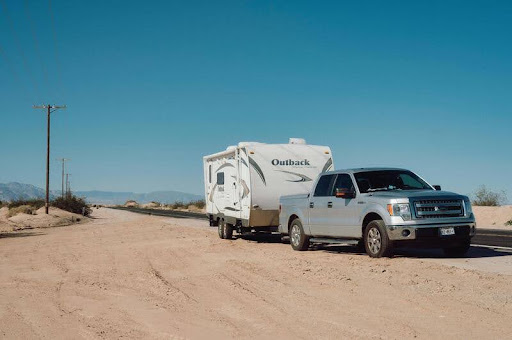
Built to haul—modern pickup trucks handle towing with power and control
Looking to tow a trailer, haul some serious gear, or maybe just need a tough truck that can handle whatever the job throws at you? You’re in the right place. Whether you’re planning to move heavy loads for work or just want a pickup that won’t struggle when it’s time to hitch up a camper, knowing which trucks can truly handle the load makes all the difference.
In this guide, we’re breaking down what really matters when it comes to towing and hauling, and helping you find the right pickup truck for the job. No flashy gimmicks. No overhyped marketing speak. Just practical advice, real features, and smart questions you should be asking before you buy.
What actually makes a truck good for towing and hauling?
It’s not just about horsepower or how big the truck looks. The real towing and hauling heroes are built with specific features that handle stress, weight, and road conditions without breaking a sweat.
Here’s what to look at:
- Towing capacity is how much weight a truck can pull behind it. Think trailers, boats, campers, anything that gets hitched up.
- Payload capacity is how much weight you can safely carry in the truck bed and cab. That includes equipment, tools, and even passengers.
- Torque and engine power matter a lot. Torque, in particular, is what gets a heavy load moving from a stop and helps when you’re climbing hills.
- Transmission and axle ratio play a key role in towing performance. A lower axle ratio (like 3.73 or 4.10) means more towing power but can impact fuel efficiency.
- Suspension and frame strength help keep things stable under heavy loads.
- Brake systems (especially integrated trailer brakes) are essential when hauling tons of weight.
Bottom line? A good towing truck is all about balance, power, control, and durability.
What features should I look for in a towing and hauling truck?
If you’re planning to tow regularly or haul heavy loads often, don’t just look at the engine size. Think about the features that make towing safer and easier.
- Trailer sway control helps prevent side-to-side motion when you’re on the highway.
- Integrated trailer brake controllers automatically sync trailer brakes with your truck’s brakes.
- Tow/haul modes on the transmission adjust shift points for smoother towing.
- Heavy-duty hitches and bed tie-downs make it easier and safer to secure your load.
- Rearview camera angles and trailer backup assist help with tricky maneuvers.
Pro tip: Trucks with factory-installed towing packages usually include these features, and they’re almost always better than aftermarket add-ons.
Should I go with a light-duty or heavy-duty pickup?
Great question, and the answer depends on what you’re doing with the truck.
Light-duty pickups (often called half-ton trucks)
These are great for everyday driving and light towing, say, a small trailer or a few dirt bikes. They usually have towing capacities between 5,000 and 10,000 pounds, which works for most weekend haulers.
Heavy-duty pickups (three-quarter-ton or one-ton)
These are workhorses. If you’re hauling a loaded trailer cross-country or towing construction equipment, you’ll need one. These can tow upwards of 18,000 to 35,000 pounds, depending on the configuration.
Full-size vs. midsize trucks
Full-size trucks offer more capability, but midsize pickups are easier to park and maneuver, ideal for folks who need utility without the bulk. If you’re sticking to small loads and want better fuel efficiency, a midsize might be enough.
Ask yourself: What will I be towing, and how often? Your answer can save you from buying more truck than you really need, or not enough truck to get the job done safely.
How do I read truck towing specs without getting overwhelmed?
Let’s be honest, towing specs can feel like alphabet soup. GVWR, GCWR, GAWR… what does it all mean?
Here’s the simplified version:
- GVWR (Gross Vehicle Weight Rating): The maximum total weight of the truck + payload.
- GCWR (Gross Combined Weight Rating): Max total weight of the truck + trailer + everything inside both.
- Curb weight: What the truck weighs empty.
- Payload = GVWR – Curb Weight
- Max towing capacity = GCWR – Curb Weight
Don’t just go by the maximum towing number. That’s the ideal number under perfect conditions. Your actual capacity might be lower based on how your truck is equipped, what you’re carrying in the bed, and even how many people are in the cab.
Is fuel efficiency worse when towing?
Yes, and by a lot. Most trucks lose 20–50% of their fuel efficiency when towing heavy loads. That midsize pickup that gets 24 mpg highway? It might drop to 12–15 mpg under load.
It’s just physics. Hauling a few tons creates drag and resistance, especially on hills. That’s why some truck owners invest in auxiliary fuel tanks or plan routes around gas stations.
What makes towing safer on today’s roads?
Towing safety has come a long way thanks to tech.
Modern trucks include features like:
- Blind-spot monitoring for trailers
- Adaptive cruise control that works with trailers
- Automatic emergency braking
- Load leveling suspensions
- Tire pressure monitoring for trailers
These aren’t just bells and whistles. They can seriously reduce the chance of accidents, especially for less experienced drivers.
If you’ll be towing frequently, look for trucks that integrate these tools into their dash displays and driver alerts.
How do I choose the right truck for my needs?
Think about how often you’ll be towing or hauling. Are you pulling a trailer once a year, or several times a week?
Other things to consider:
- Primary use: Commuting, construction, recreation, farm work?
- Type of terrain: Will you need four-wheel drive for rough roads or snow?
- Cab size: Crew cab for more passengers, or regular cab for longer bed space?
- Towing frequency: Occasional towing doesn’t require the biggest engine.
You don’t have to go for the most powerful truck on the lot. Choose based on your actual needs, not hypothetical ones.
What about ownership and maintenance costs?
Trucks built for towing and hauling take more abuse than everyday vehicles. That means:
- Brakes and tires wear out faster
- Suspension components need more frequent inspection
- Fuel costs are higher, especially under load
- Oil changes may need to be done more frequently when towing regularly
Also, insurance may cost more for heavy-duty models. Before you buy, get a quote based on VIN or specs to avoid surprises.
Final Thoughts: What makes a truck truly capable?
A truck isn’t just “tough” because it looks the part. A truly capable pickup is one that matches your specific needs, handles towing or hauling without fuss, and keeps you safe while doing it.
So, before you fall for the biggest, baddest model on the lot, ask yourself:
- What will I use it for?
- How much will I tow, and how often?
- Do I understand the difference between payload and towing capacity?
Answer those honestly, and you’ll be well on your way to choosing a truck that works with you, not against you.
FAQ: Pickup Trucks for Towing and Hauling
What’s the difference between payload and towing capacity? Payload is how much weight your truck can carry in the bed and cab. Towing capacity is how much it can pull behind it.
Do I need a heavy-duty truck for towing a boat or camper? It depends on the weight. Light-duty trucks can handle small boats or trailers, but larger RVs and equipment require heavy-duty models.
What’s the best axle ratio for towing? Lower axle ratios like 3.73 or 4.10, offer better towing power but may reduce fuel efficiency. It’s all about what you’re pulling.
How can I increase my truck’s towing capacity? You can’t change the official rating, but factory tow packages and proper maintenance help you safely reach the max-rated capacity.
Does towing affect gas mileage? Absolutely. Expect a significant drop, sometimes cutting your fuel economy in half, especially with heavy loads.
Ready to haul? Here’s your next step:
Still unsure which direction to go? Start by checking your trailer or equipment’s weight. Then match that up with what different truck classes offer. If you’re buying new, always ask for the detailed spec sheet, and make sure you understand your truck’s limits, not just the best-case scenario.
About the Author