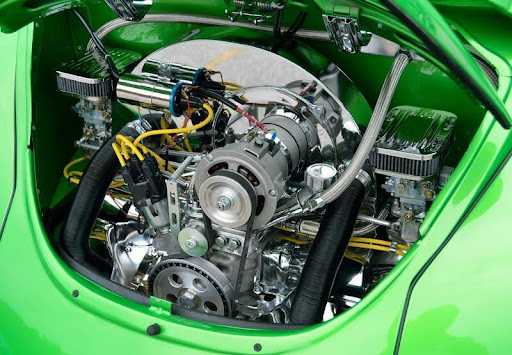
Efficient, comfortable, and ready for the daily drive—sedans still rule the commuter scene.
If you’re stuck in traffic every weekday, you already know this: your car can make or break your commute. Long hours behind the wheel? You want something that’s easy on your back and your wallet. That’s where sedans come in. These everyday heroes hit the sweet spot between comfort, fuel efficiency, and affordability.
So, what makes a sedan ideal for commuting? How do you pick the one that checks all your boxes without overcomplicating the process? Let’s dig in and break it down.
Why Are Sedans So Popular for Daily Commuting?
Sedans offer a great mix of comfort, efficiency, and practicality, which is exactly what you need when you’re logging serious miles on weekdays.
Compared to SUVs and trucks, sedans are easier to park, smoother on the road, and generally more fuel-efficient. Their lighter frames make for better mileage, and their lower center of gravity gives them solid stability. For commuters, that means a comfortable ride and fewer trips to the gas station.
And let’s be honest: when gas prices are bouncing around between and per gallon, that kind of efficiency adds up.
What Features Should You Look for in a Commuter Sedan?
When it comes to daily driving, certain features can make your life way easier. Here’s what to keep an eye on when you’re car shopping:
✅ Fuel Efficiency
This one’s a no-brainer. Look for sedans with MPG ratings of 30+ in the city and 40+ on the highway if fuel savings are a top priority. Hybrids and mild hybrids can stretch your dollar even further.
✅ Comfortable Seating
If your commute is longer than 30 minutes (and for many Americans it is), ergonomics matter. Think padded seats, lumbar support, and a smooth suspension system. Some sedans even offer ventilated seats and adjustable lumbar controls to reduce fatigue.
✅ Tech and Connectivity
Hands-free calling, Apple CarPlay, Android Auto, voice commands, and touchscreen infotainment systems help keep your focus on the road. If you’re streaming podcasts, audiobooks, or GPS directions, these tech features are game-changers.
✅ Safety Features
Modern sedans come packed with safety features. Look for lane-keeping assist, forward collision warnings, adaptive cruise control, and automatic emergency braking. Not only do these help prevent accidents, but many insurers also offer discounts for having them.
✅ Trunk and Cabin Storage
You don’t need a giant trunk, but you do need smart storage. A good commuter sedan has room for a laptop bag, groceries, gym gear, or whatever else you haul around.
✅ Reliability and Maintenance Costs
You don’t want your car in the shop more than it’s on the road. Choose a sedan known for long-term reliability and affordable repairs. Bonus if the brand offers an extended warranty or prepaid maintenance plans.
What Kind of Sedan Fits Your Commute?
Not all commutes or drivers are the same. Whether you’re in stop-and-go traffic or flying down highways, there’s a sedan for that. Let’s look at a few broad categories to help narrow it down.
1. Budget-Friendly Sedans
If saving money is your main goal, go with a compact or midsize sedan with great fuel economy and low maintenance costs. You’ll skip the frills, but still get the basics, solid MPG, decent comfort, and a smooth ride.
2. Luxury Commuter Sedans
Want to feel like you’re gliding into work? Luxury sedans offer plush interiors, ultra-quiet cabins, and advanced driver-assistance tech. They’re pricier up front, but some drivers swear by the comfort trade-off, especially on long commutes.
3. Eco-Friendly and Hybrid Sedans
Hybrids and plug-in hybrids offer exceptional fuel savings, and some even qualify for tax incentives. If you’re looking to cut your carbon footprint, or just your gas bill, this is the way to go.
4. Sporty Performance Sedans
Need a little thrill in your daily drive? Performance-focused sedans offer peppy engines and tighter handling without killing your fuel economy. Think of these as your weekday-warrior cars with weekend energy.
How Do You Balance Comfort and Efficiency in a Sedan?
This is the big question, right? Because sometimes, comfort means weight, and weight means lower MPG.
Here’s the trick: look for a balance of good fuel ratings and comfort-focused features. Don’t get lured in by ultra-soft seats if the MPG drops to SUV levels. Instead, find models that give you supportive seating, a smooth ride, and fuel efficiency in the mid-30s to low 40s MPG range.
Tip: test drive on the kind of roads you actually commute on. That means highways, surface streets, or rush hour conditions, whatever your real day looks like. Comfort and handling feel different depending on the terrain and traffic.
What’s the Best Way to Choose the Right Sedan for Your Commute?
Feeling overwhelmed by options? You’re not alone. Here’s a simple checklist to help you focus on what matters:
- Measure Your Commute: How many miles? How much traffic? Highway or city?
- Set Priorities: Are you all about comfort? Gas savings? Tech? Safety?
- Research Ownership Costs: Look at fuel, insurance, repairs, and depreciation.
- Compare Similar Models: Narrow down by type, then see which one fits your budget and needs best.
- Take a Test Drive: Don’t skip this.
Real-world driving matters way more than a glossy brochure or flashy ad.
And hey, ask yourself this: Would I still want to drive this car after a long day at work? That question alone can weed out the wrong choices.
How Does Commuting in a Sedan Save You Money Long-Term?
Let’s talk numbers. According to the U.S. Department of Energy, the average commuter drives about 13,500 miles per year. In a sedan that gets 35 MPG, that’s about 385 gallons of gas annually. Compare that to a larger vehicle that gets only 22 MPG, your fuel cost could be 30–40% higher.
Then factor in maintenance. Sedans often cost less to repair and maintain than SUVs or trucks. Parts are cheaper. Tires are smaller. Oil changes are usually less expensive. That adds up, especially over five or more years of ownership.
So even if you spend a bit more upfront for better features, you may still come out ahead in total cost of ownership.
Quick Tips to Maximize Your Sedan’s Commuting Power
- Keep your tires properly inflated to boost MPG and extend tire life.
- Use cruise control on highways to improve fuel economy.
- Stay on top of maintenance, a well-tuned engine runs smoother and more efficiently.
- Declutter your car, extra weight hurts mileage more than you think.
- Learn your car’s eco mode (if it has one) and use it when fuel savings matter.
Final Thoughts: Why the Right Sedan Makes Every Commute Better
Let’s face it, commuting isn’t going away anytime soon for most of us. But the right sedan? That can make the difference between a stressful slog and a smooth, peaceful ride.
Whether you’re all about fuel economy, comfort features, or just want something reliable and easy to drive, there’s a sedan out there with your name on it. Prioritize what matters most to you, and don’t settle for less, especially when you’re spending hours behind the wheel every week.
Frequently Asked Questions (FAQ)
What sedan gets the best gas mileage for commuting?
Hybrids and plug-in hybrids usually offer the best mileage, with some models hitting 50+ MPG. They’re ideal for city traffic and long highway drives.
Is a sedan better than an SUV for commuting?
In many cases, yes. Sedans are generally more fuel-efficient, easier to park, and cheaper to maintain, making them great for daily use.
How long can a good commuter sedan last?
With proper care, a well-built sedan can easily last over 200,000 miles. That’s over 10 years of daily commuting for many drivers.
What’s the most important feature in a commuter car?
It depends on your lifestyle, but fuel efficiency, comfort, and reliability top the list for most commuters.
Ready to upgrade your commute? Start by jotting down your must-haves and nice-to-haves. Then take a few test drives and trust your gut. Because when your car works with you, not against you, your daily drive feels a whole lot lighter.
About the Author