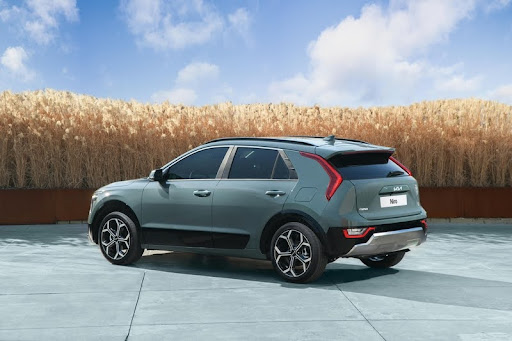
A fuel-efficient hybrid SUV built for comfort and long-haul adventures.
Planning a big road trip or just someone who racks up serious miles on the highway every month? Whether you’re commuting long distances or chasing the open road, having the right car can make or break the journey. And let’s be honest, no one wants to be stuck in a cramped seat or watching the gas gauge drop like a rock.
So, what exactly makes a car great for long-distance driving? It’s not just about good gas mileage (though that’s a huge factor). Comfort, safety, storage, and even tech features all play a role. Let’s break it all down so you can pick a vehicle that goes the distance, literally.
What makes a car ideal for long road trips?
The best cars for long-distance driving balance comfort, fuel efficiency, and smart design. Think plush seats, smooth ride, great MPG, and room for your stuff.
Start with comfort. If you’re going to be in the driver’s seat for hours, your back (and your passengers) will thank you for investing in something with solid lumbar support and a suspension that absorbs bumps instead of throwing you around.
Next up, fuel economy. A car that sips fuel instead of guzzling it will save you serious cash over time. And if you’re driving cross-country or commuting between cities, those miles add up fast.
Add in storage space, modern safety tech, and infotainment features that keep you sane on those endless stretches of highway, and you’ve got a road trip winner.
What comfort features matter most for long drives?
Ergonomic seating, quiet cabins, and climate control all top the list.
Let’s start with seats. You want something that supports your body well, not too soft, not too stiff. Adjustable lumbar support is key here. Heated and ventilated seats are nice bonuses, especially if you’re traveling through different climates.
Don’t underestimate the value of a quiet ride. Long drives with lots of cabin noise? No thanks. Look for vehicles with good insulation and low road noise ratings.
And yes, climate control matters more than you might think. Dual-zone (or tri-zone) climate systems help keep everyone happy temperature-wise, especially if you’re traveling with passengers.
Why is fuel efficiency so important for long-distance travel?
Better MPG means fewer gas stops and lower overall travel costs.
It’s pretty simple: the more efficient your car, the farther you go between fill-ups. That’s less time at gas stations and more time actually driving.
For highway travel, look for a car with strong highway MPG ratings.
Don’t just go by the combined number, you’ll be doing a lot of highway miles, so that’s the one that really counts.
Hybrids and newer fuel-efficient engines (turbocharged four-cylinders, for example) offer great MPG without sacrificing too much power. If you’re considering an electric vehicle, make sure it has solid range and accessible charging options along your route.
What types of vehicles are best for long-distance driving?
Sedans, SUVs, crossovers, and hybrids all have their strengths.
Sedans are the classic choice: smooth, quiet, often very fuel-efficient. They’re lower to the ground (which helps with aerodynamics and stability), and modern ones have plenty of legroom and trunk space.
SUVs bring more space and flexibility. If you’re traveling with a family or a lot of gear, an SUV might be the move. Just keep in mind they tend to burn more fuel unless you’re going for a hybrid model.
Crossovers give you a bit of both worlds: more cargo room than sedans, better MPG than traditional SUVs. Many people find these to be the sweet spot for long-distance comfort and convenience.
Hybrids and EVs are winning over more and more road trippers. With rising gas prices, a hybrid with great highway mileage or an EV with a 300+ mile range can be a game-changer, just be sure to plan for charging.
What should you consider before buying a long-distance car?
Think beyond the initial price tag. Look at reliability, maintenance costs, and available features.
Start with reliability. If your car breaks down on a remote stretch of road, it doesn’t matter how comfy the seats are. Stick with brands known for long-term durability.
Then there’s maintenance. How often does the car need service? Are parts expensive? These things add up, especially if you’re adding thousands of miles every month.
Look into the warranty and roadside assistance coverage too. Some brands offer generous protection, which can offer peace of mind on longer trips.
And don’t forget about towing capacity, storage flexibility, and seating layout if you’re planning on hauling gear or road-tripping with the whole crew.
What should you check during a test drive for long-distance suitability?
Test how it feels after 30 minutes, not just a quick spin around the block.
You want to replicate a real drive as much as possible. How’s the seat comfort after some time? Do you feel supported, or are you fidgeting?
Pay attention to visibility and mirror coverage. If you’re on long highway stretches, good sightlines and minimal blind spots make a big difference.
Try the infotainment system. Is it easy to use without taking your eyes off the road? How’s the sound quality if you’re listening to music, podcasts, or audiobooks for hours?
Check trunk space or rear cargo areas, and fold seats if possible. Is there enough room for your travel stuff, groceries, or gear?
Final thoughts: What’s the best car for your kind of long-distance driving?
The best long-distance car is the one that fits your lifestyle, travel habits, and budget.
It could be a comfy sedan with great MPG, a roomy crossover that handles road trips like a champ, or a fuel-efficient hybrid that saves you money at the pump. The key is to match the car to your personal driving patterns.
Ask yourself: Are you solo commuting or road-tripping with family? Do you need to tow, or just want a peaceful ride? What’s your fuel budget? Once you know those answers, you’re in a great spot to choose.
FAQ: Best Cars for Long-Distance Driving
What is the most fuel-efficient type of car for long drives? Hybrids generally offer the best fuel economy for long-distance driving, especially on highways.
Are electric cars good for long road trips? Yes, as long as you plan charging stops ahead of time. Look for EVs with 250+ mile ranges and access to fast-charging stations.
What size vehicle is best for long-distance travel? It depends on your needs. Sedans work well for solo or two-person trips. Crossovers and SUVs are better for families or gear-heavy travel.
Do comfort features really make a big difference? Absolutely. Good seats, quiet cabins, and climate control help reduce fatigue and make the trip much more enjoyable.
About the Author