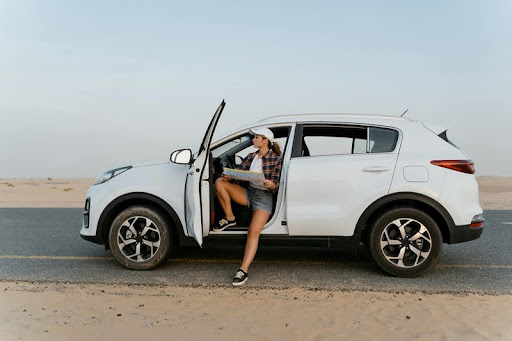
Planning the perfect weekend escape—crossovers make it easy to go from city streets to scenic routes.
Looking for a vehicle that fits your Monday-to-Friday commute and your weekend escape plans? You’re not alone. More and more drivers in the U.S. are turning to crossover SUVs, and it’s easy to see why. These vehicles blend the comfort and fuel economy of a sedan with the space and flexibility of an SUV.
But not all crossovers are created equal. Some handle city traffic like a pro, while others are better suited for open roads and country getaways. The sweet spot? A crossover that can do both, and do it well.
Let’s dive into what makes a great crossover SUV for both city driving and weekend adventures, and how to choose one that fits your lifestyle.
What is a crossover SUV, and why is it good for city and weekend use?
A crossover SUV is basically a mashup between a sedan and a traditional SUV. It’s built on a unibody frame (like a car), but it’s styled and structured like an SUV. That means better fuel efficiency, easier handling, and usually a smoother ride than bigger, truck-based SUVs.
Why is this such a big deal? Because for everyday driving, especially in crowded cities, you don’t want something bulky and hard to park. And when the weekend hits, you need a vehicle that doesn’t freak out when the pavement ends or you load it with luggage and camping gear.
Crossovers are all about balance. They’re just roomy enough, just sporty enough, and just efficient enough.
What makes a crossover SUV great for city driving?
1. Compact size and easy maneuverability
When you’re squeezing into a tight parking spot or making a quick U-turn downtown, size matters, crossovers tend to have smaller footprints than full-size SUVs, which means less stress in traffic and more confidence behind the wheel. Some models even offer a tight turning radius, a big win for urban life.
2. Fuel efficiency
In stop-and-go traffic, every MPG counts. While full-size SUVs might guzzle gas, many crossovers offer mileage in the 25–35 MPG range, especially the hybrid versions. That can save you hundreds of dollars a year in gas if you’re commuting regularly.
3. Tech that makes life easier
From rearview cameras and parking sensors to blind spot monitoring and automatic emergency braking, city-friendly crossovers come with smart features to help you avoid dents, dings, and surprises. And let’s be honest, parallel parking with a 360-degree camera? Game changer.
What should you look for in a crossover for weekend road trips?
City living is one thing, but if you’re planning weekend getaways, beaches, mountains, or maybe just your cousin’s place two states over, you’ll want a few more things.
1. Cargo space and flexible storage
Weekend trips often come with bags, snacks, coolers, maybe even bikes. So you want a crossover with good rear cargo capacity and fold-flat rear seats. Bonus points for hidden underfloor storage or adjustable cargo floors.
Think ahead: Can you toss in a tent and still fit your groceries?
2. Comfortable ride over long distances
Comfort matters more than you think. If you’re spending hours on the highway, things like supportive seating, legroom, and climate control can make a huge difference. Many crossovers now offer heated and ventilated seats, dual-zone A/C, and quiet cabins designed to reduce road noise.
3. All-wheel drive or terrain options
Planning on hitting some gravel roads or snowy routes? All-wheel drive can provide extra grip and confidence. Some crossovers even have terrain modes, like snow, sand, or hill descent control, to help handle whatever nature throws your way.
What features matter most in a crossover SUV that does both city and travel well?
Let’s talk about the must-haves, the features that make a crossover shine whether you’re cruising city blocks or heading to the lake.
Interior space without being bulky
You want a crossover that feels roomy on the inside but doesn’t hog space on the road. Look for models with clever interior design, like sliding seats or adjustable cargo floors, that give you room when you need it and efficiency when you don’t.
Infotainment and connectivity
In both city traffic and long drives, tech helps. Look for Apple CarPlay, Android Auto, voice control, and multiple USB ports. Some newer models offer wireless charging and built-in Wi-Fi hotspots.
Advanced safety features
Whether you’re dodging delivery vans downtown or navigating rainy highways, driver-assistance tech can help keep you safe. Prioritize things like adaptive cruise control, lane-keeping assist, and traffic sign recognition.
Fuel efficiency across conditions
No one wants to fill up constantly. For the best of both worlds, check out hybrid crossovers, they tend to offer high city MPG without sacrificing road-trip range. Even non-hybrid crossovers are getting more efficient thanks to better engines and lighter builds.
How do you balance city agility with adventure capability?
Here’s the thing: not every crossover is great at both jobs.
Some are built for luxury, others for off-roading, and a few just for school runs. So, how do you find the right mix?
Ask yourself a few simple questions:
- How often am I actually leaving the city?
- Do I really need off-road features, or just enough space for gear?
- Is fuel economy more important than cargo room?
The best crossover for you is the one that feels just right in your daily life. If 80% of your time is spent in traffic and 20% on trips, don’t overbuy for that 20%. Focus on features that make your commute easier, like parking tech and MPG. If you’re a weekend warrior every Friday, lean more into AWD and cargo space.
Why are crossover SUVs so popular in the U.S. right now?
Simple answer: they fit the American lifestyle. According to Statista, SUVs (including crossovers) made up over 50% of U.S. vehicle sales in 2024, with compact and mid-size crossovers leading the pack.
Why? They’re spacious without being huge, efficient without being boring, and practical without looking like a minivan. It’s the ultimate do-it-all vehicle for families, singles, and everyone in between.
So, what’s the bottom line?
Crossover SUVs are having a major moment, and for good reason. If you’re looking for a vehicle that can easily handle tight parking spots on Monday and mountain roads on Saturday, this is the category to explore.
Look for the right size, smart features, good mileage, and enough space to stretch out or stash your stuff. Most importantly, pick something that fits your life, not someone else’s checklist.
Take one for a spin. Get a feel for the visibility, the ride, and the layout. You’ll know if it’s a good fit. And if you’re still on the fence, try renting one for a weekend trip; you’ll quickly find out if it’s up to the task.
FAQs: Top Crossover SUVs for City and Weekend Use
What is the difference between a crossover and an SUV?
A crossover is built on a car platform (unibody), making it lighter and more fuel-efficient, while a traditional SUV uses a truck chassis (body-on-frame) for rugged performance.
Are crossovers good for road trips?
Yes! Crossovers are ideal for road trips due to their comfortable interiors, ample cargo space, and good fuel economy, especially on highways.
Do crossover SUVs get good gas mileage?
Most crossovers get between 25–35 MPG, with hybrid models performing even better, making them great for both city and highway driving.
Can crossovers handle snow or light off-road conditions?
Many crossovers offer all-wheel drive and terrain management systems, which can handle snow, gravel, or uneven roads, though they’re not meant for serious off-roading.
What’s the best size crossover for city driving?
Compact crossovers are best for city driving thanks to their smaller size, tight turning radius, and easier parking.
Ready to test drive your next adventure?
Still unsure which features matter most to you? Make a quick list of what your weekdays and weekends look like. From there, it’s easier to figure out what kind of crossover fits your needs. Whether it’s school runs, grocery hauls, or hiking trips, we’re confident there’s a match out there for you.
About the Author