Freedom on two wheels—whether you lean sportbike or cruiser, the ride is all about the open road and wide horizons.
So you’re ready to buy a motorcycle, but now you’re staring down the big question: sportbike or cruiser? Both look cool. Both promise adventure. But they couldn’t be more different once you get in the seat.
Let’s break it all down. We’re going to compare these two popular motorcycle types in plain English, so you can figure out which one fits your riding style, comfort needs, and lifestyle. Whether you’re a beginner or already have some road time under your belt, this guide will help you cut through the noise and make a confident decision.
What’s a Sportbike, and Who Are They Best For?
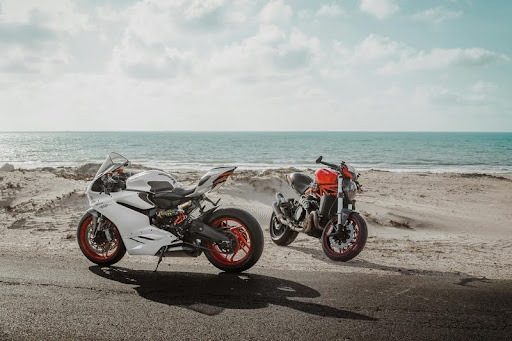
Sportbikes are built for speed, agility, and performance. Think quick acceleration, aerodynamic design, and a forward-leaning riding posture. They’re lightweight, responsive, and perfect for riders who want excitement in every twist and turn.
If you’re the kind of person who loves thrills, corner carving, or just wants something that feels powerful and precise, a sportbike might speak your language.
But there’s a tradeoff: comfort. Sportbikes aren’t designed for long, leisurely rides. You’ll feel that aggressive stance in your wrists and back if you’re on one for hours. They’re better suited for short, spirited rides than cross-country touring.
What Is a Cruiser Motorcycle, and Why Do People Love Them?
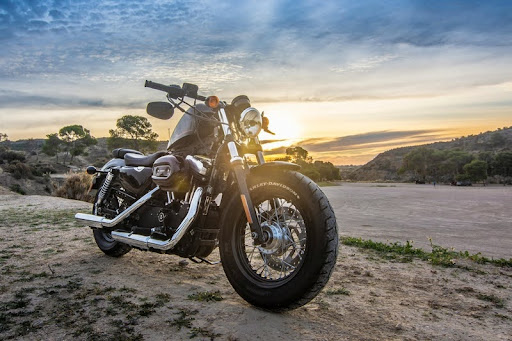
Cruisers are made for comfort, style, and relaxed riding. With low seat heights, upright or slightly leaned-back postures, and a laid-back attitude, they’re the motorcycle equivalent of taking the scenic route.
Cruisers have that deep, rumbling engine sound and a beefier build. They’re not trying to win any races, but they will win you over on a long ride with how smooth and easy they feel.
If you like the idea of cruising down the highway, soaking in the view, or just enjoying the ride without being hunched over the tank, then a cruiser might be more your speed.
What’s the Difference Between a Sportbike and a Cruiser?
Let’s get into the nitty-gritty. Here are the key ways these bikes differ:
Performance and Speed: Which One Wins the Power Battle?
Sportbikes are engineered for maximum performance. Higher horsepower, better aerodynamics, and quicker handling make them the clear winner when it comes to speed and agility. If you care about lap times (even if you’re not going to a track), sportbikes deliver.
Cruisers, on the other hand, are all about torque at lower RPMs. They have strong engines too, but they’re not built to be fast; they’re built to feel powerful at slower speeds.
The ride is smooth, strong, and steady.
Comfort and Riding Position: Which Bike Is Easier on the Body?
If you want long-haul comfort, cruisers have the edge. Their low seats, wide handlebars, and natural posture make them great for extended riding. Plus, they usually have more space to stretch out.
Sportbikes put you in a tucked position, leaning forward with your feet set back. It’s great for control and aerodynamics, but it can wear you out on longer rides, especially if you’re not used to it.
Handling and Control: Which Bike Feels More Responsive?
Sportbikes handle like a dream in tight turns and at higher speeds. Their lightweight frames and aggressive stance give you more precise control.
Cruisers feel more stable and grounded, especially at lower speeds. They’re heavier and take a bit more effort to maneuver sharply, but that’s part of their charm. They’re built for smooth rides, not technical courses.
Fuel Efficiency: Which One Goes Further on a Tank?
Generally, sportbikes can get better fuel economy than cruisers, especially in smaller engine classes. However, aggressive riding (which sportbikes invite) can tank that MPG fast.
Cruisers often have larger engines and weigh more, which usually means slightly lower fuel efficiency, but they tend to have bigger gas tanks to compensate.
Maintenance and Cost: Which One Costs More to Own?
Sportbikes often require more frequent maintenance, especially if you’re pushing performance. Tires, chains, and brakes wear out faster when you’re riding hard.
Cruisers are typically a bit easier on upkeep, especially if you’re riding at a relaxed pace. Parts tend to last longer, and many cruisers are air-cooled, which simplifies the engine system.
Of course, insurance costs for sportbikes are usually higher, particularly for younger riders in the U.S. That’s something to keep in mind.
Style and Customization: Which One Has More Personality?
This one’s all about preference. Sportbikes come with sleek, high-tech designs that scream speed. Cruisers lean into classic, retro, or muscle-bike aesthetics. Both look great, just in different ways.
When it comes to customization, cruisers often win. There’s a huge aftermarket for parts, and many riders treat their cruiser like a canvas. You can add bags, bars, seats, pipes, you name it.
How Do You Know Which Motorcycle Type Is Right for You?
This is where it gets personal. Think about how you plan to use your motorcycle day to day. Be honest with yourself.
Ask questions like:
- Am I going to commute on this thing, or is it just for weekend fun?
- Do I care more about performance or comfort?
- Can I handle the aggressive position of a sportbike?
- Do I plan to take long rides or just quick zips around town?
It also depends on your riding experience. Beginners often gravitate toward cruisers because of the forgiving ride and low seat height. But some new riders love sportbikes for the adrenaline rush, just keep in mind that learning on a powerful sportbike comes with a steeper learning curve.
And of course, budget matters. Not just the sticker price, but also insurance, gear, gas, and maintenance. Sportbikes can come with more hidden costs than you expect, especially when it comes to repairs and wear-and-tear items.
Pros and Cons Breakdown
Here’s a quick snapshot to help you decide:
Sportbike Pros
- Fast, agile, high-performance
- Great for twisty roads or track days
- Sleek, modern design
Sportbike Cons
- Less comfortable for long rides
- Higher insurance costs
- Not beginner-friendly for all riders
Cruiser Pros
- Comfortable and relaxed ride
- Great for touring or casual use
- Easier to customize and maintain
Cruiser Cons
- Heavier and less agile
- Lower top speed and performance
- Not ideal for aggressive riding
Still Not Sure? Here’s a Simple Way to Decide
If you’re drawn to speed and thrill, go sportbike. If you’re more about the ride and the vibe, go cruiser.
Try visiting a local dealership and sitting on a few bikes. You don’t have to ride them, just feel them out. See how your body fits the frame. Do your feet touch the ground comfortably? Are you leaning too far forward? That quick test can tell you a lot.
And don’t worry, this doesn’t have to be your forever bike. Riders often start with one type and switch later as their style evolves.
FAQ: Sportbike vs. Cruiser
Q: Are sportbikes harder to ride than cruisers?
A: They can be. Sportbikes require more body control and often have more power, which makes them less forgiving for beginners.
Q: Which is safer, a cruiser or a sportbike?
A: Safety depends more on the rider than the bike. That said, cruisers encourage slower, steadier riding, which can reduce risk for some riders.
Q: Is a cruiser or a sportbike better for long-distance trips?
A: Cruisers are generally more comfortable for long rides thanks to their seating position and relaxed ergonomics.
Q: Which bike is cheaper to insure?
A: In most cases, cruisers are cheaper to insure, especially for younger riders. Sportbikes are often considered higher risk.
Q: Can you tour on a sportbike?
A: You can, but it’s not ideal. The riding posture and storage limitations make longer trips less comfortable.
Final Thoughts: Follow Your Ride Style
In the end, the best motorcycle is the one that matches your riding goals, your body, and your budget. Don’t pick based on what looks cooler or what someone else rides; pick what fits your life.
Cruiser or sportbike, the most important thing is that you get out there and ride safely.
Thinking about taking the next step? Visit a local dealer, take a motorcycle safety course, and start testing what feels right.
And hey, if you’re still stuck between the two? Maybe that’s a sign you’re going to own both one day.
About the Author