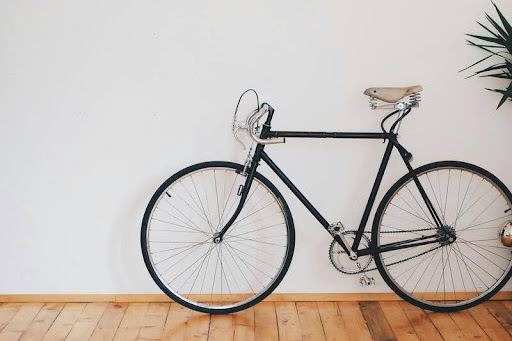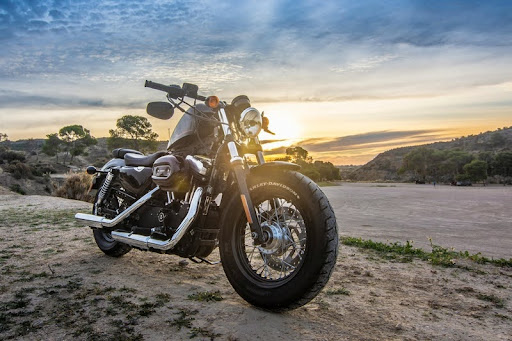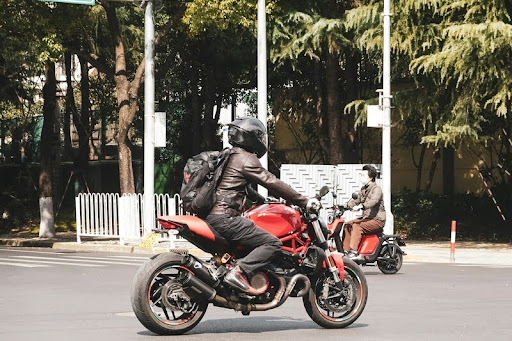
Navigating the urban jungle—motorcycles make city commuting faster and more efficient.
If you’ve ever sat in bumper-to-bumper traffic in a busy U.S. city, you know how frustrating it can be. It’s slow, stressful, and often unpredictable. So, why do so many people turn to motorcycles to get around? Simply put, motorcycles are nimble, easy to park, and usually way more fuel-efficient than cars. Plus, they often let you zip through traffic and shave time off your daily commute.
But not all motorcycles are cut out for the hustle and bustle of city life. So, what should you look for if you want the best motorcycle for commuting in places like New York, Los Angeles, or Chicago? Let’s break it down.
What Should You Consider When Choosing a Commuter Motorcycle?
Choosing a bike for city commuting isn’t about picking the flashiest model or the fastest engine. It’s about practicality. Here are the main things you need to keep in mind:
- Maneuverability: Can you easily weave through tight traffic? A smaller, lighter bike usually wins here.
- Fuel Efficiency: With gas prices fluctuating, a fuel-sipping motorcycle can save you a lot over time.
- Comfort: You’re going to spend a lot of time on your bike, so it needs to be comfy for daily rides.
- Reliability: The last thing you want is your bike breaking down when you’re already late.
- Safety Features: Urban riding means stop-and-go traffic, pedestrians, and unpredictable situations. ABS brakes and good lighting are must-haves.
If you keep these factors in mind, you’ll find a bike that makes your daily ride less stressful and more enjoyable.
What Types of Motorcycles Work Best for Urban Commuting?
Not all motorcycles fit the city lifestyle equally. Some styles are naturally better suited for dodging traffic jams and parking in tight spots. Here’s a quick rundown:
- Standard or Naked Bikes: These are versatile, usually lightweight, and easy to handle. They don’t have a lot of fancy fairings or bodywork, which makes them practical and affordable.
- Scooters: Small, light, and incredibly fuel-efficient. Scooters often have automatic transmissions, which means less fuss in stop-and-go city traffic. Plus, they’re great for short trips.
- Lightweight Sport Bikes: Don’t let the “sport” label scare you. Lightweight sport bikes are agile and have quick acceleration, perfect for zipping through traffic but still comfortable enough for daily use.
- Electric Motorcycles: With more cities pushing for cleaner transport options, electric motorcycles are gaining traction.
They’re quiet, have instant torque, and no gas stops, ideal for short to medium urban commutes.
Each type has its pros and cons, but all can work well depending on your needs and budget.
How Do Features Like Size and Tech Make a Difference for City Riding?
Size matters when you’re squeezing between cars or trying to find parking on a crowded street. A bike that’s too bulky is a hassle. That’s why compact, lightweight frames are popular choices in the city.
Good lighting and visibility are also crucial. Early morning or late evening commutes often happen in low light, and you want to be seen by everyone around you.
What about tech? Features like anti-lock braking systems (ABS) and traction control aren’t just fancy add-ons. They actually help keep you safe, especially when you need to brake suddenly or deal with wet roads.
Also, think about storage. Some motorcycles and scooters come with built-in storage or can be fitted with small racks or boxes, perfect for carrying your essentials without a bulky backpack.
What Are the Best Safety Tips for Riding in Busy Cities?
City riding isn’t the same as cruising on the open highway. You’ve got to be alert, defensive, and ready for anything. Here are some must-know tips:
- Ride Defensively: Assume other drivers don’t see you. Keep a safe distance and watch for sudden lane changes.
- Pick Your Routes Wisely: If you can, avoid the busiest streets during rush hour. Side streets might add a few minutes, but often make for a less stressful ride.
- Wear Proper Gear: A good helmet, gloves, jacket, and boots aren’t just for looks; they protect you from injuries and the elements. Bright colors or reflective gear increase your visibility.
- Maintain Your Bike Regularly: Check your tires, brakes, lights, and fluids often to avoid breakdowns. A well-maintained bike is a safer bike.
Safety should always be your top priority, no matter how convenient motorcycles can be for urban commuting.
Why Are Fuel Efficiency and Low Maintenance Such Big Deals?
Gas prices in the U.S. can be unpredictable. According to recent data, the average price for regular gasoline in major cities can swing dramatically month to month. That’s why a motorcycle that gets great mileage is a big win for your wallet.
Maintenance costs also add up. City riding means frequent stops and starts, which can wear out parts like brakes and tires faster. So, choosing a bike known for reliability and easy maintenance means fewer surprise bills and headaches.
Can Electric Motorcycles Replace Gas-Powered Bikes in Cities?
Electric motorcycles are becoming more popular, especially as cities push for greener transportation options. They have a few big advantages:
- No emissions, better for the environment and city air quality.
- Instant torque means quick takeoffs from traffic lights.
- Lower operating costs, no gas, fewer moving parts to fix.
- Quiet operation reduces noise pollution.
The main downside? Limited range and longer charging times compared to filling up at a gas station. But for many urban commuters with shorter trips, electric bikes can be a perfect fit.
What Makes a Motorcycle Comfortable for Daily City Riding?
Think about how much time you spend commuting each day. Sitting on an uncomfortable seat or an awkward riding position will make every trip feel like a chore.
Look for bikes with ergonomic designs: comfortable seats, easy-to-reach handlebars, and a riding posture that won’t leave your back or wrists aching. Some bikes come with adjustable parts so you can customize the fit.
Suspension quality also matters. Good shocks will smooth out bumps and potholes, common annoyances on city streets.
How Do You Choose the Right Motorcycle for Your Specific City?
Every city has its own vibe and challenges. For example, New York’s crowded streets and constant stop-and-go traffic might call for a small, ultra-maneuverable scooter or lightweight bike. Meanwhile, Los Angeles’s spread-out layout might favor something a bit faster and comfortable for longer rides.
Think about:
- Traffic patterns: How heavy is the congestion?
- Parking availability: Is space tight?
- Your commute distance: Is it just a few miles or more?
- Weather conditions: Rain, snow, and heat affect what you want in a bike and gear.
No one-size-fits-all here. Choose a bike that fits your city and your personal routine.
Ready to Make Your Commute Easier?
Commuting by motorcycle can save you time, reduce stress, and even cut costs. But picking the right bike is key. Think about maneuverability, fuel efficiency, comfort, and safety features as your top priorities. Whether you go for a scooter, a standard bike, or an electric model, there’s a perfect ride out there for you.
Have questions about which bike fits your style or city best? Drop a comment below, let’s chat about finding your ideal commuter motorcycle!
FAQ: Best Motorcycles for City Commuting
Q: What is the best motorcycle type for heavy city traffic? A: Lightweight standard bikes or scooters are typically best
. They’re easy to maneuver and park in tight spaces.
Q: Are electric motorcycles practical for city commuting? A: Yes, especially for shorter commutes. They offer instant torque, zero emissions, and lower running costs, but may have limited range.
Q: How important is fuel efficiency for a commuter motorcycle? A: Very important. City riding often means frequent stops, so a bike that gets good gas mileage helps save money.
Q: What safety features should I look for in a city commuter bike? A: ABS brakes, good lighting, and traction control are key. Also, always wear proper gear.
Q: Can a scooter handle longer city commutes? A: Scooters are great for short to medium trips. For longer distances, you might want a bike with a bigger engine and more comfort.
About the Author