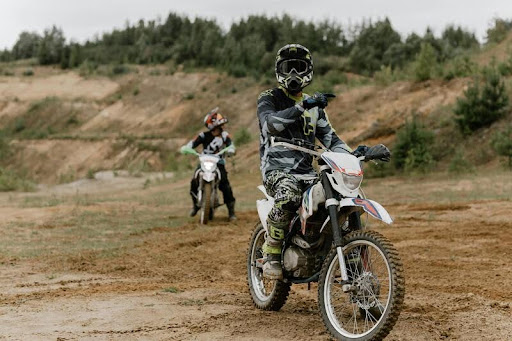
Gearing up isn’t just smart—it’s essential. Proper protection turns a good ride into a safer one.
So, you just got your motorcycle license. Congrats! That first ride? Total freedom. But also, total responsibility. Before you rev the engine and hit the road, let’s talk safety. While riding a motorcycle is exhilarating, it’s also risky, especially for new riders.
According to the National Highway Traffic Safety Administration (NHTSA), motorcyclists are about 24 times more likely than car occupants to die in a crash per vehicle mile traveled. That’s a serious stat, and it highlights just how important it is to ride smart from day one.
This guide is packed with straightforward, practical safety tips tailored for new motorcycle riders in the U.S. Let’s get into it.
What safety gear do beginner motorcycle riders need?
Start with the basics: your helmet. This isn’t optional; it’s your number one piece of safety equipment. Look for a DOT-approved helmet (you’ll find a sticker on the back). Full-face helmets offer the best protection and keep bugs and road debris out of your face.
Next up: riding gear. That means a tough jacket (preferably abrasion-resistant), gloves, durable pants, and over-the-ankle boots. Forget fashion, you want protection. Look for gear with armor in key impact areas like shoulders, elbows, and knees.
Want to be seen? Go for high-visibility or reflective materials. A bright jacket or a reflective vest can make a huge difference, especially at night or in bad weather.
How can I get comfortable with my motorcycle?
Before you ride into traffic, you should really know your bike. Spend time in a parking lot or other low-stress environment getting familiar with the controls.
Check the basics before every ride: tires, brakes, lights, oil, mirrors, and horn. This quick inspection can catch issues before they become real problems on the road.
Also, understand your bike’s limits. How quickly does it stop? How wide does it turn? Practice braking, swerving, and low-speed maneuvering until it feels second nature.
Why should I take a motorcycle safety course?
Simple: because it can save your life.
Most states offer a Motorcycle Safety Foundation (MSF) Basic RiderCourse, and some even make it mandatory. These classes go beyond what you learn in the DMV manual.
You’ll get hands-on training with instructors who teach you the skills you need to ride with confidence.
Plus, completing the course can often help lower your insurance premiums and may let you skip the riding portion of your license test. Win-win.
What’s the best way to stay safe around other drivers?
Think of every driver as someone who doesn’t see you. Because chances are… they don’t.
Defensive riding is your best friend. Always leave plenty of space between you and the car in front of you. Avoid lingering in blind spots, and be extra cautious at intersections, that’s where a lot of crashes happen.
Use your lane position strategically to increase your visibility. Flash your brake light when you’re slowing down, and always signal well in advance.
What traffic laws do motorcyclists need to follow?
The same ones as cars, plus a few extras.
Obey speed limits, even when it feels like your bike wants to go faster. Use turn signals for every move. Come to complete stops at stop signs and red lights.
And don’t split lanes unless it’s legal in your state (like California). Even then, only do it when it’s safe and you’re confident.
How can I stay focused and avoid distractions?
Ride like it’s your only focus, because it should be. Don’t ride if you’re tired, upset, or buzzed.
And yes, that includes weed and prescription meds. Just because something’s legal doesn’t mean it’s safe to ride with it in your system.
Keep your phone stashed away, avoid fiddling with your earbuds or helmet comms, and stay sharp. Your awareness is your first defense.
How do weather and road conditions affect motorcycle safety?
More than you might think.
Rain, fog, and ice dramatically reduce traction and visibility. If you have to ride in bad weather, slow down and increase your following distance.
Watch for hazards like potholes, gravel, wet leaves, and painted lines. These can all mess with your traction.
Cold weather? Your tires need time to warm up before they grip properly. Take it easy until everything is up to temp.
What’s the best way to keep improving your motorcycle skills?
Never stop learning. Seriously.
Keep practicing your low-speed turns, emergency stops, and obstacle avoidance. Try riding in different environments, rural roads, city streets, and highways, to build confidence in all kinds of situations.
You can also look into intermediate or advanced riding courses. The MSF and other organizations offer skill-building classes that go beyond the basics.
Final thoughts: Ride smart from day one
Look, nobody becomes an expert rider overnight. It takes time, practice, and a commitment to doing things the right way. But if you take safety seriously from the start, you’ll build habits that protect you for years to come.
So gear up, stay alert, and enjoy the ride. You’ve got this.
FAQs: Motorcycle Safety for Beginners
What’s the best motorcycle for a beginner? Lightweight bikes with manageable power, like 300cc-500cc models, are ideal for new riders.
How often should I check my motorcycle before riding? Every time you ride. A quick pre-ride inspection helps catch issues early.
Is it okay to ride with a passenger as a new rider? Not right away. Get comfortable riding solo before adding the complexity of a passenger.
Do I need motorcycle insurance in every state? Yes, liability insurance is required in most U.S. states. Check your local laws.
Can I ride a motorcycle year-round? Depends on where you live. In cold or snowy climates, it may not be safe or practical year-round.
About the Author