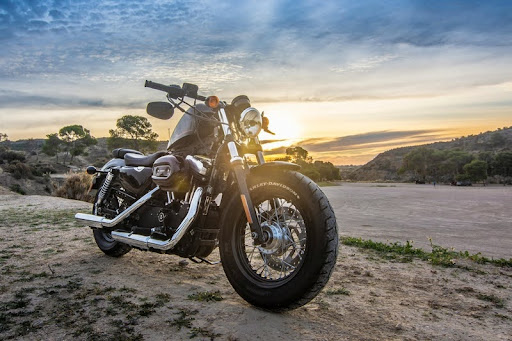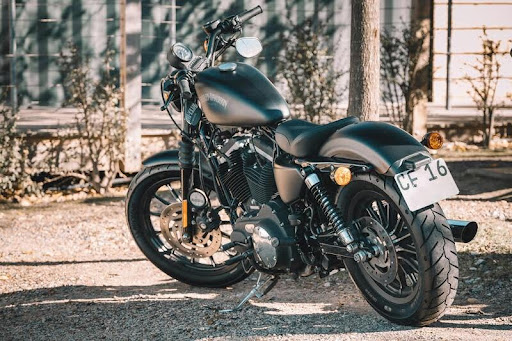
A well-maintained used motorcycle, ready for its next rider—buying used can be smart when you know what to look for.
Buying a used motorcycle in the U.S. can be a smart move if you do it right. The right bike at the right price can save you thousands, but rushing into a purchase without doing your homework. That can cost you big time. So before you get swept up by shiny chrome and a sweet engine rumble, let’s talk about what really matters.
How much should you budget for a used motorcycle?
The price tag is just the beginning. Sure, you might find a great deal on a bike listed for $4,000, but that’s not the full story. You’ll need to factor in the total cost of ownership. Think insurance (which can vary a lot based on your age and location), registration fees, maintenance, and protective gear.
For example, the average annual cost of motorcycle insurance in the U.S. ranges from $200 to over $1,000, depending on your state and riding history. And don’t forget a helmet, jacket, gloves, and maybe riding boots, those can easily run 500+ altogether.
Pro tip: Set a firm budget before you start shopping. Stick to it. It’s way too easy to overspend once you’re standing next to a bike you’ve already fallen for.
What kind of used motorcycle should you look for?
Ask yourself: What’s this bike for? Commuting? Weekend rides? Long road trips?
Different bikes suit different lifestyles. A cruiser might be perfect for relaxed, scenic rides. A sportbike? Great if you like speed and precision handling. Touring motorcycles offer comfort for longer trips, while dual-sports can handle both pavement and dirt.
And here’s something many first-time buyers overlook: fit and comfort. Make sure the bike fits your height, weight, and skill level. If you’re just starting out, a smaller engine size (say, 300cc to 500cc) might be a better bet until you get more comfortable on the road.
Why is researching motorcycle models and reliability so important?
Not all bikes are created equal. Some brands are known for reliability and low maintenance. Others? Not so much.
Dig into online reviews, forums, and rider groups. See what current owners say about long-term maintenance and parts availability. Look out for known issues with certain models. Even something as simple as an awkward oil filter placement can make DIY maintenance a pain.
Also, check for any manufacturer recalls. You can search by VIN using the National Highway Traffic Safety Administration (NHTSA) website. Better safe than stuck on the side of the road, right?
How do you check the title and motorcycle history?
This part is crucial. Always ask to see the title. You want to make sure it’s clean, not salvaged, rebuilt, or branded in any way that indicates major damage.
Look up the bike’s VIN to make sure it matches the title and frame. A vehicle history report (like one from CycleVIN or CARFAX for motorcycles) can tell you if the bike has been in a serious accident, has a lien on it, or was ever reported stolen.
Quick warning: If the seller hesitates or makes excuses about paperwork, that’s a major red flag.
What should you inspect on a used motorcycle?
Here’s where you put on your detective hat. Walk around the bike. Look for:
- Rust, especially around the chain, exhaust, and under the seat
- Leaks from the engine or forks
- Cracks or dents in the frame
- Worn tires or brakes
- Chain condition (tightness, rust, lubrication)
- Signs it’s been dropped (scrapes on bar ends, levers, or foot pegs)
Check the odometer. High mileage isn’t always bad if the bike was maintained well, but it should influence the price.
Not sure what you’re looking for? Bring a more experienced rider or a mechanic with you. Many shops offer pre-purchase inspections for a small fee, totally worth it.
What questions should you ask the seller?
A few key questions can reveal a lot:
- Why are you selling it?
- Has it ever been in an accident or dropped?
- Do you have service records?
- How long have you owned it?
- Any recent repairs or modifications?
Watch how they answer. Are they open and transparent, or do they dodge your questions? Trust your gut.
Should you take a test ride?
If the seller allows it and you’re licensed and insured, absolutely.
Listen closely for strange noises. Feel the clutch, throttle response, and braking. Check for wobble or shaking. Pay attention to how the bike handles and whether it feels balanced and comfortable.
No test ride? That’s not necessarily a dealbreaker, but it should make you extra cautious. At the very least, ask the seller to start it up and let it idle.
What paperwork do you need to complete the sale?
You’ll need:
- A bill of sale (you can find free templates online)
- The signed title
- Any lien release documents, if applicable
Once you’ve got those, check your state’s DMV site for exact title transfer and registration requirements. Most states require you to register within 30 days of purchase.
And don’t forget to line up insurance before riding home. Many insurers can get you a digital policy the same day.
What are red flags to watch for when buying a used motorcycle?
Keep your eyes peeled for:
- A price that’s way below the market average
- Sellers who won’t meet in person or let you inspect the bike
- VIN that doesn’t match the title or looks tampered with
- Rushed or pushy behavior
- Inconsistent answers about ownership or history
Bottom line: If something feels off, walk away. There are plenty of bikes out there. You don’t need to gamble.
How should you make an offer on a used motorcycle?
Start with research. Check values on Kelley Blue Book or NADA Guides. Come prepared with a fair offer based on condition, mileage, and recent work done.
Be respectful, but firm. And don’t be afraid to walk away if the seller won’t budge and the bike doesn’t justify the price.
Tip: Cash usually gives you more bargaining power, but be safe about it; meet in public, preferably at a bank or police station.
Final steps before buying
Let’s recap what to double-check before handing over your money:
- VIN matches the title
- The title is clean and signed over to you
- No liens
- Insurance is set up
- You have a way to transport the bike if it’s unregistered
Take a breath. Buying a motorcycle is a big deal, but if you’ve done all this, you’re probably in great shape.
Ready to ride?
Congrats! You’re about to start a new adventure on two wheels. It’s not just about getting from point A to B. It’s about freedom, fun, and that feeling you get when the road opens up ahead of you.
Just remember: the smartest riders are the safest ones. Wear your gear, ride defensively, and keep up with regular maintenance.
FAQ: Buying a Used Motorcycle in the U.S.
Q: What is the best time of year to buy a used motorcycle? A: Late fall and winter often bring better deals, as fewer people are shopping for bikes and sellers are more motivated.
Q: How many miles is too much on a used motorcycle? A: It depends on the model, but over 40,000 miles may require closer inspection. Maintenance history is more important than mileage alone.
Q: Do I need a motorcycle license to buy a bike? A: No, but you do need one to ride it legally. You’ll also need insurance before you take it on the road.
Q: Should I buy from a private seller or a dealership? A: Private sellers often have lower prices, but dealerships might offer warranties and easier financing.
Q: Can I negotiate the price of a used motorcycle? A: Yes! Most sellers expect some negotiation, so do your research and don’t be afraid to make an offer.
About the Author