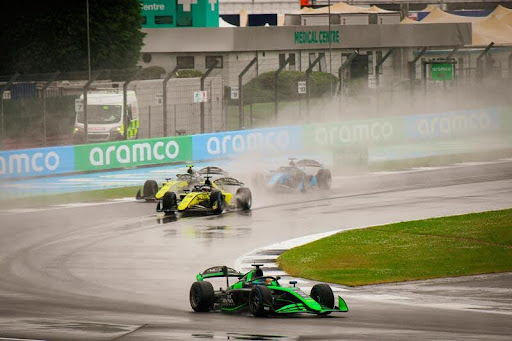
Precision, speed, and global flair—Formula 1 brings high-stakes racing to tracks around the world.
If you’re into fast cars, tight turns, and adrenaline-pumping action, chances are you’ve heard of both NASCAR and Formula 1. But even if you’re a casual fan, you might be wondering, what’s the real difference between the two? And more importantly, which one is right for you as a U.S. motorsports fan?
Let’s break it down, piece by piece. No need for jargon or long-winded history lessons. Just the facts, the feel, and the fan experience, all laid out in plain English.
Where Did NASCAR and F1 Come From, and Why Does It Matter?
NASCAR and Formula 1 have completely different roots, and that shapes the way each sport feels today. NASCAR got its start in the American South, built on stock car culture and a blue-collar vibe. Think muscle cars, high speeds, and raw power.
F1, on the other hand, has a sleek, European origin. It’s rooted in luxury, engineering brilliance, and global prestige. While NASCAR was growing on oval tracks in the U.S., F1 was racing through the streets of Monaco and other glamorous spots.
So why does this matter? Because the culture and history influence everything, from the way the races are set up to how the fans connect with the sport.
How Are NASCAR and F1 Races Structured?
In terms of race format, NASCAR and F1 are night and day.
NASCAR races are long. We’re talking 500 miles long in some cases. They often involve hundreds of laps on oval or tri-oval tracks, with stage breaks, multiple pit stops, and more bump-and-grind action.
Formula 1 races are shorter but faster. Typically, around 190 miles total, F1 races don’t have stage breaks and tend to wrap up in under two hours. The action is smoother, but the precision is intense. One wrong move, and you’re toast.
So if you’re the kind of fan who loves long-haul excitement and ever-changing race positions, NASCAR might be your thing. But if you prefer quick, surgical competition where strategy and split-second decisions rule, F1 has you covered.
What’s the Difference in Tracks and Race Environments?
This one’s big. NASCAR tracks are mostly ovals, circular or rounded triangles that let drivers hit consistent high speeds and keep the action close. The idea? Fast, crowded, and contact-heavy racing.
Formula 1 takes a different route. Literally. F1 uses road courses and street circuits, packed with hairpin turns, elevation changes, and tight corners. These tracks test driving precision more than brute force.
If you love the sound of roaring engines and seeing cars side by side at 180 mph lap after lap, NASCAR’s got what you want.
But if you’re into global scenery and edge-of-the-seat turns through city streets, F1 is a whole vibe.
What Are the Main Differences Between NASCAR and F1 Cars?
Let’s talk machines. NASCAR cars are heavy, stock-based vehicles that look a lot like souped-up versions of something you might actually see on the highway. They weigh about 3,200 pounds and have less downforce.
Formula 1 cars? Totally different animal. Lightweight, open-wheel, and incredibly aerodynamic, these machines are built for speed and agility. They weigh around 1,700 pounds and generate massive amounts of downforce to stick to the track.
It’s like comparing a heavyweight boxer to a featherweight MMA fighter. Both are powerful, but in very different ways.
How Do the Driving Styles Compare?
Ever watch a NASCAR race and see a driver bump another car out of the way? That’s part of the game. NASCAR allows a bit of contact, and drivers often draft, block, and battle bumper-to-bumper.
F1 drivers? Not so much. Contact can be race-ending, and the focus is on clean overtakes, braking precision, and flawless turns. It’s less about brute tactics and more about finesse and timing.
Both styles are exciting; it just depends on what gets your adrenaline pumping.
What Are NASCAR and F1 Teams Like?
In NASCAR, teams often revolve around individual drivers and their sponsors. You might see a driver with their crew chief, pit team, and a couple of backup cars. It’s tight-knit and feels very personal.
Formula 1 is more like a tech company meets a global sports franchise. Each team operates like a mini-empire, with massive budgets, engineers, data scientists, and international operations.
In short? NASCAR feels like Friday night at the local track. F1 feels like a high-stakes chess match with millions on the line.
How Do NASCAR and F1 Broadcasts Differ in the U.S.?
If you’re watching from the U.S., NASCAR is a lot more accessible. It airs on major networks like FOX and NBC, with plenty of coverage and fan commentary. It’s got a hometown feel.
F1 coverage has grown, especially with streaming platforms picking up steam and shows that dive into driver drama and rivalries. But it can still feel a bit international and niche compared to NASCAR’s front-and-center coverage.
That said, F1’s American following is growing fast. You might be surprised by how many new fans are tuning in.
What’s the Fan Experience Like?
This might be the biggest difference of all.
NASCAR events are big, loud, and super interactive.
You can camp out, tailgate, and maybe even meet a driver. It feels like a community party with race cars.
F1 events? More structured and upscale. Tickets are pricey, the crowds are international, and the vibe leans more toward business class than beer tent.
So if you’re all about accessibility, affordability, and Southern charm, NASCAR delivers. If you’re into glamour, global culture, and high-end thrills, F1 rolls out the red carpet.
How Does Merch and Sponsorship Compare?
Both sports are sponsorship-driven, but the vibe is different. NASCAR leans into bold logos, colorful branding, and driver-specific merch. You can grab a cap, a tee, and maybe a bumper sticker, all in the same place.
F1? Think minimalist, high-end apparel, team gear that looks like designer wear, and luxury sponsor tie-ins. It’s slick, cool, and more subtle.
If you want to show your fandom loud and proud, NASCAR’s the way. If you’re into clean lines and a little mystique, F1 has your back.
Final Thoughts: Which One Is Right for You?
Here’s the thing: You don’t have to pick just one. NASCAR and F1 are both thrilling in their own way, and each offers something unique.
Love tailgates, crowd energy, and good ol’ American horsepower? NASCAR might be your new favorite.
Crave speed, strategy, and international flair? Give Formula 1 a shot.
Better yet, try both and see what sticks. You might be surprised where you land.
Quick FAQ: NASCAR vs. Formula 1
What is faster, NASCAR or Formula 1? Formula 1 cars are faster overall, with top speeds around 220 mph and quicker lap times thanks to their lightweight build and aerodynamics.
Which is more popular in the U.S., NASCAR or F1? NASCAR has traditionally been more popular in the U.S., but F1 is growing rapidly, especially with younger fans.
Is F1 more expensive to watch than NASCAR? Generally, yes. F1 tickets and merch can be pricier, and some races require international travel, while NASCAR events are more budget-friendly.
Do NASCAR and F1 drivers need different skills? Yes. NASCAR drivers need endurance and close-contact skills, while F1 drivers rely on precision, reaction time, and data-driven strategy.
Can fans easily switch between NASCAR and F1? Absolutely. While the styles differ, motorsports fans often enjoy both once they understand the basics.
Curious about how to get started with either sport? Look up the next big NASCAR or F1 event near you. Watch a race, follow a driver, or just tune in and soak it up. You might just become a lifelong fan.
About the Author