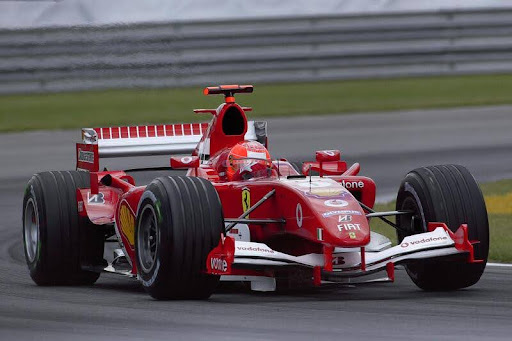
Even amateur racers can get a taste of pro-level speed—some experiences let you drive real F1-style
So you’ve got the need for speed, and now you’re wondering: how do regular people get into amateur racing in the U.S.? Good news, you don’t need a Formula 1 background or a million-dollar car to get behind the wheel and hit the track. Whether you want to compete for trophies or just feel the thrill of a timed lap, amateur racing is surprisingly accessible if you know where to start.
Let’s break it down step-by-step so you can turn that dream into reality.
What is amateur racing, and who can join?
Amateur racing is exactly what it sounds like: motorsport for non-professionals. That means anyone with the right mindset, a bit of training, and a safe vehicle can participate. You don’t have to be an expert mechanic or a seasoned driver. You just need to love driving and be willing to learn.
In the U.S., amateur racing is hugely popular and includes everything from autocross and road racing to rally and drag racing. Events are often run by national organizations or local clubs, and many welcome complete beginners.
Do I need a racing license to compete?
Yes, in most cases. Think of it like getting a hunting or fishing license; it’s a way to prove you’re following the rules and driving safely. For most entry-level series, you can get a basic competition license through organizations like the SCCA (Sports Car Club of America) or NASA (National Auto Sport Association).
You’ll typically need to take a one-day class or driving school to qualify. Don’t worry, they walk you through it, and it’s way less intimidating than it sounds.
What type of racing is right for me?
This comes down to budget, location, and personality. Here are some popular formats:
- Autocross: Short, timed courses set up in parking lots. Low cost, minimal risk.
- Track days (HPDE): Non-competitive lapping sessions on real race tracks. Great for learning.
- Time Trials: Racing against the clock, not other cars. Next step after track days.
- Rally: Off-road timed runs on dirt or gravel roads. More adventurous.
- Drag racing: Straight-line racing over a quarter mile. All about power and reaction time.
Ask yourself: Do I want tight, technical courses? High speeds? Off-road challenges? Start by attending a few local events as a spectator to get a feel for the vibe.
What kind of car do I need for amateur racing?
Believe it or not, many amateur racers use their daily drivers. Especially for autocross and beginner track days, you don’t need anything fancy.
As you move up, you might want a car with performance tires, better brakes, or a roll cage, but you don’t need to jump into that right away. Some people even rent track-ready cars to try before they buy.
What gear and safety equipment should I get first?
Safety comes first in racing, even on the amateur level. The most basic piece of gear you’ll need is a certified racing helmet (look for SA2020 or newer ratings). That’s usually enough for autocross or track day events.
Once you get more serious, you’ll need:
- A fire-resistant racing suit
- Racing gloves and shoes
- Roll cage and racing harness (for certain race types)
- Fire extinguisher mounted in the car
Check the rulebook of the organization you’re racing with; they all have safety guidelines.
How do I find local amateur racing events?
The best way to get started is by joining a local racing club or motorsport group. Big names like SCCA and NASA have regional chapters all across the U.S. You can find events through their websites or motorsports forums.
Other ways to stay in the loop:
- Search Facebook groups for local car clubs
- Visit your nearest race track’s website for event calendars
- Ask at local auto shops or tire stores, they often know what’s happening nearby
Once you find an event, sign up online, read the event rules, and show up early. It’s that simple.
What does it cost to start amateur racing?
Here’s a rough idea of what you might spend:
- Autocross or HPDE entry fee: $40– $200 per event
- Helmet: $300–500
- Track tires (optional at first): $600+
- Performance brakes/fluids: $200–400
- Basic car prep/inspection: $100–200
You can get started for under $1,000 if you already have a suitable car and buy budget gear. It gets more expensive as you go, but it doesn’t have to break the bank. Many racers share tools and even car parts to cut costs.
Should I join a racing club or community?
Absolutely. Not only does it make racing more fun, but it also opens doors. Clubs provide access to private events, track time, group discounts, and mentorship opportunities.
Plus, you’ll learn a lot faster when you’re surrounded by people who’ve been doing it for years. Whether you’re trying to shave a second off your lap time or wondering how to install brake pads, there’s someone willing to help.
How do I improve my racing skills as a beginner?
There are two key ways to get better:
- Seat time: The more you drive, the more confident you get.
A well-maintained sedan, coupe, or hatchback can get the job done.
Attend as many events as you can, even just to practice.
- Education: Look into beginner racing schools, YouTube tutorials, or sim racing. Yes, video games like iRacing or Assetto Corsa can seriously help you learn tracks and driving techniques.
Track your progress with lap times or feedback from instructors. Don’t stress about winning, focus on clean driving and improvement.
Final thoughts: What’s the best way to get started in amateur racing?
Start small. Don’t worry about having the perfect car or all the gear right away. Go to an event, talk to people, and ride along with someone if you can. Then sign up for your first autocross or track day.
Once you take that first step, everything gets easier. You’ll start learning the ropes, building your skills, and maybe even falling in love with the sport. It all starts with one lap.
FAQ: Quick Answers for Beginner Racers
Q: Can I race without modifying my car? A: Yes, especially for autocross and beginner track events. A stock car in good shape is often all you need.
Q: Is amateur racing dangerous? A: All motorsports carry risk, but amateur events have strict safety rules to keep drivers protected. Most incidents are minor.
Q: How old do you have to be to race? A: Most organizations allow drivers as young as 16 with a valid license, but it depends on the event.
Q: Do I need insurance for amateur racing? A: Regular car insurance usually doesn’t cover racing. Some events offer one-day insurance policies.
Ready to hit the track? Start by finding a local event or club and get your helmet ready. The racing world is full of friendly folks who remember being in your shoes.
About the Author