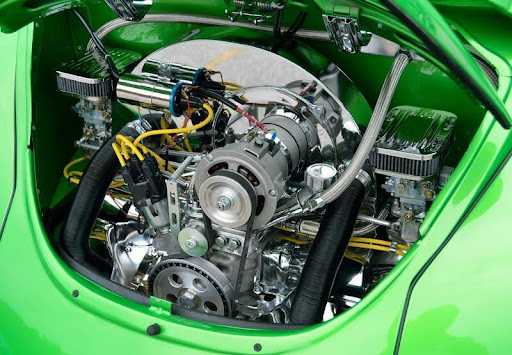
Pushing limits where it’s legal—track days let tuned cars show off their true potential.
So you want to tune your car for better performance. Who doesn’t want a little more power, sharper handling, or that satisfying growl from the exhaust? But before you start swapping out parts or adjusting your ECU, there’s one big question to answer: Is it legal?
Let’s dive into the world of legal car mods in the U.S. We’ll break it down into what you can (and can’t) do when it comes to your engine, exhaust, suspension, and more, without getting hit with a fine or failing your next inspection.
What Are the Legal Limits for Tuning Your Car in the U.S.?
The short version? It depends on where you live. In the U.S., both federal and state laws come into play. The Environmental Protection Agency (EPA) sets national standards, especially for emissions. Then individual states, like California with its strict CARB rules, can add even tighter restrictions.
You need to know what your state allows. A mod that’s legal in Texas might not fly in California. Some states require emissions testing; others don’t. Don’t assume a mod is street-legal just because you can buy it online. Always check local laws and consult your state’s DMV website before making changes.
How Can You Legally Tune Your Engine?
Start with the basics: improving airflow and fuel delivery. Upgrading your air intake or fuel injectors can boost performance, and many options on the market are legal for street use, as long as they don’t mess with emissions.
Want to remap your ECU? You might be able to, but there’s a catch. If your tune disables emissions controls or affects how your car handles emissions, it’s not legal for street use under EPA rules. However, there are ECU tunes designed to stay within legal limits. Look for CARB-approved options if you’re in a state that follows CARB guidelines.
Bolt-on parts like turbo kits or superchargers can also be legal, but only if they don’t interfere with emissions components and come with the right certification. Always read the fine print.
What Exhaust Mods Are Legal in the U.S.?
You can upgrade your exhaust system, but you can’t just yank out your catalytic converter or install the loudest muffler you can find. Federal law requires emissions equipment to stay intact. That means your cat has to stay in place, and it has to work.
You can still get a performance exhaust system, just make sure it’s designed to meet both noise and emissions standards. In states like California, look for exhaust systems with a CARB EO (Executive Order) number.
This tells you it’s been approved for use on public roads.
Noise is another factor. Most states have decibel limits for how loud your exhaust can be. These limits vary, so again, check local regulations before going for that aggressive sound.
Can You Legally Modify Suspension and Handling?
Yes, within reason. Upgrading your suspension for better handling is legal, but extreme changes can be a problem. Lowering your car too much or lifting it too high might violate ride height laws or create safety issues.
You can legally upgrade to aftermarket shocks, coilovers, sway bars, and control arms, as long as the car remains safe and roadworthy. In some states, there are specific rules about how far you can modify your suspension. For example, headlights usually can’t be below a certain height, and your bumper has to stay within a legal range, too.
Don’t forget the alignment. A car with extreme camber might look cool, but it could raise red flags during inspection.
What About Wheels, Tires, and Brake Upgrades?
Larger wheels? Wider tires? High-performance brake kits? Yes, yes, and yes, if done right.
The key is to stay within your manufacturer’s recommended specs for rolling diameter. Go too big or too small, and you can mess with your speedometer or even your ABS. That could lead to safety issues or failed inspections.
Brake upgrades are usually fair game and often encouraged for performance builds. Just make sure they’re properly installed and DOT-approved.
Are Lighting Mods Like Underglow or LED Swaps Legal?
Yes, some are. But lighting laws can get weirdly specific. You can usually swap out bulbs for LEDs, but color matters. For headlights, you typically have to stick with white or amber in the front and red in the rear. Blue, purple, or flashing lights? Not legal.
Underglow lighting is legal in many states as long as it’s not flashing, not blue or red, and not visible from the front or rear. And definitely not used while driving. It’s mostly for show when parked.
Make sure your lighting changes don’t distract other drivers or mimic emergency vehicles. That’s a fast track to getting pulled over.
Can You Change the Interior Legally?
Swapping seats, adding harnesses, or installing a new steering wheel can all be done legally, but with caveats. If your car came with airbags, you can’t just remove them. The same goes for any part of the safety system.
If you’re adding racing seats and harnesses, they must be DOT-approved and properly mounted.
Improperly installed seats or belts can be dangerous and illegal.
As for interior tech? Upgrading your stereo, adding a backup cam, or swapping the gauge cluster can be fine, just make sure nothing interferes with your airbags or driver visibility.
What’s the Best Way to Stay Street-Legal While Modding Your Car?
Here’s the golden rule: if you’re not sure, check. Look for parts that say “50-state legal” or have a CARB EO number. Stick with reputable brands that follow federal and state guidelines.
Save your stock parts. If you ever need to pass a strict inspection, it’ll be a lot easier to revert back. Plus, it helps resale value.
Get your mods installed by a pro or double-check your own work. Safety first. And finally, get familiar with your local vehicle code. You’ll be surprised how many people get tickets for stuff they thought was totally legal.
Final Thoughts: Yes, You Can Tune Your Car and Still Be Legal
Tuning your car doesn’t mean giving up your license or dodging the law. With a little research and smart choices, you can boost your car’s performance and stay totally legal.
Stick to mods that play nice with emissions and safety laws. Don’t mess with things that could land you in trouble at inspection time. And most of all, enjoy the process.
Love working on your car? Share your favorite legal mods or questions below. Let’s keep the conversation going.
FAQ: Legal Car Mods in the U.S.
Can I tune my car and still pass emissions? Yes, as long as the tune doesn’t disable emissions controls or sensors. Use emissions-compliant ECU tunes.
Is it legal to remove my catalytic converter? No, removing or bypassing your catalytic converter is illegal under federal law.
Can I install a cold air intake legally? Yes, if it’s CARB-approved or marked as street-legal in your state.
Are straight pipes legal in any state? Rarely. Most states require a functioning muffler and catalytic converter.
Do I need to notify the DMV about modifications? Usually not, unless the mod changes your car’s classification or structure.
About the Author