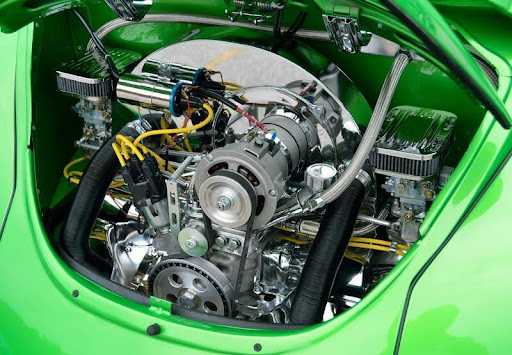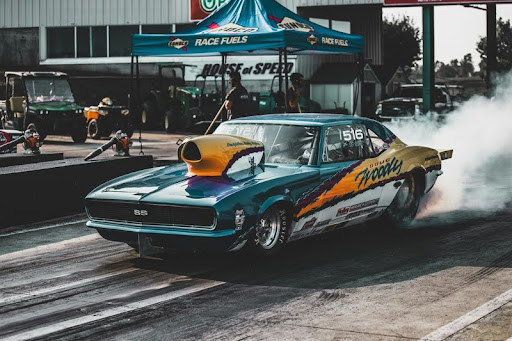
A glimpse of where the racing journey begins—track-ready machines meet serious training grounds.
So, you’ve got the need for speed and you’re dreaming of the racetrack. Whether it’s IndyCar, NASCAR, or just mastering the art of high-performance driving, you’re not alone. Every year, thousands of Americans, young and old, ask themselves the same question: How do I become a race car driver? One of the smartest first moves? Enroll in a top-notch racing school.
Let’s break it down and help you navigate the world of racing education, minus the hype and flashy ads.
Why Go to a Racing School in the First Place?
Simple: because talent alone won’t cut it. Professional racing isn’t just about speed; it’s about precision, safety, and strategy.
Racing schools give you structured training on high-performance driving. They teach the mechanics of handling a race car, understanding track dynamics, and making split-second decisions. More importantly, they help you build habits that keep you and others safe on the track. Think of it like driver’s ed on steroids.
Plus, these programs give you access to instructors who’ve lived the life and tracks where real competitions happen. Whether you’re aiming for the big leagues or just want to dominate your local amateur circuit, formal training sets the foundation.
What Should You Look for in a Racing School?
Not all racing schools are created equal. Here’s what matters:
1. Accreditation or Affiliations: Look for programs tied to racing organizations. This often means higher standards and pathways to licensing.
2. Types of Racing: Are you into open-wheel cars? Stock cars? Drag racing? Make sure the school specializes in the kind of driving you want to pursue.
3. Instructor Experience: You want seasoned pros, not just fast drivers, but great teachers.
4. Facility Quality: Tracks, cars, and safety gear all should be well-maintained and professional-grade.
5. Course Options and Flexibility: From weekend crash courses to multi-week intensive programs, make sure the format fits your lifestyle.
6. Cost vs. Value: Some schools charge a premium, but does the training justify the price? Ask what’s included and whether it leads to licensure.
Pro tip: read reviews, call and ask questions, and don’t be afraid to trust your gut.
What Kinds of Programs Do Racing Schools Offer?
You’ve got options, lots of them.
Beginner Programs: Perfect for folks with zero track time
You’ll learn the basics of race car handling, braking, cornering, and safety procedures.
Intermediate to Advanced Courses: Already have some driving chops? These courses help sharpen your technique and introduce competitive racing strategies.
Licensing Programs: Want to compete in real races? These are your gateway. Completing one of these programs may qualify you for a racing license through recognized sanctioning bodies.
Youth or Teen Programs: Tailored for younger drivers, often focusing on karting or entry-level vehicles. Great for building skills early.
Classroom-Only or Sim Training: Some schools offer modules with heavy theory or high-end racing simulators. Helpful for building mental reflexes without burning rubber.
Whatever your level, there’s likely a program built for you.
How Do You Choose the Right Racing School for Your Goals?
Think about this: What do you want out of racing? Are you chasing a professional career? Looking for an adrenaline-filled hobby? Or trying to work in the industry (say, as a test driver or instructor)?
Once you’ve got your goals clear, match them to the right school. If you’re aiming to go pro, look for programs that offer licensing and advanced instruction. If you’re more about fun or casual competition, an introductory course with a mix of track and sim training might be just right.
Also consider location, how far are you willing to travel? Some top schools are in motorsport hubs, while others might be a short drive from your home.
And don’t forget to factor in scheduling. Can you take time off work for a week-long program, or do you need something that fits into a weekend?
Tips to Get the Most Out of Your Racing School Experience
Here’s how to show up like a pro, even if you’re brand new:
- Get in shape. Racing takes more stamina than you might think. Good physical condition helps with focus and endurance.
- Do your homework. Read up on driving theory and watch races with a critical eye. Learn the language.
- Ask questions. Your instructors are there to help. Don’t hold back.
- Listen to feedback. Ego off, ears open.
- Stay humble. Even top drivers keep learning. Treat every session like it matters, because it does.
What Happens After You Finish Racing School?
Graduating from a racing school isn’t the end; it’s just the green flag.
After you’ve completed your program, you may be eligible to apply for a competition license. That opens the door to sanctioned amateur or pro events.
Some drivers join karting leagues or club racing to gain real-world experience.
Others look for sponsorships, team connections, or even apprenticeships to start climbing the ladder.
And of course, many keep going back to school to level up their skills. Like any serious sport, racing is about constant growth.
So, Is Racing School Worth It?
Absolutely, if you’re serious about the sport.
Whether you dream of Daytona or just want to learn how to handle a car like a pro, racing school gives you tools you won’t find anywhere else. And in a world where precision can mean the difference between winning and wrecking, that training is priceless.
So if your heart races every time an engine revs and you’ve been wondering where to start, this might just be your sign.
Frequently Asked Questions (FAQ)
What’s the best age to start racing school? You can start as young as 8–10 in some youth karting programs. For adult schools, teens and up are usually welcome. There’s no “too old” if you’re healthy and passionate.
How much does racing school cost? Costs range from $500 for short courses to over $5,000 for multi-day programs with licensing. It depends on the length, track time, and type of vehicle.
Do I need a driver’s license to enroll? Most schools require a valid driver’s license for adult programs. Youth programs often don’t.
Can a racing school help me become a professional driver? Yes, but it’s just the first step. You’ll need experience, connections, and funding to go pro.
Is racing school dangerous? There are risks, but professional schools follow strict safety protocols to minimize danger. You’ll wear safety gear and be trained to handle emergencies.
Ready to take the wheel? Start researching schools that match your goals, and maybe even book a discovery call or visit. Your racing journey starts with that first step onto the track.
About the Author