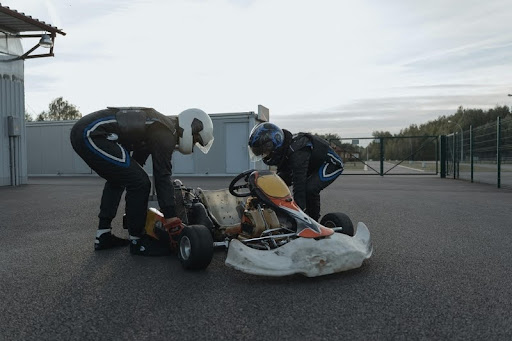
Getting geared up—track days start with safety and a solid game plan.
Thinking about taking your car to the track for the first time? Exciting, right? A track day is one of the most thrilling ways to experience your car beyond the daily grind of traffic lights and grocery store runs. But before you jump in, there’s a bit of prep involved for both your car and yourself. Whether you’re a total newbie or you’ve done a few autocross events, this guide breaks everything down in a clear, approachable way. Let’s hit the road.
What is a track day, and why should you care?
A track day is a controlled motorsports event where drivers can take their own cars onto a racetrack without the pressure of competition. It’s not a race. There’s no trophy. Just you, your car, and the open pavement. The goal? Improve your driving skills, safely push your vehicle’s limits, and have a blast doing it.
Events usually range from beginner-friendly sessions with instructors to more advanced open lapping days. Each track day has its own rules, schedules, and requirements, so it’s important to know what you’re signing up for.
How do you get your car ready for a track day?
Start with a safety check. Your car doesn’t have to be a purpose-built race machine, but it does need to be in solid mechanical shape. A track day will push your car harder than any Sunday drive.
Key areas to inspect:
- Brakes: Make sure your pads have plenty of life and your brake fluid is fresh. Spongy brakes? That’s a no-go.
- Tires: Check tread depth and tire pressure. No bald spots, no dry rot. You’ll likely want to increase pressure slightly before hitting the track.
- Fluids: Oil, coolant, transmission fluid, and brake fluid all need to be topped off and cleaned.
- Suspension & steering: Any looseness or clunking means it’s time for repairs before you go all out on a turn.
Strip the weight. You don’t need to gut the interior, but remove anything that could fly around while you’re driving: floor mats, water bottles, gym bags, tools, all that stuff should go.
Double-check safety basics. Make sure the battery is secured, your seat belts work properly, and you have no fluid leaks. Some events require a fire extinguisher mounted in the car, so check the track’s rulebook.
What gear do you need to bring for a track day?
Most beginner-friendly events in the U.S. require at least:
- A DOT-approved helmet (Snell ratings are even better; check your event requirements)
- Long pants and closed-toe shoes
- A valid driver’s license
Optional but helpful:
- Driving gloves
- A tire pressure gauge
- A torque wrench to check lug nuts
- Folding chair, water, snacks, and shade if the paddock area doesn’t have cover
Trust us, a canopy and a cooler of water go a long way on hot pavement.
How should you mentally and physically prepare?
Don’t underestimate the toll a day at the track can take. You’re going to be focused, likely a little nervous, and physically active.
Get a good night’s sleep. Showing up tired or hungover is a terrible idea.
Stay hydrated and eat right. Bring water and healthy snacks. Avoid sugary energy drinks that might spike and crash your focus.
Manage the nerves. It’s completely normal to feel butterflies. Focus on learning and staying safe. You’re not out to set lap records, you’re there to have fun and improve.
What is track etiquette, and why does it matter?
Track etiquette keeps everyone safe and having a good time. Here’s what you need to know:
Learn the flags. Each flag has a specific meaning. For example:
- Yellow = caution
- Red = stop safely
- Black = you need to pit
- Checkered = session over
Your instructor or event organizer will go over this in the driver’s meeting. Don’t skip it.
Passing rules. In most beginner groups, you can only pass when the car ahead gives you a “point-by.”
Be aware. Check your mirrors often. Stay off the racing line if you’re letting someone by. Don’t block faster traffic.
Be respectful. Nobody wants to be that driver. Stay cool, calm, and collected. You’re not racing.
What should your day-of track checklist include?
Before you even turn the key, make sure you:
- Register and pass tech inspection
- Check tire pressures (hot and cold)
- Re-check lug nut torque
- Top off fuel and fluids
- Clear out loose items again
Bring cash or a card for fuel if the track has pumps. Some don’t. You’d be surprised how fast a tank drains at full throttle.
Also, wear sunscreen and take breaks. It’s easy to forget how much sun and heat you get out on the tarmac.
What should you do after the track day ends?
When your final session wraps up, give your car time to cool down. Let it idle a bit before shutting it off.
Then do a quick post-run check:
- Brake wear
- Tire condition
- Fluid levels
- Any weird noises or new vibrations
Driving home? Make sure everything feels solid. If something seems off, it’s worth stopping to inspect or calling for help.
Back home, take time to reflect. What did you learn? What can you work on next time? That’s the real win.
Why does all this prep matter?
Simple: a well-prepared car and focused driver make the entire experience safer, smoother, and way more fun. Nobody wants to lose track time over a loose lug nut or overheating brakes. A little effort up front saves you headaches later.
And let’s be honest: pushing your car in a safe, controlled environment is a thrill. You’ll walk away grinning and itching to sign up for the next one.
FAQ: Track Day Basics
Do I need a sports car to go to a track day? Nope. Many stock cars are track-worthy as long as they’re in good mechanical condition.
Is track insurance required? Not always, but your regular car insurance usually won’t cover you on the track. Check your policy or consider short-term track day insurance.
Can I bring passengers? Depends on the event. Some allow instructors or guests in the passenger seat. Check with the organizer.
Do I need special tires or brakes? Not for your first time. But high-performance tires and upgraded brake pads can help once you get more serious.
What if it rains? Track days usually run rain or shine. In fact, driving in the rain is a great way to build car control skills.
About the Author