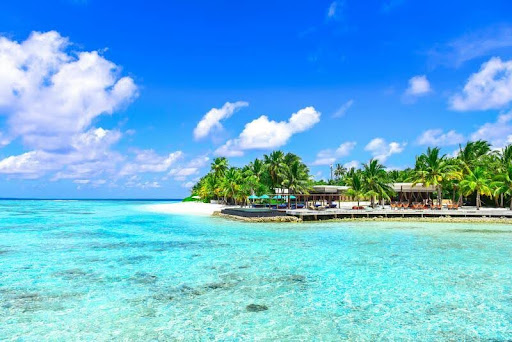
Summer in full swing—warm waters, blue skies, and the perfect beach day vibe.
Let’s be honest, nothing kills a beach day faster than stepping into freezing water when you thought it’d be nice and warm. Whether you’re a casual swimmer, a devoted surfer, or someone who just loves floating around, knowing what water temperatures to expect can make or break your time at the beach.
So if you’re wondering, “When’s the best time to hit the beach without freezing my toes off?”, you’re in the right place.
This guide breaks down how ocean water temperatures change by season, what affects them, and how those changes impact your beach experience. We’ll walk through everything from regional differences to which seasons are best for swimming. No fluff, no hype, just useful info so you can plan your beach trips smarter.
Why Does Ocean Water Temperature Matter?
In short: comfort, safety, and knowing what to pack.
If you’re planning to swim, snorkel, or surf, water temperature plays a big role. Cold water can cut your swim short, while warmer temps feel great, but may come with their own challenges (like more marine life or stronger bacteria growth in some areas).
Plus, ocean temperatures can be surprisingly different from what the air feels like. Just because it’s 85°F outside doesn’t mean the water is warm. So yeah, checking water temperature is just smart beach prep.
How Is Ocean Water Temperature Measured?
Ocean temps are usually measured at the surface (about 1–2 meters deep) using buoys, satellites, or nearshore sensors. You’ll often see readings listed in degrees Fahrenheit in the U.S. (though some international sources use Celsius).
The National Oceanic and Atmospheric Administration (NOAA) and other coastal monitoring services track this stuff, and you can easily look up live data on their websites or through weather apps.
What Affects Ocean Water Temperature?
Here’s what really stirs the pot:
- Latitude: Beaches closer to the equator (like Florida or Hawaii) stay warmer year-round.
- Ocean currents: Cold-water currents (like the California Current) can keep water chilly even in summer.
- Wind and weather: Wind direction can push warm surface water away, pulling up colder water from below, a process called “upwelling.”
- Seasonal changes: Water warms and cools more slowly than air, so the ocean takes time to catch up.
All of this means water temperatures aren’t just about where you are, they’re about when you go.
Spring Water Temperatures: Is It Warm Enough to Swim Yet?
Not quite, but it’s getting there.
Spring can be a mixed bag. While the weather may start heating up, the water often lags behind. Depending on the region, spring ocean temps can range from the mid-50s to mid-60s°F (or cooler on the West Coast).
If you’re thinking of diving in around March or April, especially on the Pacific side, you’re going to feel it. May usually starts to show improvement, but unless you’re in a warmer southern area, spring often means wetsuit season.
Summer Water Temperatures: When Does the Ocean Feel Warmest?
Summer is your sweet spot.
By June, water temperatures start catching up with the air. Most beaches across the U.S. hit their peak warmth between July and early September, with surface temperatures ranging from mid-60s°F to the low 80s°F, depending on the location.
On the Gulf Coast or in southern parts of the Atlantic coast, the water can feel like bathwater. On the West Coast? Still cooler, but more tolerable for swimmers and surfers, usually with wetsuits if you’re staying in long.
If you’re planning water-heavy beach activities, this is the best time to go.
Fall Water Temperatures: Is Fall a Good Time to Visit the Beach?
Yes, and it’s totally underrated.
Here’s a little secret: water stays warm into early fall, especially in September. The ocean holds heat from summer, so water temps often remain in the 70s°F through the early part of the season.
Fall also means fewer crowds, cheaper travel rates, and milder weather. October and even early November can still offer swimmable conditions in some places. Just keep in mind, temps will start dropping steadily by late fall.
Winter Water Temperatures: How Cold Does It Really Get?
Brace yourself, it gets chilly.
Winter is the coldest season for ocean water, no surprise there. Depending on the coast, you’re looking at temperatures in the low 50s°F or even 40s°F, especially on the East and West Coasts.
While some brave souls and die-hard surfers still head out, winter is mostly off-season for water-based fun unless you’ve got a thick wetsuit and a tolerance for cold.
That said, the Gulf and parts of the Southeast stay relatively warmer, which might still give you a shot at dipping your toes in.
How Do Water Temperatures Vary by U.S. Region?
Let’s break it down coast by coast.
East Coast (Atlantic Ocean)
- Bigger seasonal swings.
- It can be warm in summer (up to low 80s°F) and cold in winter (down to mid-40s°F).
- Spring and fall can vary a lot depending on latitude.
West Coast (Pacific Ocean)
- Cooler overall due to upwelling and the California Current.
- Water often stays between mid-50s°F and mid-60s°F, even in summer.
- Wetsuits are common most of the year.
Gulf Coast
- Warmest waters overall.
- Summer highs in the mid-80s°F.
- Mild winters with temps often staying in the mid-60s°F or higher.
U.S. Islands & Territories
- Tropical regions (like Hawaii or Puerto Rico) are warm year-round.
- Water temperatures are typically in the upper 70s to low 80s°F, with minimal seasonal variation.
What Water Temperatures Are Best for Swimming?
Let’s break it into ranges:
- Below 60°F: Too cold for most people without a wetsuit.
- 60–70°F: Swimmable for short periods; may feel chilly.
- 70–78°F: Comfortable for most swimmers, ideal range.
- Above 80°F: Very warm, feels great, but may be more prone to bacteria or jellyfish in some areas.
Pro tip: Always check local advisories, especially if you’re swimming in very warm water.
What’s the Best Season for Surfing, Snorkeling, or Diving?
- Surfing: Depends on swell patterns more than water temp, but fall and winter are great for waves (just bundle up).
- Snorkeling/Diving: Late summer and early fall offer the warmest, clearest waters with the best visibility.
For any of these activities, always consider that gear, wetsuits, rash guards, and fins can make or break your experience.
How Can I Check Real-Time Ocean Water Temperatures?
There are a few reliable ways:
- NOAA’s website for national data
- Surfline and Magicseaweed for surf conditions and water temps
- Local beach or weather apps that track the tide and water temperature
Always double-check the source and make sure you’re looking at recent readings.
What Should I Pack for the Beach Based on Season?
Here’s a quick seasonal checklist:
Spring
- Wetsuit or rash guard
- Towel and windbreaker
- Sunscreen (UV is still strong!)
Summer
- Swimsuit
- Water shoes or sandals
- Lightweight clothing and extra sunscreen
Fall
- Layers (it cools down quickly)
- Wetsuit or long-sleeve swimwear
- Extra towels or blankets
Winter
- Wetsuit for swimming or surfing
- Thermals and wind protection
- A warm drink doesn’t hurt either
Final Thoughts: Know Before You Go
Water temperature might not be the first thing you think about when planning a beach day, but it should be. It affects how long you’ll stay in the water, what kind of gear you need, and how enjoyable your beach trip will be.
By understanding how the ocean changes through the seasons, you’ll not only stay more comfortable, but you’ll also get more out of every trip. So next time you’re checking the weather, take a second to check the water too. Your future beach self will thank you.
FAQs: Seasonal Water Temperatures at U.S. Beaches
What month has the warmest ocean water in the U.S.?
August is typically the warmest month for ocean water, especially along the Gulf and Southeast coasts.
How cold is ocean water in winter?
It can drop to the 40s°F or 50s°F, depending on the coast, definitely cold without a wetsuit.
Is 70°F water too cold to swim in?
Not necessarily! Many people find it comfortable, especially on hot days, but others may prefer wetsuits at that temperature.
Do ocean temperatures change fast?
Not usually. Water warms and cools more slowly than air, so changes happen gradually over weeks or months.
About the Author