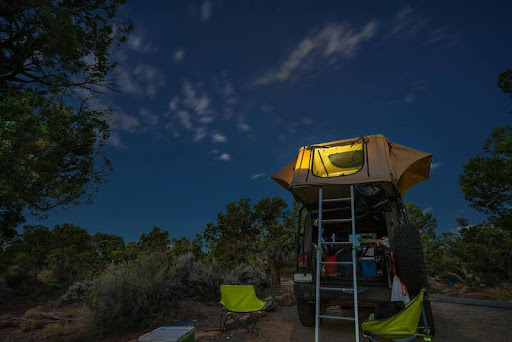
Camping under the stars—one of the many rewards of planning ahead with a permit.
Thinking about heading into the great outdoors? Whether you’re planning a quiet overnight in the backcountry or just want to snag a campsite for the weekend, there’s one thing you’re probably going to need: a permit.
Yeah, we know, it’s not the most exciting part of planning a trip. But skipping the permit process can seriously backfire. So let’s break it all down and make it simple, so you can focus on what really matters: fresh air, wide open views, and maybe a s’more or two.
Why Do You Need a Permit to Camp or Hike in National Parks?
Permits help protect the land, manage crowds, and keep everyone safe.
National parks are some of the most beautiful and most popular places in the country. Millions of people visit every year. Without permits, certain areas would get overcrowded fast, which could damage trails, disrupt wildlife, and make emergency response way harder.
Permits also help rangers know where people are camping or hiking, which is a big deal in case of search-and-rescue efforts or wildfires. So while it may feel like red tape, the system’s there for good reasons.
What Kind of Permit Do You Need for Hiking or Camping?
It depends on where you’re going and what you’re doing.
Not all permits are the same. Here’s a quick breakdown of the most common types you might need when planning a trip to a U.S. national park:
Backcountry Permits
These are for folks who want to hike into the wilderness and camp overnight. Think long trails, remote zones, and zero hookups. You’ll usually need to tell the park when you’re going, where you’re camping, and how many people are in your group.
Day-Use Permits
Some high-traffic spots limit daily visitors to avoid overcrowding. A day-use permit lets you hike, climb, or explore during daylight hours, with no overnight stay.
Campground Reservations
If you’re sticking to a designated frontcountry campground (you know, with picnic tables and maybe flush toilets), you’ll often need a standard reservation through a site like Recreation.gov.
Special Use Permits
Doing something out of the ordinary? Filming, group events, weddings, or research all usually require this kind of permit. These are less common for casual visitors, but still important to know about.
When Do You Need a Permit for a National Park?
You’ll need a permit anytime your trip falls into a regulated category, especially during peak season.
Some permits are required year-round, while others are seasonal.
Popular parks often roll out reservation systems in the spring and summer, when crowds surge. And even if it’s technically the off-season, certain trails or campsites may still require a permit due to fragile environments or weather risks.
To stay on the safe side: Always check the official park website before you go. Every park has its own rules and timelines.
How Do You Apply for a National Park Permit?
Most permits are available online through Recreation.gov or the park’s official site.
This part can feel overwhelming at first, but once you understand the basics, it’s not too bad. Here’s how it usually works:
- Find out what kind of permit you need. Start with the park’s website. They’ll clearly list what permits are required for hiking, camping, or other activities.
- Check the release dates. Some permits open up months in advance, while others are based on daily lotteries or rolling availability.
- Use Recreation.gov for most reservations. This is the go-to site for many national parks. You’ll create an account, search for your park and permit type, and follow the prompts.
- Have your info ready. You’ll often need to provide your trip dates, group size, trail entry and exit points, and payment details.
- Pay the fee. Prices vary, but expect anywhere from to depending on the permit.
💡 Quick tip: If you’re planning a trip for summer, start looking into permits at least 4–6 months in advance. Some spots get booked up in minutes.
What’s the Best Way to Get a Permit for a Popular National Park?
Be flexible, plan early, and don’t put all your eggs in one basket.
If you’ve got your heart set on a bucket-list trail or campsite, you’re not alone. Highly sought-after permits (like for certain iconic hikes or campsites) often use lottery systems to keep things fair.
Here’s how to improve your chances:
- Mark your calendar for release dates. Set an alarm. Set two.
- Be open to alternative dates. Midweek trips or shoulder season visits (spring or fall) can offer better availability and fewer crowds.
- Try different trailheads or zones. If your first choice is full, look at nearby options.
- Apply for the lottery. Many parks use random drawings to issue permits. You usually have to enter during a specific window, and you’ll be notified later if you win.
Even if you don’t win the lottery, don’t give up. Cancellations happen, and spots can open up later. Refresh that page. It works.
What Happens After You Get a Permit?
Congrats! Now it’s time to prep.
Once you secure your permit, make sure you:
- Print or download a copy. Some areas don’t have service, so bring a hard copy or save it on your phone.
- Review park rules. Some areas have fire bans, group size limits, or waste disposal guidelines.
- Stick to your plan. Permits are usually tied to specific dates, zones, and group sizes. Changing plans last minute might not be allowed.
- Know your cancellation and refund options. Policies vary. If you can’t go, cancel your permit so someone else gets a shot.
What If You Don’t Get a Permit?
You’ve still got options, don’t cancel your trip just yet.
If the permit you wanted is gone, here’s what you can try:
- Look for walk-up or same-day permits. Some parks set aside a limited number each day. You’ll need to get there early, really early.
- Explore lesser-known areas. Some parks have backup trails or smaller zones with easier access.
- Try again later. People cancel all the time. Keep checking online.
Avoid the temptation to go without a permit. Getting caught can mean serious fines, removal from the park, or even being banned from future reservations. Not worth it.
What Should You Know Before Hitting the Trail?
A permit is just the first step. You still need to be ready.
Once you’ve got your permit in hand, make sure you’re squared away on the basics:
- Check the weather. National parks can have extreme and unpredictable conditions.
- Pack smart. Don’t overdo it, but don’t underprepare either, especially for backcountry trips.
- Know Leave No Trace principles. Respect wildlife, pack out your trash, and stay on the trail.
- Tell someone your plan. Safety first, especially if you’re venturing into remote areas.
Final Thoughts: Is Getting a National Park Permit Worth It?
Absolutely. It’s a little effort up front that leads to a much better experience outdoors.
Permits help keep parks wild, safe, and accessible. And they make sure everyone gets a fair shot at exploring some of the most stunning places in the country. So don’t let the process intimidate you. With a little planning and a flexible mindset, you’ll be soaking in the views in no time.
✅ Quick FAQ: National Park Permits
Here are answers to some of the most common questions people ask about hiking and camping permits in U.S. national parks:
Do all national parks require permits to camp?
Not all, but many do, especially for backcountry camping or during peak seasons. Always check the park’s website first.
Can you get a walk-up permit on the same day?
Sometimes, yes. Some parks offer daily walk-up permits, but you’ll need to get there early and be flexible.
How far in advance should I apply for a permit?
Anywhere from 3 to 6 months before your trip. Some permits are released on a rolling basis, and others use a lottery system.
Is there a fee for getting a permit?
Yes, usually. Fees range from a few dollars to over, depending on the type of permit and the park.
Can I hike or camp without a permit if I don’t get one?
No. Unauthorized camping or hiking in restricted areas can result in fines or removal from the park.
Ready to Plan Your Trip?
If you’re thinking about visiting a national park, now’s the perfect time to start planning. Bookmark your favorite parks, check out Recreation.gov, and get familiar with the permit process before spots fill up.
About the Author