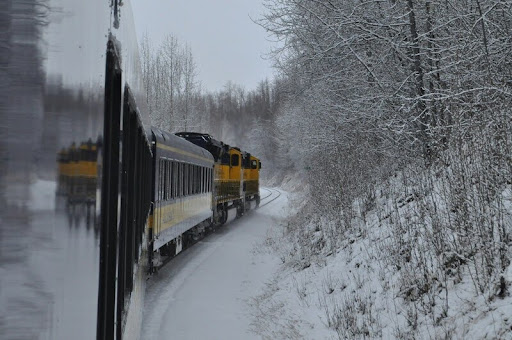
Trading runways for railways—this train rolls through a peaceful, scenic route, offering a travel experience that’s all about the journey.
Thinking about skipping the airport and hopping on a train instead? You’re not alone. More and more people are weighing Amtrak against flying, especially for regional trips. Maybe you’re tired of long TSA lines, or maybe the idea of stretching out your legs without bumping elbows sounds like a dream.
But is Amtrak actually worth it compared to flying?
Let’s dig into it. We’ll look at cost, time, comfort, convenience, and even the environmental impact, so by the end of this, you’ll have a pretty clear answer tailored to your travel style.
What’s Cheaper: Amtrak or Flying?
Short answer: It depends on where you’re going and how far in advance you book. But trains often win on total cost when you factor in all the extras.
Here’s the deal: Amtrak tickets can look pricey at first glance, especially if you’re booking last-minute or during peak travel seasons. But flying isn’t always the cheaper option either; airfare might seem low until you start adding baggage fees, seat selection fees, food, and transportation to/from the airport.
Let’s break it down:
- Amtrak: No baggage fees for up to two carry-ons and two checked bags. Plus, train stations are usually located downtown, saving you on Uber or parking.
- Airlines: Most budget carriers charge for everything beyond the base fare. Even a carry-on could cost you.
So if you’re traveling light and score a cheap flight during a sale? Flying might save you money. But if you’re bringing bags or prefer a straightforward price, Amtrak could be the smarter spend.
Which Is Faster: Amtrak or Flying?
Flying is usually faster for long distances, but trains can be competitive for shorter regional trips.
On paper, flying always looks quicker. Two hours in the air beats eight hours on a train, right? Not so fast. You have to factor in:
- Arriving 1–2 hours early for security
- Time getting to and from airports (often located far from downtown)
- Potential delays or layovers
- Waiting at baggage claim
A two-hour flight easily becomes a five-hour ordeal. Meanwhile, Amtrak lets you show up 30 minutes before departure, board with ease, and get off downtown at your destination. For trips under 300 miles (think NYC to DC, or LA to San Diego), the time difference can be surprisingly small or nonexistent.
Bottom line? If time is your top priority for long trips, flying wins. But for medium-distance routes, trains hold their own.
Is Amtrak More Comfortable Than Flying?
Absolutely. Amtrak trains offer way more space, less stress, and a generally calmer vibe.
If you’ve ever felt like a sardine on a plane, you’ll probably love the feel of a train seat. Amtrak gives you:
- Extra legroom (like, real legroom)
- No middle seats, it’s two and two
- The freedom to get up, walk around, and even visit the café car
- Bigger bathrooms and more room to store your stuff
On top of that, there’s no need to power down your devices or fight for elbow space. Want to stretch out and read, work, or nap without neck cramps? Trains are where it’s at.
Planes can feel cramped, chaotic, and loud. Trains are generally quieter, more spacious, and more laid-back. If you value comfort over speed, Amtrak takes the cake.
Which Is More Convenient: Amtrak or Flying?
Trains win in terms of boarding ease and central station locations, but flights offer more route options.
Let’s talk logistics. Airports often mean:
- Long drives or expensive taxis
- Parking headaches
- Security checks and waiting areas that feel like cattle pens
Amtrak stations? Usually downtown. You can walk, Uber, or take public transit easily. You board like it’s a bus, no metal detectors, no shoe removal, no rush.
But here’s the catch: airlines serve way more cities and have more frequent departures. If you’re traveling cross-country or to a rural destination, flying gives you more flexibility. Amtrak coverage is decent but still limited compared to air routes.
Still, for travelers heading to or from major urban hubs, train travel is super accessible and low-hassle.
What About Wi-Fi, Charging, and Work-Friendly Travel?
Amtrak offers a better workspace vibe, but it’s not always reliable.
If you’re planning to work or stream during the ride, you’ll probably prefer the train. Most Amtrak routes offer:
- Free Wi-Fi (though it’s basic)
- Outlets at every seat
- Tables for laptops in some cars
- Quiet cars for focused work
Airlines are catching up, but Wi-Fi often costs extra, and charging ports aren’t guaranteed, especially on budget carriers. Working on a plane can be cramped and uncomfortable.
That said, don’t count on flawless Wi-Fi on Amtrak either. It’s fine for emails and light browsing, but not ideal for video calls or streaming shows all day.
How Does the Environmental Impact Compare?
Trains are more eco-friendly than planes, hands down.
If sustainability matters to you, Amtrak has a clear edge. According to the U.S. Department of Energy, trains use about 30% less energy per passenger mile than planes.
That means a significantly smaller carbon footprint.
Planes are fuel-hungry and release more CO₂, especially during takeoff and landing. Trains, while not perfect, offer a greener way to travel, especially on electric or regional rail lines.
So if you’re trying to reduce your environmental impact, choosing Amtrak is one small way to help.
When Should You Take the Train Instead of Flying?
Go with Amtrak if you value comfort, want a relaxing ride, or are traveling short-to-medium distances.
Think about your trip. Are you traveling with kids or seniors who need extra space? Do you hate airport stress? Would you rather see the countryside roll by than squeeze into a packed plane?
Here are times when Amtrak is often the better choice:
- Regional trips between major cities
- Business travel where you want to work in peace
- When delays or cancellations at airports are common (hello, winter storms)
- When you have a flexible schedule and want to avoid airline stress
Meanwhile, choose flying when:
- Time is your top priority
- You’re traveling across the country or internationally
- You need a more frequent or flexible schedule
Final Thoughts: So, Is Amtrak Worth It Compared to Flying?
Honestly? It depends on your priorities. If you’re all about speed and points, flying might be your thing. But if you’re craving comfort, ease, and a travel experience that feels a little more human, Amtrak delivers in a big way.
It’s not always the fastest, but it can be way less stressful, and sometimes even cheaper, all things considered.
So next time you’re planning a trip, ask yourself:
Do I want to rush through airports, or do I want to enjoy the journey?
You might just find that the train is the ride you didn’t know you needed.
FAQ: Amtrak vs Flying – Quick Answers
Q: Is Amtrak cheaper than flying? A: Sometimes. Train tickets include bags and downtown station access, while flying often includes hidden fees. It depends on your route and timing.
Q: How long does Amtrak take compared to flying? A: Flying is faster in the air, but train travel can be competitive for short routes when you factor in airport time.
Q: Is the Amtrak train comfortable for long trips? A: Yes. Amtrak seats offer more legroom, recline further, and let you move around, making it more comfortable than most economy flights.
Q: Can I work on Amtrak during the ride? A: Definitely. Most trains have outlets, tables, and quiet cars, though Wi-Fi can be slow on some routes.
Q: What’s better for the environment, a train or a plane? A: Train. Amtrak travel produces fewer carbon emissions per mile than flying, making it a more eco-friendly option.
Planning a trip soon? If you’re torn between booking that flight or giving Amtrak a try, consider what matters most: comfort, speed, cost, or the experience itself. Let your travel style decide, and don’t be afraid to shake up your routine. Sometimes the journey is the destination.
About the Author