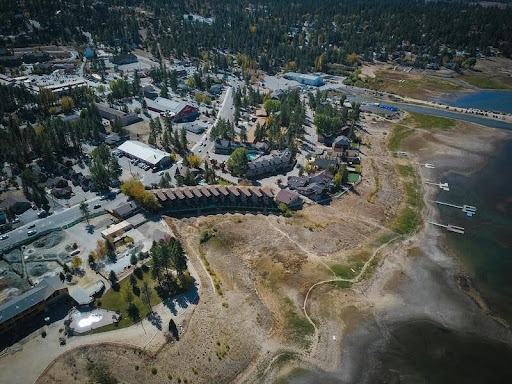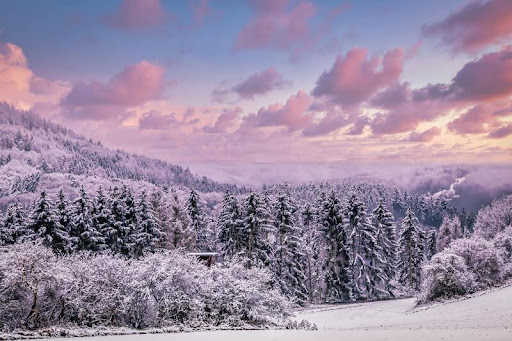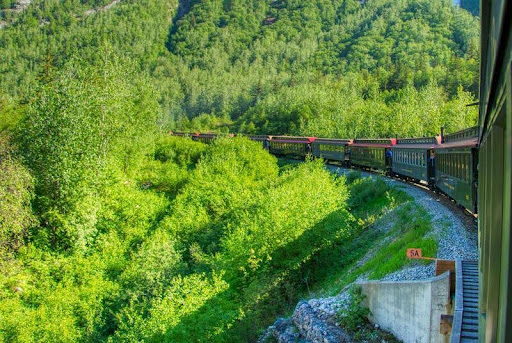
Rolling through the trees—train travel lets you see nature up close and unfiltered.
A Laid-Back Way to See America’s Most Breathtaking Views
Ever feel like travel has become too rushed? Like we’re always focused on the destination instead of the journey? If you’ve ever wanted to just sit back, relax, and actually enjoy the view, scenic train travel might be the answer. It’s not just about getting from Point A to Point B; it’s about watching America’s stunning landscapes roll by, mile by mile.
In this guide, we’re exploring the best scenic train routes across the U.S. (without naming names) and why hopping on a train could be your next unforgettable adventure.
Why Take a Scenic Train Route in the U.S.?
Train travel is a relaxed, comfortable way to soak in the scenery across different parts of the country. It’s slower than flying, sure, but that’s the point. You’re not in a rush. You’re there for the journey. Trains often glide through mountain passes, hug rugged coastlines, and snake through remote areas that highways simply can’t reach.
Plus, many trains in the U.S. offer wide windows or observation cars, so you’re not stuck craning your neck like you might in a cramped airplane seat. You can stretch out, sip your coffee, and watch the world change right outside your window.
What Makes a Train Route “Scenic,” Anyway?
Good question. Not every train ride is created equal. A scenic route usually ticks a few key boxes:
- Diverse natural beauty: Think mountains, coastlines, deserts, rivers, and forests.
- Remote access: Trains cut through landscapes that cars can’t reach.
- Seasonal drama: Fall colors, winter snow, spring blossoms, it all depends on when you go.
- Interesting topography: Elevation changes, tunnels, bridges, switchbacks, and curves that reveal epic views.
And sure, beauty is subjective, but there’s something universally awe-inspiring about watching the sun set over a desert canyon or winding through a snow-covered forest.
How Is Train Travel Different from Flying or Driving?
Train travel feels more personal and more scenic. While flying offers speed and driving offers flexibility, trains hit a sweet spot. You’re not stuck behind the wheel. You’re not staring at clouds. You’re not dealing with TSA. You’re just… cruising.
Here’s what makes it stand out:
- No traffic, no stress: You won’t need to deal with GPS directions or gas stations.
- Big windows: You’ll actually see the places you’re passing through.
- Room to move: Walk around, grab a snack, or find a quiet seat.
- Eco-friendlier: Trains use less fuel per passenger mile compared to planes or cars.
It’s the kind of travel that invites you to slow down and really notice the landscape, whether you’re cutting through farmlands or rolling past mountain peaks.
What Are the Main Types of Scenic Train Routes in the U.S.?
Not all train routes look alike. Depending on where you’re heading, the view out the window could be drastically different. Here’s a breakdown of the major types:
Mountain Pass Train Routes
These routes climb high and offer jaw-dropping views of peaks, valleys, and winding trails. You might cross bridges suspended over deep ravines or disappear into tunnels carved into rock. If you love alpine scenery, snow-capped summits, and dramatic elevation changes, mountain routes are your jam.
Coastal Train Routes
Think waves crashing below, cliffs above, and endless ocean views. Coastal routes hug shorelines and give you front-row seats to some of the most peaceful (and powerful) scenery in the U.S. These rides can be especially beautiful at sunrise or sunset, when the water lights up in gold and pink.
Forest and Wilderness Routes
If you’re into lush greenery, tall trees, and serene lakes, these routes are for you. Trains wind through thick forests, pass hidden rivers, and skirt around national parks. You’ll often spot wildlife or remote cabins you wouldn’t see any other way.
Desert and Canyon Routes
For something completely different, desert routes showcase wide-open skies, red rock formations, and surreal, otherworldly landscapes. These rides can be especially stunning during golden hour, when everything glows.
Farmland and Heartland Routes
Rolling hills, endless fields, and quiet small towns make these routes feel cozy and familiar. It’s not flashy, but it’s peaceful. And for a lot of people, it’s a slice of the “real America” you rarely get to see up close.
When’s the Best Time to Take a Scenic Train Trip?
It really depends on what you want to see:
- Fall: Great for leaf-peeping in mountain or forest routes.
- Winter: Magical if you’re heading through snowy regions, just pack warm!
- Spring: Everything’s in bloom, especially in forested and rural areas.
- Summer: Ideal for coastal and mountain routes, though some desert trips can get hot.
Pro tip: try mid-week travel for fewer crowds and better seat selection.
What Should You Pack for a Scenic Train Ride?
Packing for a train ride is a lot like packing for a cozy road trip, with a few train-specific extras:
- Layers: Trains can be chilly, even in summer.
- Snacks and water: Some trains have food, but bringing your own is cheaper and easier.
- Camera or phone: Trust us, you’ll want pics.
- Binoculars: Great for spotting wildlife or distant views.
- Entertainment: Books, headphones, journal… but don’t forget to look outside.
How to Get the Best Seat on a Scenic Route
Want the best views? Here are some quick tips:
- Book early: Some trains let you choose your seat; others assign them at check-in.
- Window seat > aisle seat: Obvious, but worth mentioning.
- Know the direction of travel: In some regions, one side has better views (e.g., ocean vs. inland). Research or ask ahead.
- Observation cars: If available, these are gold. Panoramic windows, comfy seats, and the best angles.
Is Scenic Train Travel Worth It?
If you’re someone who enjoys the ride as much as the destination, yes, absolutely. It’s slower than flying, but that’s the point. You’re not racing. You’re reconnecting with the land, whether that’s watching the sunrise over a canyon or sipping tea as you coast past snow-covered pines.
Scenic train routes offer a chance to reset, breathe, and see the country from a fresh perspective.
Ready to Plan Your Scenic Train Journey?
Here’s a quick checklist to get started:
- Decide what kind of scenery you want (mountains, coast, desert, etc.)
- Choose your travel season based on weather and views
- Look for trains that pass through less accessible or protected areas
- Book your tickets early, especially if traveling in fall or summer
- Pack for comfort, and don’t forget that camera
Train travel isn’t for everyone, but if you’re craving a more intentional, scenic way to move through the country, it might just be your next favorite way to explore.
Frequently Asked Questions (FAQ)
What is the most scenic train ride in the U.S.? There’s no single answer; it depends on your taste. Mountain lovers, coastal fans, and desert explorers all have different favorites. Focus on the type of landscape you enjoy most.
How long do scenic train trips usually last? They can be anywhere from a few hours to several days, depending on the route. Day trips are great for a quick escape, while overnight journeys let you cover more ground.
Are scenic train routes good for families or kids? Yes! Many families find train travel relaxing and fun, especially with the freedom to walk around. Just bring snacks and entertainment for younger kids.
Is there Wi-Fi on scenic trains? Some routes offer limited Wi-Fi, but don’t count on it. It’s actually a nice excuse to unplug and enjoy the ride.
Can I bring my own food and drinks? Usually, yes. Most trains allow personal snacks and beverages. Just check their policies before you board.
Final Thought
Why Not Try a Different Kind of Travel? In a world that’s always rushing, a scenic train ride offers something rare: stillness, beauty, and the space to appreciate both. Whether you’re crossing plains, skimming cliffs, or winding through forested hills, the view out your window will be unforgettable.
About the Author