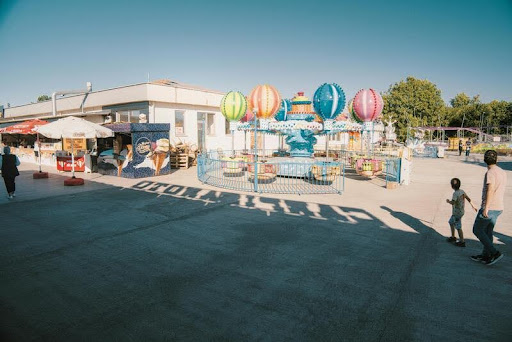
Big smiles and even bigger adventures—theme parks bring out the kid in everyone.
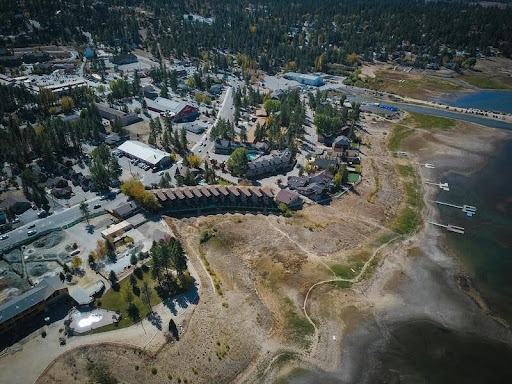
Helping parents figure out the best kind of trip for fun, learning, and family bonding.
Family vacations come with a big decision: theme park or national park? One promises non-stop thrills, the other, nature and quiet exploration. But when you’re planning a trip with kids, it’s not just about what you enjoy; it’s about what will actually make your little ones smile, stay engaged, and maybe even learn something along the way.
So, how do you choose?
Let’s walk through it all, fun, learning, costs, energy levels, and everything in between, so you can plan a trip that feels just right for your crew.
What’s More Fun for Kids: Theme Parks or National Parks?
Theme parks win on sheer excitement. Rides, shows, bright colors, characters, you name it. It’s like stepping into a kid’s dream. There’s always something happening, and it’s tailored to be kid-focused and high energy.
National parks, on the other hand, offer a different kind of fun. Think of it like a real-life treasure hunt. There are trails to explore, critters to spot, rocks to climb, and plenty of fresh air. Some kids thrive in that unstructured, choose-your-own-adventure style of fun.
So, which is better? It depends on your kid. If they love stimulation and constant motion, a theme park might hit the mark. But if your child’s the type to stop and stare at a butterfly or climb every boulder in sight, a national park could be just the ticket.
Which Is More Educational: Nature or Imagination?
Parents often ask: What will my kids actually learn on this trip? Good question.
Theme parks can teach creativity and imagination, especially those that mix storytelling and problem-solving into their attractions. They might spark curiosity about science, space, art, or even history, depending on the park’s theme.
National parks lean into hands-on, real-world learning. Kids can get up close with ecosystems, wildlife, geology, and weather. There’s a huge opportunity for discovery, especially when park rangers or junior ranger programs are involved.
Both offer learning, but it’s a matter of active vs. passive education. Theme parks tend to present information to kids in fun packages. National parks challenge kids to explore, ask questions, and make their own discoveries.
How Active Are Kids on These Trips?
If you’re wondering which vacation will burn off more kid energy, here’s the lowdown.
Theme parks involve lots of walking, sometimes miles a day, and standing in line
. So yes, there’s movement. But there’s also a lot of waiting and sitting during rides or shows.
National parks usually demand more active participation. Hiking, climbing, paddling, and running around are all part of the experience. Even shorter trails can feel like a full-on adventure when you’re little.
Want your kids to sleep well at night and spend less time on screens? A nature-based trip might be your secret weapon.
What’s the Cost Difference Between Theme Parks and National Parks?
Let’s talk money.
Theme parks can get expensive. Tickets alone can run hundreds of dollars per day for a family. Add on parking, food, souvenirs, and hotel stays, and you’re looking at a serious investment. Some families report spending $3,000–$5,000+ for just a few days.
National parks are generally more budget-friendly. Entry fees are often under per car for a full week, and camping can be incredibly affordable. Of course, you might need gear (tent, hiking shoes, etc.), but overall costs tend to be lower, especially if you pack your own meals and avoid long-distance travel.
In short, If cost is a big concern, national parks offer a lot more wiggle room.
Which Trip Is Easier to Plan with Kids?
Planning a vacation with kids takes energy, period. But the type of trip can either help or make things harder.
Theme parks require more upfront planning: tickets, reservations, apps, ride strategies, and usually a schedule that packs the day from morning to night. It can be a logistical marathon, especially with younger kids who may not handle full days well.
National parks offer more flexibility. You don’t have to schedule every minute. You can follow your family’s pace, take breaks when needed, and adapt easily. However, some parks do require planning for permits, campsite reservations, or safety considerations like weather and wildlife.
Both need prep, but the kind of planning you prefer might help you decide.
Which Option Offers Better Family Bonding?
Here’s a surprising truth: both types of trips offer solid chances for connection, but in very different ways.
Theme parks offer shared excitement and high-energy bonding. Think giggling on rides, snapping family photos, and experiencing jaw-dropping shows together. It’s a blast, but it can also be overstimulating.
National parks offer slower, more personal bonding. You might find yourselves talking more on a trail, solving little challenges together, or just sitting quietly under a tree. Ask yourself: Do you want shared thrills or quiet, quality time?
How Does Each Trip Impact Kids in the Long Run?
Kids remember experiences that feel different from their everyday lives.
Theme parks leave strong sensory impressions, colorful characters, fast rides, and fireworks. These can be unforgettable, especially for younger kids.
National parks tend to appeal to kids in a different way. They might remember spotting an animal in the wild, climbing a rock they thought they couldn’t, or just the feeling of wide open space. These trips often build confidence and a sense of curiosity.
Studies show that time in nature can boost kids’ mental health, improve focus, and even lower stress levels. It’s not magic, but it’s close.
So… Theme Park or National Park? How Do You Choose?
Still on the fence? Here’s how to think it through.
- Consider your kids’ personalities. Do they love excitement or open-ended play?
- Think about your budget. Can you swing a big-ticket vacation, or do you need something more low-cost?
- Check your energy levels. Do you want a high-energy, go-go-go trip or a slower-paced getaway?
- Reflect on what matters most. Are you chasing thrills, learning opportunities, nature time, or just a break from screens?
There’s no wrong choice, just the right fit for your family right now.
Final Thoughts: You Can Always Mix and Match
Here’s an idea: you don’t have to choose forever. One summer, I hit a theme park. The next? Try a national park. Let your kids experience both sides of the adventure coin.
And who knows? You might discover you’re a camping family and a roller-coaster-loving crew.
Frequently Asked Questions (FAQ)
Q: Are national parks really kid-friendly?
Yes! Many offer junior ranger programs, easy trails, and kid-focused activities. You don’t have to be a super-outdoorsy family to enjoy them.
Q: What’s the best age for a theme park trip?
Ages 5–10 are often ideal, but it depends on the park and your child’s interests and stamina.
Q: Can I visit a national park without camping?
Absolutely. Many parks have nearby hotels, cabins, or lodges. You can enjoy nature without pitching a tent.
Q: Which vacation is safer for kids?
Both can be safe with the right planning. National parks require awareness of natural hazards, while theme parks involve large crowds and heat. Preparation is key either way.
Q: What if my kids get bored in a national park?
Bring along nature scavenger hunts, binoculars, or simple games to keep them engaged. Let them help choose trails or activities.
It’s a deeper kind of connection.
Ready to plan your next family adventure?
Think about your family’s vibe, what kind of memories you want to create, and what fits your budget. Whether it’s hiking boots or rollercoasters, the best trip is the one where everyone has fun, even the grown-ups.
Still not sure? Start with a day trip near home and test the waters. You might be surprised what your kids love most.
About the Author