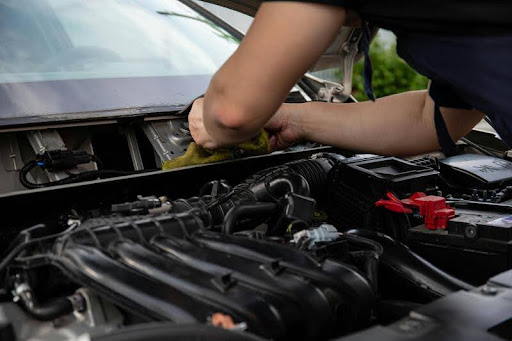
A skilled mechanic gets under the hood—because catching small issues early can save you big money later.
Let’s be real, car repairs can get expensive fast. One minute you’re getting your oil changed, and the next thing you know, your mechanic’s listing off a string of problems that sound like they came out of a sci-fi movie. But what if we told you there’s a smarter way to deal with car repairs?
You don’t have to shell out a small fortune every time your check engine light pops on. And no, that doesn’t mean cutting corners or putting your safety at risk. It just means learning a few tricks, staying proactive, and knowing when to speak up.
Ready to save money without sacrificing quality? Let’s hit the road.
Why is regular car maintenance important for saving money?
Here’s the truth: routine maintenance is your wallet’s best friend.
When you keep up with basic upkeep, like oil changes, tire rotations, and fluid checks, you’re preventing small issues from turning into massive (and expensive) headaches. Neglect those things, and suddenly your engine’s toast or your brakes are shot. That’s when the bills really pile up.
According to AAA, the average repair cost from a breakdown is around $600, but a lot of those problems could’ve been avoided with regular checkups.
So, if you’re trying to save money on car repairs, start by staying on top of maintenance. It may not be glamorous, but it works.
How can I spot car problems early before they get worse?
You don’t need to be a mechanic to know when something’s off.
Weird noises? Burning smells? Does your car feel “off” when you drive it? Those are red flags.
Getting ahead of repairs often comes down to trusting your gut and knowing your vehicle. If something seems wrong, it probably is, and catching it early can save you hundreds.
Also, pay attention to the dashboard. Those little warning lights aren’t just there to annoy you, they’re trying to help you avoid a bigger problem later. Ignoring them can turn a cheap fix into a full-blown crisis.
Is it really worth getting more than one repair estimate?
Absolutely. And here’s why: not all mechanics charge the same, even for the exact same work.
Getting a second (or third) opinion helps you figure out what’s fair. It also gives you the chance to compare what’s included, how long it’ll take, and whether they’re pushing stuff you don’t need.
Tip: Use quote comparison tools online or call around local shops. Be upfront, ask for a breakdown of costs, and whether labor and parts are included.
That way, you’re not blindsided when it’s time to pay the bill.
How do I find a mechanic I can actually trust?
If you’ve ever walked into a shop and felt completely out of your element, you’re not alone. The auto repair world can feel intimidating, but finding a good mechanic doesn’t have to be a gamble.
Here’s what to look for:
- Certifications like ASE (Automotive Service Excellence)
- Clear, upfront communication
- No pressure to approve every little thing on the spot
- Clean, professional workspace
Also, check reviews, Google, Yelp, and even your local Facebook groups are goldmines. Look for consistent comments about honesty and fair pricing. When in doubt, ask friends and family who they trust.
Are aftermarket parts safe to use, and do they save money?
Short answer: yes, when chosen carefully.
Aftermarket parts are made by third-party manufacturers, not the original carmaker, but that doesn’t mean they’re low quality. In fact, many are just as good, if not better. And they’re often way cheaper.
What’s the catch? You’ve got to do your homework. Some aftermarket parts are knock-offs that won’t last, so it’s important to:
- Stick with reputable brands
- Ask your mechanic about warranties
- Avoid the cheapest option if it seems too good to be true
OEM parts (Original Equipment Manufacturer) are always an option, but they cost more. If you’re trying to save money without cutting quality, high-quality aftermarket parts are a solid middle ground.
Can car warranties or insurance help cover repairs?
Yes, but it depends on your coverage.
If your car is still under a manufacturer’s or extended warranty, repairs related to parts and labor might be covered at no cost. The key is knowing what’s actually included. Some warranties only cover the powertrain, while others may include electrical systems or more.
For insurance, it’s a little trickier. Most car insurance policies won’t cover regular wear and tear, but if your car was damaged in an accident or due to weather, those repairs might be covered under comprehensive or collision coverage.
Always read the fine print. Or better yet, call your provider and ask directly.
How do I avoid getting upsold at the repair shop?
You walk in for a simple fix. Suddenly, they’re telling you your suspension’s failing, your tires need replacing, and you should flush every fluid in your car.
Sound familiar?
Here’s the deal: some of that might be legit, but some of it could just be upselling. The best way to protect yourself is to:
- Ask why a repair is necessary
- Request to see the problem (in person or photos)
- Get a written estimate and take time to review it
Don’t feel pressured to say yes on the spot. A trustworthy shop will give you time to decide and won’t scare you into unnecessary work.
Why should I track my repair history and maintenance costs?
Think of it like a health record, but for your car.
Keeping track of what you’ve had repaired, when you did it, and how much it cost can help you:
- Avoid repeat repairs
- Spot patterns (like if one part keeps failing)
- Get better resale value down the line
Plus, if you switch mechanics, having a detailed history gives them a better picture of your car’s needs.
Even just a simple spreadsheet or folder in your glovebox can make a big difference.
How can I learn enough about my car to make smart choices?
You don’t need to become a gearhead. But understanding the basics, like what different warning lights mean or how your brakes work, can help you speak the same language as your mechanic.
Start here:
- Read your owner’s manual (seriously, it’s more useful than it looks)
- Watch short car maintenance videos on YouTube
- Use apps that explain car issues in plain English
When you know just enough to ask the right questions, you’re less likely to get taken for a ride.
FAQ: Quick Answers to Common Car Repair Questions
Q: What’s the best way to save money on car repairs overall? A: Stay on top of maintenance, catch issues early, and shop around for fair estimates.
Q: Can I negotiate repair costs with a mechanic? A: Yes. Especially on labor rates or when there’s a list of recommended repairs, ask if anything can wait.
Q: Is it cheaper to repair or replace an older car? A: It depends on the repair cost vs. your car’s value. If repairs exceed the value or happen frequently, replacement might be smarter.
Q: Are mobile mechanics a good option? A: Often, yes. They’re typically cheaper because they have less overhead. Just make sure they’re certified and insured.
Q: How can I tell if a repair quote is too high? A: Compare quotes, research average repair costs online (like RepairPal), and ask for a detailed breakdown.
Bottom Line: You Can Be Smart About Car Repairs
Saving money on car repairs doesn’t mean you have to cut corners or risk driving an unsafe vehicle. It just means taking a smarter, more proactive approach, asking questions, getting second opinions, and learning enough to stay in control.
The next time you hear a weird noise or see a warning light pop up, don’t panic
Need help tracking your repairs or understanding quotes? Try keeping a digital log or using a free car maintenance app.
About the Author