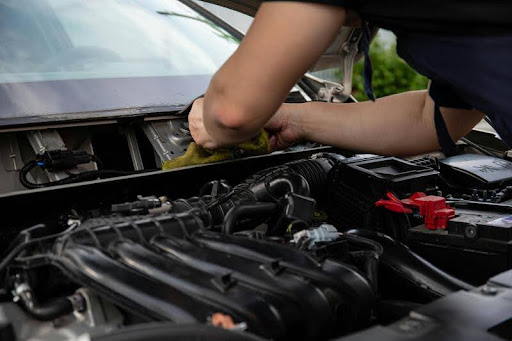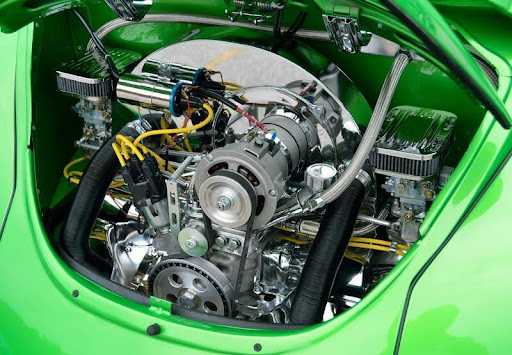
A well-maintained engine—proof that staying ahead on spark plugs, belts, and hoses pays off.
If you’ve ever popped the hood of your car and wondered what all those wires, tubes, and parts do, you’re definitely not alone. Most drivers know their vehicle needs regular maintenance, but figuring out exactly when to replace things like spark plugs, belts, and hoses is tricky. That’s where things can get a little fuzzy.
So let’s clear things up. In this guide, we’re breaking down when these key components should be swapped out, why they matter, and how to spot the warning signs before a minor issue turns into a major headache. Whether you’re a seasoned DIYer or someone just trying to avoid another unexpected repair bill, you’re in the right place.
What Do Spark Plugs Actually Do?
Spark plugs might be small, but they pack a serious punch.
Every time you start your engine, the spark plug creates a tiny explosion that ignites the air-fuel mixture in each cylinder. That explosion is what gives your car the power to move. Without spark plugs doing their job, your engine either won’t run or will run poorly, think rough starts, sluggish acceleration, or poor fuel economy.
When Should You Replace Spark Plugs?
Most spark plugs need to be replaced every 30,000 to 100,000 miles.
That’s a pretty big range, right? It depends on the type of spark plugs your car uses. Copper plugs wear out faster, while platinum or iridium ones last longer. Check your owner’s manual to find the right interval for your vehicle.
But mileage isn’t the only clue. Here are a few signs your spark plugs might be overdue for a swap:
- Trouble starting the car
- Engine misfires or rough idling
- Reduced fuel efficiency
- Sluggish acceleration
Ignoring worn-out spark plugs can lead to more than just poor performance. It can also put extra stress on your ignition system and catalytic converter, which can be expensive to fix.
What’s the Difference Between Timing Belts and Drive Belts?
Let’s talk belts. Yes, your car has more than one, and they all serve different purposes.
Timing belts (or timing chains) keep the engine’s internal parts moving in sync. They’re critical to your engine’s rhythm. If they fail, the engine could suffer major damage.
Drive belts, often called serpentine belts, power external parts like your alternator, water pump, power steering pump, and air conditioning compressor. A broken drive belt won’t wreck your engine, but it will leave you stranded.
How Often Should You Replace Belts?
Timing belts typically need to be replaced every 60,000 to 100,000 miles, depending on your car’s make and model.
Drive belts usually last 50,000 to 70,000 miles.
You don’t want to wait until a belt snaps to replace it. Why? Because a broken timing belt can destroy your engine’s valves or pistons. That’s a repair that could run into the thousands of dollars.
Even if you’re not tracking mileage closely, keep an ear out for squealing noises under the hood or take a peek at the belt during regular oil changes. If you spot cracks, fraying, or shiny spots, it’s time for a new one.
What Do Engine Hoses Do?
Hoses might not seem flashy, but they’re the unsung heroes of your engine.
They carry coolant, fuel, air, and hydraulic fluid to all the right places. Without them, your engine would quickly overheat, stall, or worse. Most hoses are made of rubber, which means they’re vulnerable to heat, pressure, and time.
When Do You Need to Replace Engine Hoses?
Engine hoses usually need to be replaced every 4 to 6 years, or 50,000 to 75,000 miles, depending on driving conditions and climate.
Extreme temperatures, whether it’s a freezing Chicago winter or a scorching Arizona summer, can accelerate wear and tear. So, it can stop-and-go traffic or haul heavy loads.
Watch for these red flags:
- Cracks or splits in the rubber
- Bulges or soft spots
- Coolant leaks or puddles under your car
- Steam coming from the hood
Pro tip: if you’re replacing one hose, it often makes sense to check and replace the others too. If one is failing, the rest probably aren’t far behind.
What’s the Best Way to Stay Ahead of Car Maintenance?
Honestly? Don’t wait until something breaks. Preventive maintenance is your best friend.
Here are a few habits that can help you stay ahead of problems:
- Check your owner’s manual for recommended intervals.
- Inspect belts and hoses visually every few oil changes.
- Track mileage so you know when components are due for a swap.
- Listen for strange sounds, squeals, rattles, or grinding noises.
- Ask your mechanic to take a closer look during routine service.
And don’t forget: newer cars might have longer-lasting parts, but they still need regular attention. Just because you’re not hearing or seeing anything unusual doesn’t mean everything’s in perfect shape.
Why Replacing These Parts on Time Matters
Still thinking, “Can’t I just wait a bit longer?”
Here’s why that’s a risky move: worn-out spark plugs, belts, and hoses can lead to bigger (and more expensive) problems. A blown hose could cause engine overheating. A broken belt could strand you on the highway.
stop working. In some cases, the engine may overheat. You’ll likely need to pull over immediately.
Can old hoses cause engine overheating? Yes. Cracked or leaking coolant hoses can prevent your engine from staying cool, leading to overheating and possible engine damage.
Is it better to replace all belts and hoses at once? Not always, but if multiple parts are nearing the end of their life span, it can save on labor costs and prevent staggered breakdowns.
Are timing chains the same as timing belts? Not quite. Timing chains are metal and often last longer than belts. But they can still wear out, especially in high-mileage vehicles.
About the Author