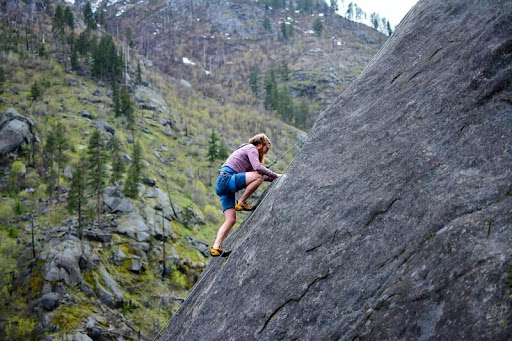
Pushing limits at high elevation—rock climbing in the heart of nature
So, you’ve got the climbing bug, and now you’re itching to find the best places in the U.S. to put your skills to the test. Whether you’re just getting into the sport or you’ve been scaling walls for years, figuring out where to go rock climbing in the U.S. this year can be both exciting and a little overwhelming.
With so many gorgeous locations and types of terrain across the country, how do you even start narrowing it down?
This guide’s got your back. We’ll walk through what to think about before choosing a spot, the kinds of landscapes you can expect in different parts of the U.S., and how to plan a trip that’s both epic and safe.
Let’s get into it.
What Should You Consider Before Choosing a Rock Climbing Destination?
Before you even Google “best rock climbing near me,” take a minute to think through a few key details.
First, what kind of climbing are you into? There’s bouldering, sport climbing, trad climbing, and alpine routes, and each type calls for a different kind of terrain and skill set. Bouldering is great for short, powerful problems with minimal gear, while trad climbing often means longer routes and more technical experience.
Second, how experienced are you? Be honest with yourself here. Some places are friendly for beginners, with well-marked routes and easier access. Others? Not so much. They might require serious multi-pitch experience, lead skills, or technical gear knowledge.
Other key questions to ask yourself:
- What’s the weather like at this time of year?
- How far are you willing to travel?
- Will you need a permit?
- Do you want to climb solo, with friends, or with a guide?
Planning ahead makes a huge difference, especially if you’re heading into unfamiliar territory.
What Are the Best Rock Climbing Regions in the U.S.?
The U.S. is a climber’s dream, thanks to its ridiculously diverse landscape. Whether you want desert towers, granite cliffs, or alpine faces, there’s a region that checks all your boxes.
Let’s break it down by area, without naming specific destinations, so you can explore with an open mind.
West Coast Climbing Spots
Think dramatic coastal cliffs, giant boulders, and long, challenging trad routes. The West Coast serves up both ocean views and inland mountain ranges, making it a versatile playground for climbers of all levels.
Mountain States
Want a real taste of high-elevation climbing? This region’s known for its rugged wilderness, alpine routes, and big wall climbs.
It’s also one of the best areas if you’re looking for a mix of sport and trad options.
Midwest Crags
Yes, the Midwest has more than flat cornfields. You’ll find hidden gems scattered throughout, especially in areas with sandstone bluffs and forested trails. It’s a great region for bouldering and weekend trips.
East Coast Climbing
From granite slabs to forested crags, the East Coast delivers serious variety. Expect shorter routes in many areas, but don’t confuse short with easy. You’ll still find technical climbs that demand your full attention.
Southeastern Walls
Humidity aside, this part of the U.S. offers up steep routes, big holds, and warm climbing seasons. It’s a favorite for climbers who like powerful, athletic routes, and those who don’t mind sweating a little.
Each of these regions has something different to offer. You can chase the sun, the snow, or the solitude; it all depends on what kind of adventure you’re after.
What Kinds of Climbing Environments Can You Explore?
When people ask what are the best places to go rock climbing in the U.S., they’re often thinking of just one type of spot. But the truth is, climbing happens in all kinds of settings.
Let’s take a quick look at your options:
Indoor vs. Outdoor Climbing While outdoor climbing is where most of the adventure happens, indoor gyms can help you train or stay sharp when the weather’s not cooperating. Some cities have world-class gyms with competition-level walls and bouldering zones.
Wilderness Routes vs. Developed Crags Some climbing areas are pretty wild, like, bring-a-topo-and-hope-you-don’t-get-lost wild. Others have maintained trails, bolted routes, and nearby campgrounds. Decide how off-the-grid you want to go.
Single-Pitch vs. Multi-Pitch Climbing Single-pitch climbs are shorter and simpler to manage. Multi-pitch routes? You’re talking hundreds (or thousands) of feet up. If you’re going multi, make sure your gear game is on point.
Solo or Group Friendly Areas. Some spots are great for solo climbers who want to boulder or top-rope. Others are better with a belay partner or group trip. Consider your company, or lack of it, when choosing a location.
How Do You Plan a Rock Climbing Trip in the U.S.?
Alright, you’ve picked a region. Now what?
Start with your itinerary. Figure out how long you’ll be climbing, how many routes you want to hit, and what your backup plan is if the weather turns. (Trust us, it happens.)
Pack smart. Don’t overdo it, but make sure you’ve got the right gear for the kind of climbing you’re doing.
Think helmet, harness, ropes, climbing shoes, chalk, quickdraws, and weather-appropriate clothing. Oh, and plenty of water and snacks.
Use guidebooks, apps, or local info. Reliable climbing apps or printed guides will give you route ratings, approach details, and safety notes. Some even let you download info for offline use, which is super helpful in remote areas.
Always check conditions. Is the area open? Any closures due to nesting birds or fire risk? Did it just rain, making sandstone climbs unsafe? Stay informed to stay safe.
What’s the Best Way to Practice Responsible Climbing?
Climbers love nature. But we also have a responsibility to protect it.
Here’s how you can climb responsibly and make sure these beautiful places stay around for future adventures:
Follow Leave No Trace principles. Pack it in, pack it out. Stay on trails. Don’t trample vegetation at the base of the wall.
Respect local rules and closures. Many areas close seasonally to protect wildlife or due to environmental risk. Always respect those rules, even if it means skipping your bucket-list route.
Minimize chalk use. It might help your grip, but it also leaves visual scars on the rock. Use colored chalk that matches the stone when possible, and brush off your holds when you’re done.
Keep noise down. Yelling across a crag or blasting music? Not cool. Remember, you’re sharing the space with others, including wildlife.
Why Is Now a Great Time to Explore New Climbing Spots?
Let’s be real, climbing isn’t just a workout. It’s an escape. A challenge. A way to reset.
And right now, more people than ever are getting into it. According to the Outdoor Industry Association, climbing participation in the U.S. grew by over 20% in the last few years, especially among younger adults and women. Climbing gyms are booming, and outdoor climbing is no longer just a niche activity; it’s gone mainstream.
That means new routes, new access points, and new climbing communities are popping up all over. There’s never been a better time to explore somewhere fresh, whether it’s a remote crag or a spot just a few hours from home.
So what are you waiting for?
Final Thoughts: Where Will You Climb This Year?
Whether you’re chasing boulders, walls, or alpine ridges, the U.S. has something for every kind of climber. The key is to match your goals, skill level, and travel style with the right destination.
Stay curious. Climb smart. And most of all, enjoy the view from the top.
FAQs: Rock Climbing in the U.S.
What is the best time of year to go rock climbing in the U.S.? It depends on the region. Spring and fall are ideal for many areas due to moderate temperatures. Summer is great for alpine or high-elevation climbing, while winter works in desert or southern spots.
Do I need a permit to go rock climbing? Some climbing areas, especially in national parks or protected lands, do require permits. Always check local regulations before your trip.
What gear do I need for outdoor climbing? At a minimum: climbing shoes, harness, helmet, rope, belay device, and quickdraws or cams, depending on the climbing style. Don’t forget a chalk bag and first-aid kit.
Is rock climbing safe for beginners? Yes, with proper instruction and safety gear. Start in gyms or beginner-friendly outdoor spots, and consider climbing with a guide or experienced friend.
Can I rock climb solo? Bouldering can be done solo with crash pads. For rope climbing, you’ll usually need a partner, though experienced climbers sometimes use self-belay systems.
About the Author