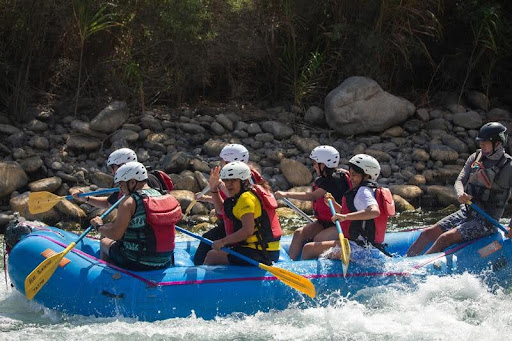
Thrill meets teamwork—whitewater rafting offers a splash of adventure for all skill levels.
If you’re craving adventure, fresh air, and a serious adrenaline rush, whitewater rafting might be just the thing. It’s one of those outdoor activities that gets your heart pumping, your team spirit activated, and your Instagram feed looking pretty epic. But here’s the thing: not all rivers are created equal. So, how do you find the best whitewater rafting spots in the U.S.? That’s exactly what we’re diving into.
Whether you’re a first-timer just looking for a fun day trip or a thrill-seeker chasing Class V rapids, this guide has got you covered. We’ll break down what makes a great rafting location, the types of regions that offer different kinds of river action, and how to choose a spot that’s right for you. Let’s get into it.
What Makes a Great Whitewater Rafting Location?
A good rafting spot isn’t just about wild rapids; it’s about the full experience. When you’re planning a trip, here’s what you’ll want to look for:
- Water Conditions: The power and speed of the river (known as river flow) matter. Most rivers are rated from Class I (super chill) to Class VI (basically for pros only). The time of year also impacts this; spring melt and heavy rain can make rivers faster and more intense.
- Scenery: A river winding through stunning mountains, deep canyons, or lush forests? Yes, please. The surroundings can totally level up your adventure.
- Accessibility: Is the launch point easy to reach? Are there nearby places to stay, eat, or explore? Convenience counts, especially for beginners or families.
- Options for All Skill Levels: A location that offers multiple river sections or trips can be a win for mixed groups. That way, newbies and experts both have something to enjoy.
Where Are the Best Regions for Whitewater Rafting in the U.S.?
Instead of just rattling off river names, let’s talk about types of places that offer killer rafting experiences. That way, when you’re Googling options or chatting with a guide company, you’ll know what to look for.
1. Mountain Regions Offer Fast, Technical Rapids
Looking for intense drops and heart-racing action? Mountain areas tend to have fast-moving rivers fed by snowmelt, meaning they surge strongest in late spring and early summer. These rivers often have steeper gradients, which create more powerful rapids. Translation? Big splashes, sharp turns, and loads of excitement.
These kinds of spots are usually best for folks with some rafting experience or those going with a licensed, experienced guide.
You’ll often find Class III to Class V sections here.
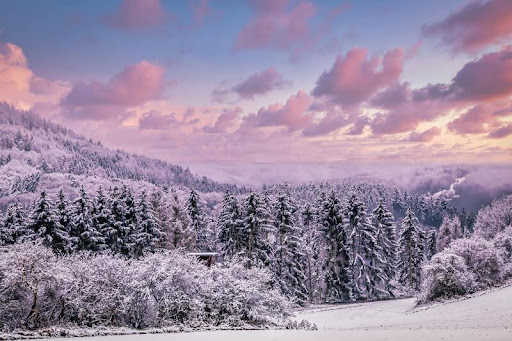
2. Forested Wilderness Areas Are Peaceful and Scenic
Not every rafting trip needs to be a white-knuckle ride. If you’re into nature, wildlife, and a bit of paddling with your excitement, forested regions can give you a mix of mellow stretches and manageable rapids.
These spots tend to have lower classification rivers (Class I to III), making them ideal for families, couples, or groups that want to soak in the views as much as the spray.
3. Desert and Canyon Rivers Deliver a One-of-a-Kind Vibe
Imagine rafting between towering red rock cliffs, with the sun reflecting off the water and barely a soul around. Canyon rivers and desert landscapes offer a raw, rugged experience you won’t forget.
These places are often known for multi-day rafting trips, where you camp by the river under the stars. You’ll get a blend of calm waters and action-packed rapids, perfect for those who want the best of both worlds.
4. Tropical and Coastal River Systems Are Laid-Back and Fun
Want a warmer climate and a more relaxed trip? Rivers in the South or near coastal areas often feature gentler flows and wide channels. These spots are great for beginners, school groups, or anyone who’s a little nervous but still wants to try something new.
You won’t find many wild rapids here, but you will find beautiful greenery, warm water, and a more chill pace.
How Do You Choose the Best Rafting Trip for You?
So, how do you narrow it down when there are so many great places across the U.S.?
Start by asking yourself a few key questions:
- What’s your skill level? If you’re brand new to rafting, stick with Class I–III rivers and consider going with a guide. If you’ve done this before and want more excitement, Class IV or V might be more your speed.
- What kind of scenery do you love? Are you a mountain person? Forest wanderer? Desert explorer? Choose a region that matches your vibe.
- How long do you want to raft? Half-day and full-day trips are common, but if you’re up for it, multi-day trips offer a full-on nature immersion.
- What’s your budget? Guided rafting trips range from $50 a half-day to $500+ for multi-day excursions with food, lodging, and gear included.
What’s the Best Time of Year for Whitewater Rafting?
It depends on where you go, but here’s a general rule of thumb:
- Spring (April–June): Best for snow-fed rivers, expect stronger rapids and cooler temps.
- Summer (July–August): Great for warmer weather trips, family adventures, and beginner-friendly rivers
- Fall (September–October): Some rivers still run well, especially after late summer rain. It’s also less crowded.
Always check local river conditions before you go. Some rivers are dam-controlled and flow year-round, while others depend heavily on natural snowmelt or rain.
What Should You Bring on a Whitewater Rafting Trip?
Don’t overpack, but don’t show up unprepared either. Here’s a simple list:
- Quick-dry clothing (no cotton, it gets heavy when wet)
- Secure water shoes or sandals (not flip-flops!)
- Sunscreen (even if it’s cloudy)
- Waterproof camera or phone case (for memories, of course)
- Dry bag (to keep things like snacks or a change of clothes safe)
- Water bottle (you’ll get thirsty, trust us)
If you’re going with a guide company, they’ll usually provide helmets, paddles, life jackets, and sometimes wetsuits, depending on the season.
What’s the Best Way to Stay Safe While Rafting?
Safety should always come first, whether you’re on a beginner trip or tackling intense rapids.
Here’s how to stay smart on the river:
- Wear your life jacket and helmet, always, no exceptions.
- Listen to your guide. They know the river and what to do if things go sideways.
- Know the signals. Your guide will usually explain paddle signals, pay attention, they matter.
- Don’t panic if you fall in. Float on your back, feet first, and wait for help or swim to shore if safe.
- Check your fitness level. Rafting is an active sport. Make sure you’re physically up for it, especially on longer or higher-class runs.
Why Try Whitewater Rafting in the First Place?
Whitewater rafting isn’t just an outdoor sport; it’s a full-on experience. It pushes your limits, brings you closer to nature, and often turns strangers into teammates by the end of a run. Plus, it’s the kind of adventure that creates stories you’ll be telling for years.
Whether you’re traveling solo, planning a weekend with friends, or looking for a family-friendly getaway, there’s a rafting trip out there with your name on it.
So, are you ready to grab a paddle?
FAQs About Whitewater Rafting in the U.S.
What class of rapids is best for beginners? Class I to Class III rapids are ideal for beginners. They’re manageable, fun, and usually come with plenty of guidance.
Is whitewater rafting safe for kids? Yes, many beginner-friendly rivers are family-approved. Just check the minimum age and safety guidelines for each trip.
Do I need to know how to swim? It helps, but it’s not required on many guided trips. You’ll be wearing a life jacket and given safety training beforehand.
How long does a typical rafting trip last? Trips can range from a couple of hours to multi-day adventures. Half-day and full-day trips are the most common.
Can I go rafting without a guide? On certain rivers, yes, but it’s usually recommended to go with a guide unless you’re very experienced.
Final Thoughts
Whitewater rafting in the U.S. is as diverse as the country itself. From wild mountain rapids to calm, scenic rivers, there’s something out there for every kind of adventurer. The best part? You don’t have to be a pro or own fancy gear to get started, just a sense of adventure and a willingness to get a little wet.
Ready to plan your next trip? Start by researching regions that match your skill level and travel style. Check local outfitters, read recent reviews, and go with an open mind. You never know, you just might fall in love with the river.
About the Author