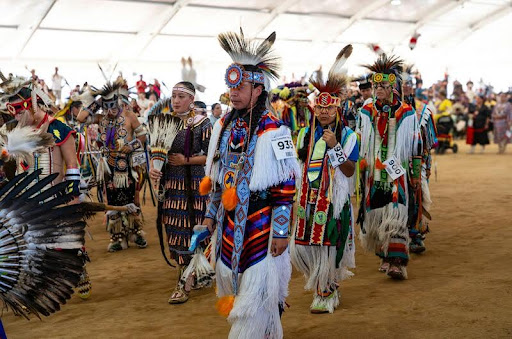
A vibrant powwow celebration showcasing dance, music, and centuries of cultural tradition.
Your guide to meaningful, respectful, and eye-opening cultural travel
If you’ve ever wondered where I can experience real Native American culture in the U.S., you’re not alone. More travelers today want authentic, meaningful experiences, not just photo ops or tourist traps. And when it comes to learning about Native American history and culture, there’s a deep, powerful story waiting to be heard.
But here’s the thing: you can’t understand America without understanding the people who were here first. Native American cultures are not just a chapter in history; they’re living, evolving, vibrant communities across the country.
So, if you’re ready to explore Native culture in a way that’s both respectful and immersive, this guide will walk you through the best ways to do just that. Let’s dig in.
What Makes Native American Culture So Diverse?
Native American culture isn’t just one thing. There are 574 federally recognized tribes in the U.S., each with its own language, traditions, and way of life. That means when someone says “Native American culture,” they could be referring to anything from coastal canoe traditions to desert pottery or buffalo dances on the plains.
What ties many of these cultures together? Deep connections to land, ancestors, community, and storytelling. These values show up in the way people live, the art they make, and the way they share knowledge across generations.
Can You Visit Native American Reservations?
Yes, you can, but there’s a respectful way to do it. Visiting a reservation isn’t like dropping into a theme park. These are home communities, and visitors are guests. That said, many tribes welcome visitors who come with curiosity and respect.
Some communities offer guided tours, museum experiences, and cultural centers that share their history directly from tribal members. When you visit, take the time to learn local customs. Some places have areas that are sacred or private, and photography might be limited. Always ask when in doubt.
And remember: these communities aren’t stuck in the past. They’re modern, thriving places where tradition and innovation live side-by-side.
What Are the Best Ways to See Native American Celebrations?
One of the most powerful ways to experience Native culture is through public gatherings like powwows, seasonal celebrations, and storytelling events. These aren’t just performances, they’re community-driven expressions of culture, family, and tradition.
At a powwow, for example, you might see beautifully detailed regalia, traditional dancing, drumming, and hear songs passed down through generations. It’s not about entertainment; it’s about honoring heritage.
If you attend, be mindful: dress modestly, don’t interrupt ceremonies, and ask before taking photos or joining activities. Many events are open to the public, but they’re still rooted in spiritual and cultural meaning.
Where Can You Learn About Native History and Traditions?
Native-run museums and cultural centers are a great starting point. These spaces are designed to teach the public while preserving the voices of tribal communities. Inside, you’ll often find exhibits on tribal history, artwork, languages, and traditional knowledge systems.
Some centers offer hands-on workshops, beadwork, basket-weaving, or cooking classes that give you a real feel for the skill and meaning behind each craft. Others host speakers or storytellers who share tribal oral traditions.
Look for institutions that are tribally operated or that work directly with Native communities to ensure what you’re learning is accurate and respectfully presented.
How Important Are Native Arts, Crafts, and Foods?
They’re not just souvenirs, they’re cultural expressions. Art in Native cultures isn’t usually separate from everyday life. It’s woven into clothing, storytelling, architecture, and food. When you buy authentic Native-made items, you’re not just supporting a local artist; you’re investing in a living culture.
You might see pottery, woven rugs, turquoise jewelry, hand-carved tools, or beadwork that each tells a unique story from the artist’s community. The designs aren’t random; they often reflect family lineage, spiritual beliefs, or ties to the land.
And don’t skip the food! Traditional dishes vary widely by region, think corn, bison, wild rice, salmon, fry bread, each with cultural and historical significance.
Can You Learn Native American Languages or Stories as a Visitor?
Yes, but with care. Language is one of the most endangered aspects of many Native cultures; some tribal languages have just a handful of fluent speakers left. But there’s a strong push in many communities to revitalize and protect their languages.
Visitors can sometimes take part in introductory language sessions, storytelling hours, or even language exhibits at museums. Hearing the language, even just a few words, adds depth to your experience and shows respect for the culture.
Storytelling, especially oral tradition, is also central. It’s how history, morals, and identity are passed down. If you’re lucky enough to attend a public storytelling event, listen deeply. These stories carry centuries of wisdom.
Are There Ways to Participate in Cultural Programs?
There are some programs, particularly those organized by Native communities, that offer short-term volunteer or educational experiences. These might involve helping at events, assisting in cultural preservation projects, or attending workshops on tribal lands.
But here’s the key: make sure the program is tribe-approved or tribe-led. The goal isn’t to “help” or to “fix” anything; it’s to listen, learn, and respectfully support ongoing efforts led by Native people themselves.
Skip anything that feels exploitative or transactional. Culture isn’t something to consume; it’s something to approach with humility.
How Can You Be a Respectful Visitor?
Here’s a simple rule of thumb: when in doubt, ask. Every tribe has its own norms, and what’s okay in one community might be inappropriate in another. Here are a few basics to keep in mind:
- Do your research before visiting.
- Avoid stereotypes, Native people don’t all wear headdresses or live in tipis.
- Ask permission before taking photos or joining ceremonies.
- Support Native-owned businesses whenever you can.
- Don’t treat culture like entertainment. Be a listener first.
And remember: appreciation is different from appropriation. Wearing sacred symbols as fashion or imitating rituals without permission? That’s appropriation. Supporting Native artists and learning with respect? That’s appreciation.
Why Does This Matter Now More Than Ever?
According to a 2021 report from the National Congress of American Indians, over 70% of Americans say they want to learn more about Native history, yet less than 20% feel confident in their knowledge. That’s a big gap.
At the same time, many Native languages, traditions, and sacred sites are under threat from development, climate change, and cultural erasure. Supporting cultural tourism that’s done right helps keep these traditions alive.
So if you’re traveling anyway, why not make it meaningful?
Final Thoughts: Go Beyond the Brochure
Native American culture isn’t just something to “check out” on a weekend trip. It’s a living, breathing part of the American story, and of the American present.
Whether you’re exploring art, learning tribal stories, or sharing food with a local community, what you’re really doing is opening yourself to a richer understanding of this country.
Just go with respect. Ask questions. Be open. And let the experience teach you something you didn’t know you needed.
FAQ: Native American Culture Travel Questions
Q: Can anyone visit a Native American reservation? A: Yes, many reservations welcome respectful visitors. Some areas may be off-limits, so check ahead and follow local guidelines.
Q: What is a powwow, and can I go to one? A: A powwow is a cultural gathering featuring traditional dance, music, and community. Many are open to the public, just follow etiquette and ask before taking photos.
Q: What’s the best way to support Native artists? A: Buy directly from Native-owned shops or verified Indigenous artists. This ensures your money goes back to the community.
Q: Is it okay to participate in Native ceremonies? A: Only if explicitly invited. Many ceremonies are private or sacred. Always ask first and respect boundaries.
Q: How can I tell if an experience is authentic or respectful? A: Look for experiences that are led or endorsed by tribal communities. Avoid anything that seems commercialized or stereotypical.
About the Author