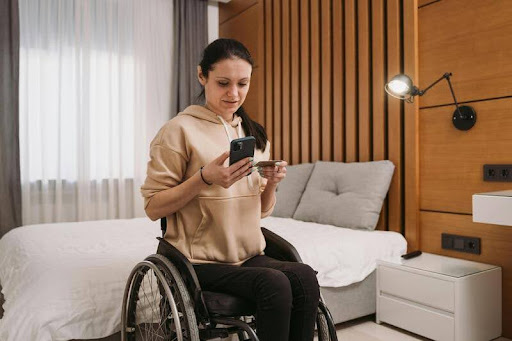
Modern comfort meets independence—accessible stays that actually work.
An approachable guide to planning inclusive, comfortable trips across the country
Travel should be for everyone. But let’s face it, navigating the U.S. while dealing with mobility limitations, sensory sensitivities, or other accessibility needs can sometimes feel more complicated than it should be. That’s exactly why accessible travel matters.
From hotel rooms, you can actually move around to attractions that welcome everybody and every ability. Inclusive travel isn’t just about checking boxes; it’s about giving everyone the chance to explore comfortably, confidently, and independently.
Whether you’re a traveler with a disability, planning a trip with someone who has accessibility needs, or just want to make thoughtful choices, this guide walks you through how to plan an accessible U.S. trip without the stress.
What is accessible travel, and why is it important?
Accessible travel means making sure people of all abilities can enjoy travel experiences without unnecessary obstacles.
It could mean ramps instead of stairs, audio guides for those with low vision, or quiet rooms for guests who need sensory-friendly spaces. For some, it’s the difference between being able to take a trip or staying home.
According to the CDC, about 1 in 4 U.S. adults has a disability that affects major life activities. That’s a huge portion of the population, and it’s growing as we all age.
So why should accessibility be an afterthought? It shouldn’t. Making travel accessible opens doors (literally and figuratively) and helps create a more welcoming, inclusive world.
What should you look for in an accessible hotel?
If you’ve ever arrived at a hotel labeled “ADA-compliant” only to find a narrow bathroom doorway or a steep ramp that feels more like a ski slope, you know not all “accessible” rooms are created equal.
Here are some key features to look for in a truly accessible hotel:
- Wider doorways and hallways to allow wheelchair access
- Roll-in showers with grab bars and handheld showerheads
- Lowered counters, thermostats, peepholes, and light switches
- Visual alarms for guests with hearing impairments
- Service animal–friendly policies and clear signage
Many hotels also offer assistive listening devices, tactile signage, or even mobile apps to enhance accessibility.
Pro tip: Always call ahead to confirm. Even if a website lists accessible features, asking specific questions can save you from surprises later.
How do you book accessible accommodations with confidence?
Booking accessible travel in the U.S. often requires a bit more research and a few extra steps.
Here’s what helps:
- Use accessibility filters on hotel booking sites (most major platforms have them).
- Call the hotel directly to confirm room details and request photos if needed.
- Ask about parking, entrances, and public spaces, not just the room itself.
- Read guest reviews, especially those from travelers with similar needs.
You want to know not just what’s advertised but how it actually works in real life. A ramp doesn’t help much if it’s blocked by planters or leads to a locked door.
What makes an attraction accessible for all visitors?
An accessible attraction is more than just wheelchair-friendly. It’s about designing an experience that includes everyone.
Here’s what to look for:
- Level pathways and ramps throughout the venue
- Accessible restrooms and seating areas
- Clear signs in large print or braille
- Assistive listening devices for tours and presentations
- Quiet rooms or sensory-friendly schedules for neurodiverse visitors
- Staff trained in accessibility awareness
Whether it’s a museum, a national park, or a performance venue, these features go a long way in making sure everyone enjoys the experience, not just navigates it.
What are some helpful tips for planning an accessible trip in the U.S.?
Planning ahead is key, especially when accessibility is a factor.
Here are a few smart moves:
- Contact hotels and attractions in advance to confirm accommodations.
- Build a flexible itinerary that allows time for breaks and unexpected needs.
- Use mapping tools to find step-free routes and accessible entrances.
- Plan transport connections carefully; first and last-mile logistics matter.
And don’t forget to bring any equipment, medication, or documentation you might need during the trip. Keep emergency contact info and a backup plan handy, too.
What’s the best way to navigate transportation accessibly?
Getting there and getting around can be half the battle. Luckily, many U.S. transportation systems are improving accessibility.
Here’s a quick overview:
- Air travel: U.S. airlines are required to accommodate assistive devices and allow early boarding. You can request wheelchair assistance ahead of time.
- Trains: Most Amtrak stations are accessible, and staff are trained to assist passengers with disabilities.
- Buses and shuttles: Public transit systems usually include lifts or ramps, priority seating, and audio announcements.
- Car rentals: Many companies offer adaptive driving devices or hand controls, but you’ll need to request these well in advance.
Before your trip, check accessibility information on transit websites or apps to avoid surprises when you’re on the move.
How do accessibility ratings or certifications help travelers?
It’s not always obvious whether a place is truly accessible until you get there. That’s where accessibility ratings and certifications come in.
You might see symbols like:
- Wheelchair icons indicating mobility access
- Hearing or vision icons for assistive tech
- ADA badges for compliance with the Americans with Disabilities Act
Some platforms and tourism organizations now offer verified ratings or detailed breakdowns of accessibility features, which help you make more informed choices.
Still, it’s wise to dig deeper than a single icon. Read the fine print and cross-check reviews whenever possible.
How do you speak up if accessibility needs aren’t met?
Let’s be real, things don’t always go as planned. If you run into issues with promised accommodations, you have the right to advocate for yourself.
Here’s how:
- Politely explain the issue to staff or management on-site.
- Request an immediate solution or alternative, don’t be afraid to push for what you need.
- Document the situation with photos or notes.
- File a complaint if necessary, especially for transportation or public services. The U.S. Department of Transportation, for example, accepts complaints related to air travel accessibility.
And finally, leave reviews. Your feedback helps other travelers and encourages businesses to do better.
Why is inclusive travel beneficial to everyone?
Even if you don’t have accessibility needs yourself, chances are someone you know does, or will. Accessibility isn’t just about ramps or reserved seating. It’s about respect, dignity, and the freedom to explore.
When more places commit to accessibility, everyone wins. Parents with strollers, older travelers, and people with temporary injuries all benefit from inclusive design.
So when you’re planning your next U.S. trip, take a moment to consider: Is this experience open to everyone? Choosing accessible hotels and attractions helps send a powerful message that everyone deserves to be part of the adventure.
Final thoughts: Let’s make travel more accessible, one trip at a time
Planning accessible travel in the U.S. might take a little more time and attention, but it’s worth it. Whether you’re exploring a new city, checking out a national park, or just enjoying a weekend away, everyone deserves a trip that feels welcoming, empowering, and fun.
So be thoughtful. Ask questions. Do your homework. And advocate not just for yourself, but for a future where travel is inclusive by default, not exception.
FAQs About Accessible Travel in the U.S.
Q: How can I find accessible hotels in the U.S.? A: Use booking sites with accessibility filters, read reviews from travelers with disabilities, and call the hotel directly to confirm key features.
Q: Are U.S. airlines required to accommodate travelers with disabilities? A: Yes. Under the Air Carrier Access Act, airlines must provide assistance such as wheelchair help, accessible seating, and transport of medical equipment.
Q: What public transportation options are wheelchair accessible? A: Most U.S. cities offer accessible buses and rail systems. Check local transit websites for details on lifts, ramps, and priority seating.
Q: What should I ask a hotel before booking an accessible room? A: Ask about door widths, bathroom setup (e.g., roll-in shower), bed height, accessible entrances, and the availability of visual or auditory aids.Q: Can I bring a service animal to hotels and attractions?A: Yes. Under the ADA, service animals are allowed in all public places, including hotels and attractions, regardless of pet policies.
About the Author