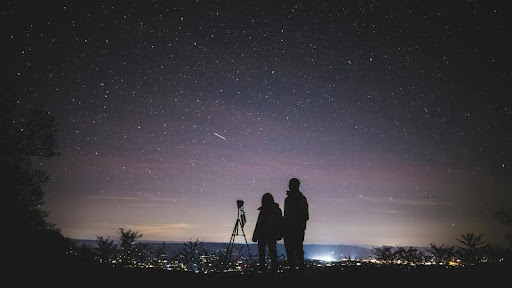
Sometimes, the best kind of date is just looking up.
Because the stars are meant for everyone, not just campers and professional astronomers
Ever looked up at the night sky and thought, “Wow, I wish I could really see the stars without all these city lights”? You’re not alone. Stargazing has taken off as more people are craving simple, peaceful experiences. But here’s the catch: a lot of the “best” stargazing spots out there are hard to get to. We’re talking permits, backcountry roads, and full-on hiking gear.
The good news? You don’t need to scale a mountain or pitch a tent in the wilderness to enjoy a star-filled sky. There are plenty of stunning stargazing locations in the U.S. that are actually accessible by car, on foot, and without turning it into an expedition.
In this guide, we’ll break down what makes a great stargazing spot, how to prep, and where you can go based on your region, no real-world names, just the types of places to look for. Ready to chase the stars the easy way?
What Makes a Good Stargazing Spot?
The best stargazing locations all have one thing in common: dark, open skies. But there’s more to it than just getting away from city lights.
Here’s what to look for:
- Low light pollution: This is non-negotiable. You’ll want to find areas away from urban glare. Check light pollution maps online; they’re super helpful.
- Open horizons: Flat fields, mountaintops, or coastlines give you a full view of the sky. Avoid spots with a lot of trees or buildings crowding your line of sight.
- Elevation (sometimes): Being a little higher up can help you cut through haze and atmospheric clutter. Not a must, but it helps.
- Clear weather: Obviously, stars don’t shine through clouds. Choose nights with low humidity and little to no cloud cover.
- Easy access: You’re here for spots that don’t require a hike-in or a four-wheel-drive vehicle. Think roadside turnouts, public parks, or open fields near quieter towns.
Why Is Accessibility Important for Stargazing?
Because not everyone’s down to hike five miles in the dark. And honestly, you shouldn’t have to.
Accessible stargazing spots open up the night sky to more people, families, folks with mobility limitations, and beginners who aren’t sure what gear to bring. They’re great for last-minute plans or spontaneous road trips, too.
Plus, let’s be real: sometimes, the best stargazing moments come from pulling off a quiet road and looking up.
How Should You Prepare for a Stargazing Trip?
You don’t need a telescope or a PhD in astronomy to enjoy the stars. But a little prep goes a long way.
Here’s a quick checklist:
- Dress for the chill – Even in summer, temperatures drop fast at night. Layer up and bring a blanket.
- Bring a chair or mat – Lying on the ground is less romantic when it’s damp or rocky.
- Use red flashlights – White light ruins night vision. Red LED lights are easier on the eyes (and your stargazing pals will thank you).
- Snacks and water – Staying hydrated and full makes the whole experience more enjoyable.
- Download a stargazing app – Free apps help you identify constellations, planets, and even satellite paths in real time.
- Arrive before sunset – Settle in, let your eyes adjust, and catch the transition from dusk to night. It’s magical.
What Are the Best Stargazing Locations by Region?
Let’s break it down. You won’t find specific park names here, but you will get a feel for the types of spots to look for, based on where you are in the U.S.
Northeast U.S. Stargazing Tips
Look for high-elevation parks or coastal spots with open views of the sky. Some of the best stargazing here happens in the fall and winter, when the air is crisp and clear.
- Try public areas near small lakes or rural town outskirts.
- Forested areas can be great, as long as there’s a clearing.
- Avoid summer humidity, as it tends to blur the view.
Southeast U.S. Stargazing Ideas
You’ll want wide open fields or flat nature reserves. While this region can be humid, dry nights in spring or late fall offer amazing visibility.
- Seek out less developed areas just outside suburban sprawl.
- Clearings near rivers or wetlands often provide big-sky views.
- Watch out for bugs, bring spray if you’re headed out in warmer months.
Best Places to Stargaze in the Midwest
Welcome to Big Sky Country. The Midwest is full of farmland and public land that’s perfect for stargazing.
- Gravel roads off highways often lead to quiet fields or hilltops.
- Lakeshores can offer stunning night reflections, just check the access rules.
- Even a county park on the edge of a small town can work wonders.
Where to Stargaze in the Southwest
This is desert stargazing at its finest. Clear skies, dry air, and wide-open landscapes are pretty standard here.
- Look for roadside pullouts or scenic overlooks off major routes.
- Flat desert areas away from city centers are gold for skywatchers.
- Stargazing is nearly a year-round activity; just bring water and watch for critters.
West Coast Stargazing Options
The West Coast gives you options, from beaches to mountains to quiet valleys. Just get out of the city glow.
- Coastal cliffs or inland ridges are great places to start.
- Even forested areas can be good if you find a meadow or open slope.
- Fog can be an issue, so check forecasts before heading out.
Northwest U.S. Stargazing Advice
It might be known for cloudy days, but when the sky clears in the Northwest, it really clears.
- Mountain foothills and high meadows are your best bet.
- Dry summer nights give you the clearest skies.
- Look for areas just outside national forests or away from major roads.
Tips for First-Time Stargazers
Just getting started? Here’s how to make your first stargazing trip feel magical, not overwhelming.
- Start with the basics – Find the moon. Spot the Big Dipper. Recognize Orion. You don’t need to ID every star.
- Use binoculars – A decent pair of binoculars can reveal craters on the moon or the moons of Jupiter. Not bad, right?
- Avoid screen time – Phones and tablets kill night vision. Turn down the brightness or use apps with dark modes.
- Take your time – Let your eyes adjust, breathe deep, and enjoy the silence. Stargazing is about slowing down.
When Is the Best Time to Stargaze?
Timing is everything if you want that “whoa” moment when you look up.
- New moon nights – Less moonlight = darker skies = more stars.
- Cool, dry evenings – Humidity and haze make stars look fuzzy.
- Meteor showers – Check calendars for major events like the Perseids (August) or Geminids (December).
- Late night or early morning – The longer you wait after sunset, the darker it gets.
According to the International Dark-Sky Association, about 80% of Americans can’t see the Milky Way from their homes. That’s why it’s worth finding a darker sky, even if it’s just an hour away.
FAQ: Stargazing in the U.S.
Q: What’s the best app for stargazing beginners?
A: SkyView, Star Walk 2, and Night Sky are all great for identifying stars and planets in real time.
Q: How far do I need to drive to see the stars clearly?
A: Usually, 30 to 60 minutes outside a major metro area can make a big difference. Look for dark patches on a light pollution map.
Q: Can I stargaze during a full moon?
A: Yes, but the moon’s brightness will wash out most stars. Stick to moonless nights for better visibility.
Q: Is it safe to go stargazing alone?
A: Stick to well-known spots, tell someone where you’re going, and avoid unfamiliar areas in total darkness. Bring a friend when you can.
Final Thoughts: Stargazing Doesn’t Have to Be Complicated
You don’t need a cabin in the woods or a telescope that costs more than your car. Stargazing is something you can do with a blanket, a thermos, and a clear sky. Whether you’re out in the country or just on the edge of town, there’s a little patch of sky waiting to be explored.
So next time you’re itching to disconnect from the noise, consider this: the universe has been putting on a show every night. You just need to look up.
About the Author