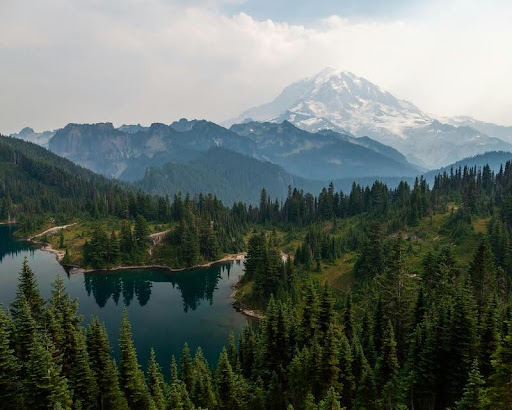
Snow-capped Mount Rainier with wildflower-covered meadows in the foreground
So, you’re planning a trip to a U.S. national park, but with over 400 sites managed by the National Park Service, where do you even begin? Choosing the right park isn’t just about picking the most popular one. It’s about matching your travel style, interests, and expectations with what the park has to offer.
Whether you’re a hardcore hiker, a chill photographer, or someone who just wants to soak in some peace and quiet under the stars, there’s a park that fits your vibe. Let’s break down how to figure out the right one for you, without the stress.
What Should I Think About Before Picking a National Park?
Start by getting clear on what you want. Ask yourself:
- Do I want an adrenaline rush or a relaxing escape?
- Am I into long hikes or more of a scenic drive kind of traveler?
- Am I traveling solo, with a partner, with young kids, or in a group?
Your answers will help narrow things down fast. For example, if you’re traveling with toddlers, a park with gentle trails and rest areas is going to be a better fit than one known for strenuous backcountry treks.
Also, consider how far you’re willing to go. Are you flying across the country or staying closer to home? Parks range from easy day-trip options to remote destinations that require more time and planning.
How Can I Choose a National Park Based on My Interests?
Let’s get specific. Here’s how to match your personality and travel goals with the right type of park.
Love Hiking and Outdoor Fitness? Look for Parks with Trail Variety
If you like the idea of spending your day moving, think hikes, scrambles, and climbs, choose parks with lots of trail options. Look for a good mix of beginner, moderate, and challenging routes so you can switch things up depending on your energy.
Elevation gain, trail surfaces, and access to water sources all matter. Some parks are made for mountain lovers. Others? More about long, flat walks with sweeping views.
Pro tip: Use the AllTrails app or the NPS website to scout trail maps and difficulty levels in advance.
Into Wildlife Watching? Choose Parks with Diverse Ecosystems
Are you the kind of traveler who gets excited spotting a deer or eagle? Then your park pick should be driven by biodiversity.
Some parks offer better opportunities for seeing wildlife, especially if you go early in the morning or near sunset. Look for places with wetlands, forests, or wide plains, since these attract more animal activity.
Remember, some wildlife is seasonal.
Migration patterns, hibernation, and climate changes can all affect what you’ll see and when.
Want Breathtaking Scenery for Photography? Focus on Landscape Variety
If your phone’s always out or you travel with a DSLR in hand, go for parks with photogenic features: dramatic cliffs, wide open vistas, waterfalls, or stark desert landscapes. The more varied the environment, the more visual interest you’ll get.
Timing matters here, too. Early morning and late afternoon (aka the golden hours) deliver the best light for those Instagram-worthy shots.
Love Water Activities? Search for Parks with Lakes, Rivers, or Coastlines
If your idea of a good time includes swimming, kayaking, or just sitting by the water, look for parks that have accessible lakes, rivers, or ocean shores.
Some parks are water-lover paradises with everything from calm canoeing routes to thrilling whitewater rapids. Just check if permits are needed or if water levels are safe during your visit.
Also, don’t forget your swimsuit or water shoes. You’d be surprised how many parks have hidden swimming spots!
Interested in History and Culture? Visit Parks with Rich Heritage
Not all national parks are about nature. Many protect places with deep cultural significance, historic landmarks, or Indigenous heritage. If you’re a history buff or just want a meaningful, educational experience, these parks deliver.
Look for parks that offer ranger-led talks, interpretive signs, or museums. Bonus if they have walking tours, cultural demonstrations, or living history programs.
Want Dark Skies and Stargazing? Go Remote and Check for Low Light Pollution
Love looking up at the stars? Some parks are famous for their night skies. If stargazing is high on your list, go for locations with little to no light pollution.
Look up if the park is a certified International Dark Sky Park; it means the stargazing is next level. Many of these parks offer nighttime programs with telescopes or guided constellation walks.
Tip: Avoid full moons if you want to see more stars.
Does Season or Weather Matter When Choosing a Park?
Absolutely. The best time to visit a park can vary widely. Some are amazing in summer but miserable in winter, or vice versa.
When planning, check:
- Average temps
- Snowfall or rainfall
- Fire season risks
- Peak tourist season (think: summer breaks, long weekends)
Spring and fall are often sweet spots, with fewer crowds, better weather, and beautiful seasonal color changes.
What’s the Best Way to Choose a Park Based on Time and Distance?
Short on time? Choose a smaller or closer park that you can explore in a day or two. Planning a week-long vacation? That opens the door to parks with more ground to cover.
Also, think about travel logistics. Will you be flying, driving, or taking a mix of both? Some parks are easy to reach and have shuttle systems or guided tours. Others may require long drives, special permits, or limited access roads.
Don’t forget to factor in jet lag or elevation changes if you’re coming from far away.
What Amenities and Access Should I Look For?
Not all parks have the same level of comfort. If amenities matter to you, like visitor centers, flush toilets, food options, or lodging, you’ll want to check those details beforehand.
Accessibility matters, too. Some parks have paved trails, shuttle buses, and accessible viewpoints. Others may be rugged and remote.
Traveling with kids, older adults, or anyone with mobility concerns? Go for parks that are known to be family-friendly or have ADA-compliant features.
What Online Tools Can Help Me Find the Right Park?
You don’t have to figure it all out on your own. Here are a few go-to tools to make planning easier:
- National Park Service (NPS.gov): Filter parks by state, activity, or interest
- Recreation.gov: Check for reservations, permits, and campsite availability
- AllTrails: Find trail reviews, maps, and difficulty levels
- Google Maps & Reviews: Get travel time estimates and real-time insights
Use filters like “good for kids,” “easy hikes,” or “wildlife viewing” to narrow your list.
Final Tips for Choosing the Perfect National Park
Still torn between a few options? Here are a few last pointers:
- Don’t over-plan. Leave room for surprises and spontaneous detours.
- Trust your gut, sometimes one park just “feels” right.
- Think about combining parks if you’re in an area with more than one nearby.
- Always check for closures, alerts, or weather-related updates before your trip.
Frequently Asked Questions (FAQ)
What is the best national park for first-time visitors? It depends on your interests. Pick a park that’s easy to access, has a variety of activities, and doesn’t require intense planning or permits.
How do I find national parks near me? Use the National Park Service website or Google Maps. Search by state or region to see what’s nearby.
What should I pack for a national park visit? Essentials include water, snacks, layers, sunscreen, a map, and comfortable shoes. Bring extras based on your activities (like binoculars for wildlife or a swimsuit for water parks).
Do I need a reservation to visit a national park? Some parks require timed entry or camping permits, especially during peak season. Always check NPS.gov ahead of time.
How do I avoid crowds in national parks? Visit during shoulder seasons (spring/fall), go on weekdays, and explore early in the morning or later in the afternoon.
Ready to Find Your Park?
You don’t need to be a nature expert or seasoned hiker to enjoy America’s national parks. You just need a sense of what you love, and a little help matching that to the right spot.
So take a few minutes, think about your ideal day in nature, and let that guide your search. With the right park, your trip won’t just be scenic, it’ll be unforgettable.
About the Author