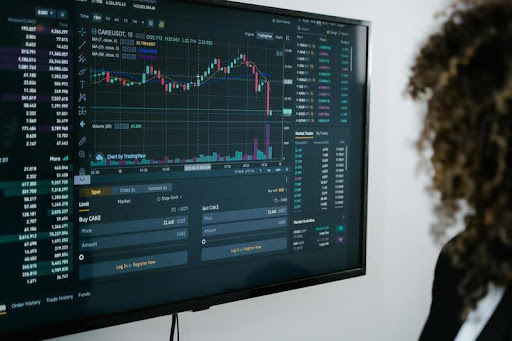
Crypto in motion—tracking market shifts in real time.
Which platform should you trust with your crypto? Let’s break it down.
Cryptocurrency isn’t just a buzzword anymore; it’s become a big part of how people invest, trade, and even save. But before you dive in and buy your first Bitcoin or altcoin, there’s one major decision you need to make: which crypto exchange should you use?
With so many platforms out there, choosing the right one can feel overwhelming. You’ve probably heard names like Binance, Coinbase, and Kraken thrown around, but what actually sets them apart? And more importantly, which one is the best for you?
This guide walks you through the top 5 crypto exchanges without any fluff or sales talk. Just a clear, head-to-head comparison based on what actually matters.
What Should You Look for in a Crypto Exchange?
Before we jump into the individual platforms, let’s get clear on the key things to consider. Not all exchanges are created equal, and depending on your goals, whether it’s day trading, long-term holding, or just dipping a toe into crypto, your ideal pick could be very different from someone else’s.
1. How important are trading fees when using a crypto exchange?
Very. Fees can quietly eat into your profits if you’re not careful.
Most platforms charge maker and taker fees, basically, whether you’re adding liquidity to the market or taking it away. On average, expect to see fees in the range of 0.1% to 0.5% per trade. Some exchanges offer discounts if you use their native token or hit a certain trading volume.
Also, keep an eye on deposit and withdrawal fees. Bank transfers may be free or low-cost, while credit card deposits or crypto withdrawals could be pricey. Always check the fine print.
2. What coins can you trade on each platform?
It depends; some exchanges only offer the big names like Bitcoin (BTC) and Ethereum (ETH), while others give you access to hundreds of altcoins.
If you’re a casual investor, a smaller selection might be fine. But if you’re looking to diversify or explore newer tokens, the range of supported cryptocurrencies really matters.
3. Is the platform easy to use, especially for beginners?
Some crypto exchanges are sleek and simple. Others? Not so much.
If you’re new to crypto, a clean interface and user-friendly experience can make all the difference. Look for platforms that offer:
- Easy onboarding and ID verification
- Mobile apps with intuitive dashboards
- Clear options for buying, selling, and tracking performance
Advanced traders might prefer exchanges with tools like stop-limit orders, trading bots, or detailed charts. But for most folks, simplicity wins.
4. How secure are crypto exchanges today?
Let’s be honest, crypto still carries risk. That’s why security is non-negotiable.
Good platforms use industry-standard features like:
- Two-factor authentication (2FA)
- Cold storage for user funds
- Insurance against breaches or losses
- Regular audits and transparency reports
And don’t forget: even the best exchange can’t protect you from poor password habits. So do your part too.
5. Can I use this exchange in my state?
Some exchanges aren’t available in all U.S. states due to regulations.
That’s where compliance comes in. You’ll often need to complete KYC (Know Your Customer) verification, uploading an ID, and sometimes even a selfie.
Check if the exchange is:
- Licensed to operate in your state
- Compliant with U.S. laws like the Bank Secrecy Act
- Transparent about its terms of service
No one wants to go through the signup process only to find out they can’t use the platform.
The Top 5 Crypto Exchanges: Pros, Cons, and Who They’re Best For
Let’s get into it. Here’s a breakdown of the five major platforms most people in the U.S. come across when starting out in crypto.
Binance. US, Best for Low Fees and High Volume
Binance.US is the U.S. branch of one of the world’s biggest crypto exchanges. It offers low trading fees, access to a wide range of cryptocurrencies, and a powerful interface.
What stands out:
- Some of the lowest trading fees around
- Advanced tools for serious traders
- Supports a growing list of coins
What to watch out for:
- Limited availability in a few U.S. states
- It can feel a bit overwhelming to beginners
Best for: Experienced traders or anyone looking to save on fees.
Coinbase, Best for Beginners Who Want Simplicity
Coinbase is probably the most recognizable name in the U.S. crypto world, and for good reason. It’s easy to use, fast to set up, and has a polished app.
What stands out:
- User-friendly interface and onboarding
- Solid security features
- Educational resources to earn crypto
What to watch out for:
- Higher fees than many competitors
- Limited tools for advanced traders
Best for: Newcomers who want a straightforward experience.
Kraken, Best for Security-Conscious Traders
Kraken has been around for a while and has built a strong reputation for security and reliability.
It offers more advanced trading options but still keeps things accessible.
What stands out:
- Excellent security track record
- Support for margin trading
- Fair fee structure
What to watch out for:
- The interface can be a little clunky
- The verification process may take time
Best for: Users who value security and don’t mind a steeper learning curve.
Exchange #4, Strong Mid-Tier Option for Balance
This platform balances ease of use, fair fees, and a growing feature set. It’s often overlooked but worth considering if you want a blend of simplicity and function.
What stands out:
- Balanced features for casual and intermediate users
- Competitive fee tiers
- Good mobile experience
What to watch out for:
- Fewer coins compared to larger exchanges
- Slower response times on support
Best for: Users looking for a solid, middle-of-the-road exchange.
Exchange #5, Best for Advanced Features and Customization
If you’re into detailed charts, API trading, or high-speed execution, this one checks all the boxes. Designed for more seasoned users, it doesn’t skimp on flexibility.
What stands out:
- Deep customization options
- Excellent for frequent traders
- Detailed market analytics
What to watch out for:
- It can be intimidating for beginners
- The interface isn’t as sleek or modern
Best for: Experienced traders who want full control.
Side-by-Side Crypto Exchange Comparison
Here’s a quick look at how these top exchanges stack up:
| Exchange | Fees | Coins Supported | Ease of Use | Security Level | Best For |
| Binance.US | Very Low | Broad | Moderate | High | Budget-focused traders |
| Coinbase | High | Moderate | Very High | High | Beginners |
| Kraken | Moderate | Broad | Moderate | Very High | Security-first users |
| Exchange #4 | Moderate | Moderate | High | High | Balanced user needs |
| Exchange #5 | Low to High | Broad | Low | High | Advanced traders |
What’s the Best Way to Choose a Crypto Exchange?
Start by asking yourself a few simple questions:
- Are you brand new to crypto or an experienced trader?
- How often do you plan to trade?
- What kind of coins are you interested in?
- How important is customer support or mobile access?
From there, match your priorities to the platform that best supports them. Don’t just chase the lowest fees; make sure the interface, support, and security measures are up to your standards.
And here’s a tip: You don’t have to stick with just one exchange. Many traders use one platform to buy crypto and another to trade or store it securely.
Final Thoughts: Which Crypto Exchange Is Right for You?
There’s no one-size-fits-all answer here. Whether you want the clean simplicity of a beginner-friendly platform or the advanced tools of a pro-level exchange, it all depends on your goals.
Just remember: start small, do your research, and never invest more than you’re prepared to lose.
Crypto can be exciting and profitable, but only if you treat it with respect.
Quick FAQ: Common Crypto Exchange Questions
Q: What is the safest crypto exchange in the U.S.? A: Platforms with strong security protocols, such as 2FA, cold storage, and insurance protection, are generally considered safest. Always look for platforms with a clean track record.
Q: Which crypto exchange has the lowest fees? A: Binance.US typically offers the lowest fees, especially for high-volume traders. Be sure to check their current fee tiers.
Q: Can I use more than one crypto exchange? A: Yes, many users open accounts on multiple platforms to take advantage of different features or coin offerings.
Q: Do I need to verify my identity to use a crypto exchange? A: Most U.S.-based exchanges require KYC verification for full access, especially for withdrawals or higher limits.
Q: Are crypto exchanges insured? A: Some offer insurance for digital assets stored in hot wallets, but your funds are not FDIC-insured like a bank. Always read their terms.Ready to start trading? Compare your top picks, test out the interface with a small deposit, and explore which platform really fits your style.
About the Author