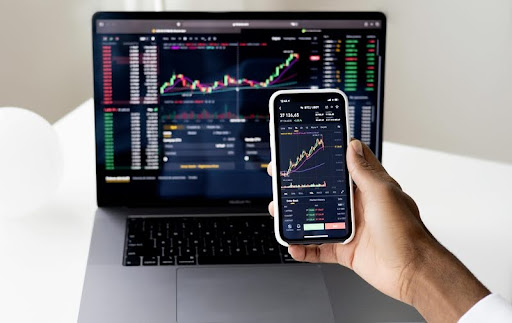
Balancing screens and strategy—some crypto traders blend manual and automated tools on the go.
If you’ve been dabbling in the crypto space, or even just thinking about it, you’ve probably asked yourself one big question: Should I trade manually or let a bot do the work? It’s a fair question. With so many platforms promising gains through automation and others emphasizing the power of hands-on strategy, it’s easy to get stuck in analysis mode.
So, let’s break it all down. No hype. No fluff. Just a real conversation about what manual and automated crypto trading actually look like, how they stack up, and how to figure out what fits your style.
What is manual crypto trading, and how does it work?
Manual crypto trading means you’re the one calling the shots. You log into your platform, analyze the charts, make your moves, and execute every trade yourself. It’s like day trading in traditional stock markets, just with digital currencies that never sleep.
Manual traders rely on:
- Chart analysis (think candlesticks and moving averages)
- Market news and social sentiment
- Personal judgment based on experience or gut feeling
It’s active, intense, and, you guessed it, very hands-on. You’re in control of every decision, from when to buy to when to cash out.
What is automated crypto trading?
Automated crypto trading is when you let algorithms or bots make trades for you, based on predefined rules. You can use pre-built bots or program your own. Either way, the goal is to let the software monitor markets and execute trades 24/7, without needing your constant attention.
This approach often involves:
- Setting specific strategies or parameters (like “buy Bitcoin if it drops below K”)
- Using trading bots from platforms like 3Commas, Pionex, or CryptoHopper
- Integrating with exchanges via API to automate trades
It’s less about emotional decision-making and more about sticking to logic and data. You don’t need to be glued to a screen, and the system doesn’t care if it’s 2 a.m. or Thanksgiving dinner time.
Manual vs. automated crypto trading: What are the main differences?
Here’s where things start to get interesting. Let’s compare the two side by side.
| Feature | Manual Trading | Automated Trading |
| Speed | Slower, limited by human reaction time | Lightning-fast, executes instantly |
| Emotions | Very human, fear and greed play a role | No emotions, just logic |
| Control | Full control over every decision | Limited, relies on the rules you set up |
| Consistency | Varies with your mood and focus | Very consistent (if programmed correctly) |
| Scalability | Harder to manage multiple pairs | Easy to scale and monitor many trades |
| Learning curve | Lower barrier to entry | May require coding or platform knowledge |
See the pattern? Manual trading gives you flexibility and full control, but you’ll need to manage emotions and stay alert. Automated trading offers speed and scale, but you have to trust the system you set up.
Why do some people prefer manual crypto trading?
There are some clear upsides to staying hands-on.
1. You’re in control. Every single trade goes through your brain first. You get to adjust your strategy on the fly, react to unexpected news, and take a break when the market feels shaky.
2. It’s personal. You can fine-tune your trades based on your intuition, goals, or style. For some traders, that human edge feels essential, especially in a market as volatile and unpredictable as crypto.
3. No technical setup. You don’t need to code or manage APIs. Just log in, read the chart, and trade.
But… there’s a flip side.
The drawbacks: Manual trading eats up time. It can be stressful, especially in fast-moving markets. And when emotions take over? That’s when people make costly mistakes, like holding too long, panic selling, or revenge trading after a loss.
What are the pros and cons of automated crypto trading?
Let’s start with the good stuff.
1. It runs 24/7. Crypto markets never close. Bots don’t sleep. That means your strategy keeps working, even when you’re off the grid.
2. Emotion-free trading. Bots don’t get nervous or greedy. They don’t chase losses or second-guess themselves. That alone can save you from a lot of bad trades.
3. Multi-tasking made easy. Want to trade five currency pairs at once? Ten? No problem. Bots can juggle multiple trades in real time.
But again, no system is perfect.
Here’s what to watch out for:
- You need the right strategy. A poorly programmed bot can rack up losses fast.
- It takes technical know-how. Many platforms require setting parameters or understanding market indicators.
- Glitches happen. Internet issues, bugs, or faulty APIs can interrupt performance.
So while automated trading can be powerful, it’s not a plug-and-play miracle. You still need to monitor it, tweak your settings, and do some maintenance.
What’s the best option for beginners in crypto trading?
Honestly, it depends on your style and patience.
If you’re brand new and want to learn the ropes, manual trading is a good way to build understanding. You’ll develop a feel for the market, learn what different indicators mean, and get a better sense of how crypto reacts to news and trends.
On the other hand, if you’re tech-savvy or short on time, a simple bot with a conservative strategy might help you dip your toes into automation while avoiding emotional trades.
The key? Start small. Whether you go manual or automated, don’t risk more than you can afford to lose, and treat every trade as a learning opportunity.
Can you combine manual and automated crypto trading?
Absolutely, and many smart traders do.
A blended approach might mean:
- Using bots to handle repetitive or high-frequency trades
- Managing big-picture strategy manually
- Overriding your bot in specific situations
Think of it like using autopilot on a plane. It handles cruising, but the pilot still takes over during turbulence or landing.
Blending both methods gives you the best of both worlds, automation for efficiency and human insight for complex decisions.
How do you choose the right trading method for your goals?
Ask yourself a few key questions:
- Do you enjoy analyzing markets and making quick decisions?
- How much time can you realistically commit each day or week?
- Are you comfortable with tech tools or coding?
- What’s your tolerance for risk, and for stress?
There’s no single “winner” in the manual vs. automated trading debate. But there is a clear path that fits you. And that’s the one you should follow.
Final thoughts: So, which one wins?
Here’s the truth: neither manual nor automated trading is automatically better. Each has its strengths. Each has its downsides. The real win is understanding the tools available and using the one that best supports your style, goals, and mindset.
Some traders swear by instinct and hands-on action. Others sleep better knowing a bot is running their strategy exactly as planned. The only “wrong” choice? Jumping in blindly without a strategy.
So before you decide, take a moment. What kind of trader do you want to be?
FAQ: Manual vs. Automated Crypto Trading
Q: Is automated crypto trading good for beginners? A: It can be if you’re tech-savvy and use simple bots with clear parameters. Beginners should still learn the basics of market behavior first.
Q: Can I lose money with crypto trading bots? A: Yes. Bots follow programmed rules but can still make poor trades if the strategy isn’t solid or market conditions shift.
Q: Is manual trading more profitable than automated? A: Not always. Profitability depends on the trader’s skill, strategy, and discipline, whether human or machine.
Q: What’s the best way to start automated trading? A: Use a reputable platform with backtesting tools. Start with a demo account or low-risk strategy to test before scaling up.
Q: Can I use both manual and automated trading at the same time? A: Yes. Many traders blend both to balance flexibility and efficiency.
About the Author