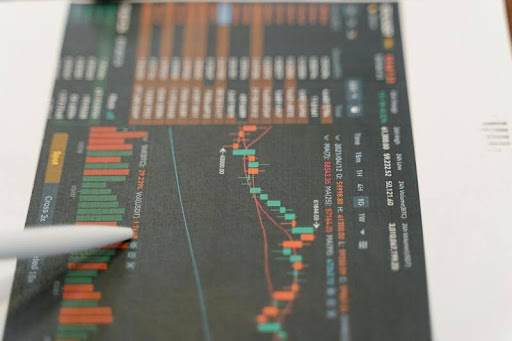
Visualizing crypto backtesting in action—where data meets decision-making.
If you’ve ever found yourself wondering, “How can I know if my crypto trading strategy works before I risk real money?”, you’re not alone. That’s where backtesting comes in.
Backtesting is one of the smartest things any crypto trader (whether you’re just starting or knee-deep in altcoins) can do to avoid making costly mistakes. But here’s the thing: doing it right takes more than just running your strategy through some old data and calling it a day. You need the right tools, the right mindset, and a solid understanding of what backtesting can (and can’t) tell you.
So let’s break it all down, no jargon overload, no fluff. Just clear, straight-to-the-point info to help you make smarter trading decisions.
What is backtesting in crypto trading?
Backtesting is a method for testing a trading strategy using historical market data to see how it would have performed in the past.
Think of it like a crypto trading time machine. You plug in your strategy’s rules, when to buy, when to sell, how much to risk, and see how it would’ve handled real market movements from the past. The goal? To get a sense of whether your strategy has potential before you put your money on the line.
Backtesting helps you answer important questions like:
- Would this approach have made money?
- How often would it have lost?
- What kind of drawdowns would I have had to stomach?
It’s worth noting: Backtesting is not the same as forward testing or paper trading. Forward testing runs your strategy in real time using current market data without executing trades. Paper trading simulates real trades without using real funds. Backtesting, on the other hand, lets you fast-forward through history to analyze performance quickly.
What do you need to backtest a crypto strategy?
To backtest effectively, you’ll need a few things working together:
1. Clean Historical Data
You can’t test a strategy on bad data and expect good results. Look for high-quality price data with accurate timestamps and volume information. Some platforms even offer order book data if you’re testing more advanced strategies.
2. Entry and Exit Rules
These are the if-this-then-that rules that tell your strategy when to buy or sell. The simpler and clearer they are, the easier it is to test.
3. Risk Management Parameters
Things like how much capital you allocate per trade, your stop-loss levels, or how many trades you make at once.
These rules protect your downside, so they’re crucial.
4. Performance Metrics
This is how you measure success. Are you looking at total return? Maximum drawdown? Win/loss ratio? Sharpe ratio? These stats tell you how risky and profitable your strategy is.
Without these four elements, you’re just guessing.
What are the best tools for backtesting crypto strategies?
There are tons of tools out there, but not all are created equal. So, what’s the best way to backtest crypto strategies without getting overwhelmed?
Manual Backtesting Tools
For beginners or visual learners, some traders prefer using tools like TradingView, where you manually go through charts and simulate trades. It’s slower but good for learning.
Algorithmic Backtesting Platforms
If you’re more technical (or want automation), platforms like Backtrader, QuantConnect, and CryptoQuant let you code your strategies and run them on extensive historical data sets.
Features to Look For:
- Access to high-quality historical data
- Ability to model trading fees, slippage, and liquidity
- Customizable strategy parameters
- Performance analytics and visualization
- Paper trading options to transition to live testing
Open-source tools are great if you’re comfortable with Python or other coding languages. Paid platforms usually offer easier interfaces, better support, and plug-and-play features, which might be worth it if you value time.
How do you backtest a crypto strategy effectively?
Here’s where it gets real. Anyone can run a backtest, but doing it right? That takes a bit of finesse.
Use Quality Data
Garbage in, garbage out. If your data isn’t clean, your results won’t be accurate. That includes accounting for exchange outages, data gaps, or inaccurate volume readings.
Factor in Fees, Slippage, and Latency
Too many people forget this part. Every trade in the real world comes with friction, transaction fees, price slippage, and execution delays. Ignoring them leads to overly optimistic results.
Keep It Simple
Complex strategies may look fancy, but they’re often harder to maintain and more prone to overfitting (more on that soon). Stick to simple, repeatable rules you can explain in plain English.
Be Consistent
Test all strategies using the same conditions. If you change one thing, log it. The more disciplined your process, the more reliable your backtest results will be.
What are common backtesting mistakes to avoid?
Let’s face it, there are a lot of ways to mess this up. Even experienced traders fall into these traps.
Overfitting
This happens when you tweak your strategy too much to make it perform well on past data, even if it wouldn’t do well on future data. It’s like studying for a test by memorizing the answers instead of learning the concepts.
Ignoring Market Conditions
Crypto markets evolve. What worked during a bull run might flop in a sideways market. Don’t assume one good stretch means your strategy is foolproof.
Forgetting Fees and Liquidity
If your strategy trades a ton but doesn’t factor in fees, you’re not seeing the full picture. Same goes for assets with low liquidity, your trades might not fill like you think they will.
Using Too Little Data
Testing over a few days or weeks isn’t enough. The best strategies are tested across multiple market cycles, bulls, bears, and sideways slogs.
Misreading the Metrics
Just because a strategy shows a high return doesn’t mean it’s safe or sustainable. A great strategy balances profit with risk.
How do you read and understand backtest results?
Once your backtest is done, how do you know if the results are good?
Start with the basics:
- Total Return – How much money did it make (or lose)?
- Max Drawdown – What was the worst losing streak?
- Win Rate – What percentage of trades were profitable?
- Sharpe Ratio – How much return you get for the risk you took
Then ask:
- Is the performance consistent?
- Are the results too perfect?
- Did the strategy survive volatile swings?
If something feels too good to be true, it probably is.
Does backtesting guarantee future performance?
Nope. Backtesting gives you insight, not certainty.
Markets change. Sentiment shifts. Regulations evolve. Crypto is especially wild compared to traditional markets. Just because a strategy worked last year doesn’t mean it’ll work this year.
But here’s what backtesting does:
It gives you a framework. A foundation. It helps you learn, tweak, and evolve before money is on the line.
It’s not a crystal ball, but it’s a great flashlight.
Final Thoughts: Is backtesting worth your time?
Absolutely. If you’re serious about crypto trading, even casually, it’s one of the most useful habits you can build. Done right, it saves time, protects capital, and gives you confidence when it’s time to go live.
So next time you’re tempted to “just try it and see what happens,” take a beat. Run a backtest. Get the data. Make sure your strategy stands a fighting chance.
And remember: no strategy is perfect. But a tested one is always better than a blind one.
FAQ: Backtesting Crypto Strategies
What is the purpose of backtesting a crypto strategy?
Backtesting helps traders see how their strategies would have performed historically, reducing guesswork before using real money.
What’s the best free tool for backtesting crypto?
TradingView offers a beginner-friendly environment for manual testing. For coders, Backtrader is a powerful open-source option.
How much data do I need for a reliable backtest?
Ideally, use data covering at least one full market cycle, bull and bear trends. The more diverse the conditions, the better.
What metrics should I look at in backtesting results?
Focus on total return, drawdowns, Sharpe ratio, win rate, and consistency over time.
Can backtesting guarantee profits in real trading?
No. While it helps validate ideas, real-world conditions and emotions can affect outcomes.
Ready to put your strategy to the test?
Start with clean data, set clear rules, and keep your expectations grounded. Backtesting isn’t magic, but it is one of the smartest steps you can take toward trading success.
About the Author