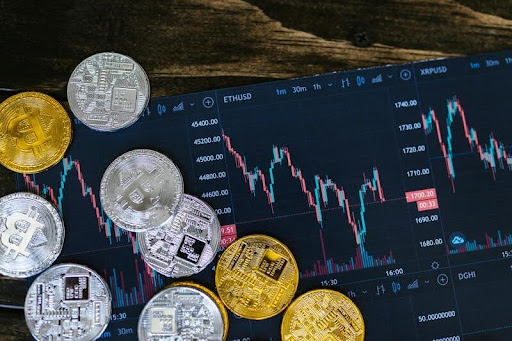
Tracking your trades? It all starts with knowing the numbers behind the coins.
So, you’ve started trading crypto. Maybe you’ve had a few wins. Maybe you’ve taken a few hits. Either way, you’re in the game. But here’s the real question: Do you know how well you’re doing?
If you’re not tracking your crypto trading performance, you’re flying blind. And in a market as fast and volatile as crypto, that’s a risky move. The good news? It’s not that hard to start tracking like a pro, and once you do, you’ll trade smarter, not just harder.
Let’s walk through exactly how to do that, step by step, without any fluff.
Why Should You Track Your Crypto Trading Performance?
Because what you don’t measure, you can’t improve.
Crypto trading isn’t just about luck or gut feelings. Sure, instincts play a role, but consistent profits come from making informed, data-backed decisions. And that means tracking your trades.
When you track your trading performance, you get real answers to questions like:
- Are my trades profitable overall?
- Which strategies are working, and which ones aren’t?
- Am I taking on too much risk without realizing it?
By keeping an eye on your numbers, you gain insight, control, and confidence. You’re no longer reacting to the market, you’re learning from it.
What Are the Most Important Crypto Trading Metrics to Track?
To trade like a pro, you need to track like a pro. That means going beyond just knowing if you made or lost money. Here are the key metrics that matter:
1. Profit and Loss (P&L)
This is your bottom line. Are you up or down overall? How much are you gaining, or losing, per trade?
2. Win/Loss Ratio
How many of your trades are winners versus losers? A high ratio doesn’t always mean success if your losses are huge, but it’s still a key health check.
3. Average Return per Trade
What’s the typical gain or loss per trade? This gives you insight into how consistent and effective your strategy really is.
4. Risk/Reward Ratio
How much are you risking to earn your rewards? A solid strategy usually aims for at least a 1:2 ratio, risking to potentially earn.
5. Drawdown
What’s the biggest dip your account has taken from peak to trough? Drawdown helps you understand how much pain your strategy can bring.
6. Trade Frequency and Holding Periods
Are you overtrading? Holding too long or too short? These habits can quietly eat into profits.
Track these regularly, and you’ll start seeing the patterns behind your performance.
How Do You Start a Crypto Trading Journal?
Simple: Just start writing stuff down.
A trading journal is your roadmap. It doesn’t have to be fancy, but it does have to be consistent. Whether you use a notebook, spreadsheet, or a tracking app, the idea is the same, record what you’re doing and why.
Here’s what to include in your journal:
- Date and time of the trade
- The asset (e.g., BTC, ETH, etc.)
- Entry and exit price
- Trade size
- Strategy used (trend following, breakout, scalping, etc.)
- Reason for entry
- Outcome (profit or loss)
- Notes on how you felt during the trade
Yep, how you felt. Emotions matter. Fear and greed can sneak into your trades and wreck your plan. When you start seeing how your feelings line up with your outcomes, you gain an edge most traders miss.
If you want to go digital, tools like Notion, Excel, or free online templates can help you log and filter data quickly. Don’t overthink it, just make it a habit.
What’s the Best Way to Track Crypto Trades Automatically?
If you hate spreadsheets, automation is your friend.
Let’s be real: manually logging every trade can be a pain, especially if you’re trading a lot. Fortunately, there are plenty of tools that can automate the tracking process.
Look for tools that offer:
- API integration with exchanges
- Real-time P&L updates
- Custom tags and filters
- Risk analysis and visual dashboards
- Exportable data for reports
Some traders prefer all-in-one portfolio trackers, while others stick with custom-built spreadsheets. The “best” tool is the one you’ll use.
Pro tip: Even with automation, it’s still worth doing a quick manual review now and then, just to make sure everything adds up and you’re not missing context.
How Often Should You Review Your Crypto Performance?
Regular reviews keep you sharp.
You don’t need to obsessively check your trades every hour (unless you’re day trading), but regular check-ins are a must. Here’s a simple schedule:
- Daily: Quick notes and emotional reflections.
- Weekly: Summarize wins/losses and strategy results.
- Monthly: Review metrics and make tweaks.
- Quarterly: Deep-dive into what’s working and what’s not.
Think of this like reviewing your fitness progress. You wouldn’t expect to hit goals without checking your weight or reps, right? The same goes for trading.
Set calendar reminders if you have to. Consistency is everything.
What Are Common Mistakes to Avoid When Tracking Trades?
Tracking the wrong way is almost as bad as not tracking at all.
Here are the most common slip-ups traders make:
1. Only Tracking Profits
Big mistake. You need to track why you profited or lost, not just the amount.
2. Skipping Small Trades
Every trade tells a story, even the tiny ones. Small trades can reveal big habits.
3. Ignoring Fees and Slippage
Crypto trading fees vary by platform. Over time, they add up. Always factor them in.
4. Forgetting to Review Regularly
Data is useless if you’re not using it. Make reviewing your trades part of your weekly routine.
How Can You Use Trading Data to Improve Your Strategy?
Your past trades are a goldmine, if you dig into them.
When you spot recurring mistakes, you can fix them. When you notice what’s working, you can double down. That’s how pros refine their strategies.
Ask yourself:
- Which setups consistently perform well?
- Do I exit too early or too late?
- Are there days or times when I tend to trade worse?
This self-analysis turns your data into actual strategy evolution. That’s the difference between gambling and building a skill.
Conclusion: Start Tracking Today, Trade Smarter Tomorrow
Tracking your crypto trading performance doesn’t have to be complicated. But it does need to be consistent. Whether you’re using a simple spreadsheet or a full-blown analytics tool, the key is paying attention.
So, take a moment today to ask yourself: Do I know how I’ve been trading lately? If the answer is “kind of” or “not really,” then it’s time to change that.
Start small. Stay honest. Review often. And watch how much sharper you become over time.
Crypto Trading Performance Tracking FAQ
What is the best tool to track crypto trades?
The best tool is the one you’ll consistently use. Options include spreadsheets, Notion, and crypto portfolio trackers with API integrations.
How often should I track my trades?
Track trades after each session, then review weekly and monthly for patterns and strategy tweaks.
Is it worth tracking small trades?
Yes. Small trades reveal trends in your behavior and help you build better habits over time.
Should I track my emotions, too?
Absolutely. Emotions like fear or greed influence trades. Logging them helps you stay self-aware.
Can I automate crypto trade tracking?
Yes. Many tools connect directly to exchanges and pull in data automatically, saving you time and effort.
About the Author