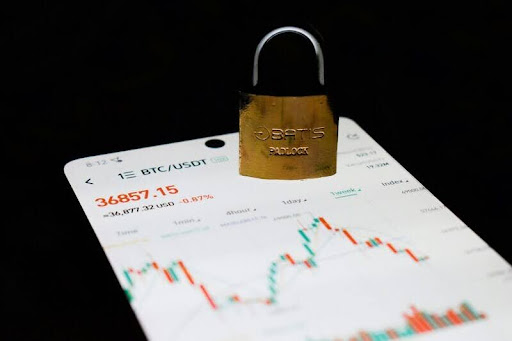
Lock it down—protecting your crypto starts with smart security and risk management
Crypto can feel like the Wild West. One minute, your portfolio is up 20%. The next? It’s crashing faster than a meme coin with a typo in its name. So, how do you ride the crypto wave without wiping out?
Let’s talk about risk management, because making gains is great, but keeping them? That’s the real flex.
What makes crypto riskier than traditional investing?
Answer: Crypto is a 24/7, highly volatile market with limited regulation, which means price swings, scams, and security issues are far more common.
Unlike stock markets, which sleep at night and follow more structured rules, crypto trades around the clock. And that means anything, news, rumors, tweets, can send prices flying or tanking in seconds.
Add to that the lack of centralized regulation, tons of altcoins with questionable use cases, and exchanges with spotty security, and you’ve got a market that demands a totally different risk mindset.
Why is risk management so important in crypto trading?
Answer: Because the market moves fast, and without a plan, it’s easy to make emotional decisions that lead to big losses.
Crypto isn’t forgiving. You can be right about the trend and still get wrecked if you don’t manage your exposure. Risk management keeps your emotions in check and your money where it belongs, in your wallet.
A solid risk management plan doesn’t just protect your money. It protects your peace of mind.
How do I build a healthy risk mindset for crypto?
Answer: Focus on protecting your capital first, define your personal risk tolerance, and avoid emotionally driven trades.
Let’s be real, FOMO is strong in this space. You see a coin pumping and think, “If I just throw in a little more…” That’s how people lose shirts, pants, and wallets.
Instead:
- Know how much you’re willing to lose without losing sleep.
- Set boundaries, never go “all-in.”
- Stick to your plan, even when your gut says “YOLO.”
Discipline beats hype. Every. Single. Time.
What are the best crypto risk management strategies?
Answer: The top strategies include diversification, position sizing, using stop-loss orders, and setting take-profit levels.
Let’s break these down:
1. Diversify Your Holdings
Don’t put all your crypto in one coin, especially not a brand-new one with zero track record. Spread your risk across different assets (BTC, ETH, stablecoins, etc.). If one crashes, the others help cushion the blow.
2. Position Sizing
This one’s big. Never risk more than 1–2% of your total capital on a single trade. Even if it goes sideways, you’re still in the game.
3. Use Stop-Loss Orders
A stop-loss automatically sells your position if the price drops to a certain point. It helps you cut your losses before things spiral out of control. Think of it like an emergency exit; you hope you never need it, but you’re glad it’s there.
4. Set Take-Profit Targets
Don’t just dream of that moonshot. Plan your exit. Lock in profits before the hype fades and the dump begins.
5. Dollar-Cost Averaging (DCA)
If you’re investing long-term, DCA is your friend. You buy fixed amounts over time, which helps smooth out price fluctuations. No need to time the market, just keep showing up.
What tools help with crypto risk control?
Answer: Use portfolio trackers, trade journals, price alerts, and risk calculators to stay organized and make better decisions.
There’s no shortage of tools out there. Whether you’re on your laptop or phone, a few good ones can make your life way easier:
- Portfolio trackers show you what you own and how it’s doing.
- Price alerts notify you when a coin hits your entry or exit target.
- Risk calculators help you decide how much to put into each trade.
- Trade journals let you log decisions and reflect on wins and losses.
Want to level up? Review your trades weekly. See what worked, and what didn’t. Growth lives in reflection.
What are common crypto trading mistakes to avoid?
Answer: Overleveraging, chasing losses, trading without a plan, and letting emotions drive decisions are some of the biggest pitfalls.
Let’s call them out:
Overleveraging
Using borrowed money to trade sounds like a shortcut to riches, but it’s more often a fast track to liquidation. Leverage increases both risk and stress.
Chasing Losses
Made a bad trade? Don’t try to win it back in one move. That’s how you spiral. Pause. Regroup. Re-enter the market with a clear head.
Abandoning Your Plan
Set your rules, and follow them. Changing your exit strategy mid-trade because “it might go up again” is a rookie move. Stick to your system.
FOMO & FUD
If you’re buying just because a coin is trending or selling because of scary tweets, take a breath. Hype and fear are terrible trading advisors.
How can I create my own crypto risk management plan?
Answer: Start by setting clear rules for how much you risk, when you enter and exit trades, and what your overall goals are.
Here’s a basic framework to get you started:
- Capital Allocation: Decide how much of your total savings you’re okay putting into crypto. Then split that into smaller portions for individual trades.
- Max Loss Rule Set a hard limit. For example, “I won’t lose more than 3% of my portfolio in a day or 10% in a week.” If you hit that, step away.
- Entry & Exit Strategy: Don’t just “buy low and sell high.” Define what “low” and “high” mean to you, using technical indicators or price targets.
- Market Scenario Playbook Plan for different situations. What do you do if Bitcoin crashes 20%? What if your altcoin doubles in price overnight?
- Review regularly, Markets shift. So should your strategy. Check in monthly and adjust based on what’s working.
The goal? Stay in control, because consistency beats chaos.
Why risk management is your best crypto strategy
Look, chasing moonshots is fun. But surviving in crypto isn’t about luck. It’s about discipline, patience, and making smart decisions over and over again.
Protecting your downside means you get to play the game longer, and that’s how real wealth is built.
So don’t just focus on profits. Focus on staying in the game.
FAQ: Crypto Risk Management
What’s the safest way to invest in crypto? Use dollar-cost averaging into well-established coins like Bitcoin or Ethereum, keep funds in a secure wallet, and never invest more than you can afford to lose.
How much of my portfolio should be in crypto? Experts often recommend no more than 5–10% of your total investment portfolio, depending on your risk tolerance.
Is leverage worth it in crypto trading? For most people, no. Leverage amplifies both gains and losses, and many traders get liquidated quickly. Use extreme caution.
What’s the best tool for tracking crypto trades? Apps like CoinStats, CoinMarketCap, or Delta can help track portfolios, set alerts, and manage trades.
Can I fully eliminate risk in crypto? Nope. But you can manage risk to reduce losses and protect your investments over time.
Ready to trade smarter?
Managing risk isn’t the sexiest part of crypto, but it’s the one that keeps you from losing your shirt. Or your house. Or your sanity. Take the time to build a plan, use the tools, and check your emotions at the login screen.
About the Author