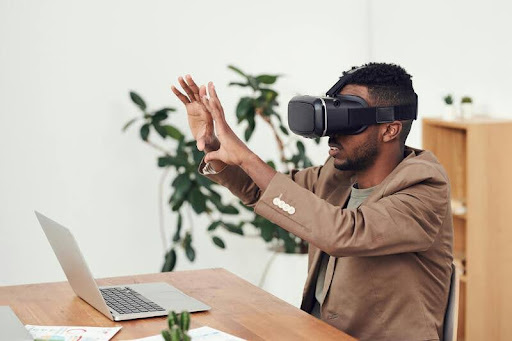
Blending reality and sweat—VR fitness is redefining the workout experience in the Web4 era.
We’ve come a long way from the early days of dial-up. The internet has gone through major changes. Web1 gave us static pages, Web2 brought social media and user interaction, and Web3 added decentralization and blockchain into the mix. So what’s Web4?
Web4 is what many are calling the next internet. It’s not just about technology; it’s about how humans and machines will interact in deeper, more meaningful ways. Think beyond websites and apps; it’s the foundation for a smarter, more connected world.
Why should you care? Because by 2030, Web4 could impact how you work, shop, learn, and even think. Let’s break down the top predictions shaping this next phase.
How Will AI Be Used in Web4?
AI will move from tool to teammate.
Right now, artificial intelligence helps you autocomplete emails, suggest movies, or respond to customer service chats. By 2030, AI could be deeply woven into every part of the internet. It won’t just support what you’re doing, it’ll anticipate it.
Web4 could introduce AI that’s not just responsive, but proactive. Imagine logging into a platform and having everything, from your layout to your content, adapt to your mood, habits, and context. AI could act like a digital co-pilot, helping you make decisions, create content, and interact with others in smarter, faster ways.
We’re not talking about sci-fi robots here. We’re talking about AI that blends seamlessly into your digital experience, making life easier without you even noticing it.
Will Web4 Be Fully Decentralized?
Decentralization will be the backbone, not just a feature.
Web3 laid the groundwork with blockchain and crypto, but Web4 could push decentralization into everyday online life. No more giant companies controlling your data or platforms shaping what you see.
Instead, Web4 might run on peer-to-peer networks, where users own their data and applications run without centralized servers. It’s about trust, control, and transparency, values that more and more internet users are demanding.
This doesn’t mean every corner of the internet will be decentralized overnight. But expect a noticeable shift toward systems where you’re not just a user, you’re a participant with real power.
What Will Digital Identity Look Like in Web4?
You’ll have one smart identity that works everywhere.
Tired of managing a million passwords and logins? Web4 might solve that. Imagine having a secure digital ID that follows you across platforms, but with full privacy control.
This kind of identity wouldn’t just be a username. It could carry your credentials, reputation, preferences, and maybe even access levels for different platforms. And the best part? You’d be in control of what’s visible and to whom.
No more starting from scratch every time you join a new app. Web4 will make identity smarter, safer, and more consistent.
How Will the Internet Feel Different by 2030?
The digital and physical worlds will blend together.
Picture this: You walk into your living room, and your walls show live data from the web. You put on lightweight glasses that project a personalized workspace wherever you look. Web4 won’t live inside your laptop; it’ll surround you.
This shift will be driven by augmented reality (AR), spatial computing, and ambient intelligence. Instead of “logging in,” you’ll just interact with spaces, devices, and objects that understand what you need.
The future isn’t just immersive. It’s responsive. Web4 aims to make the internet feel like an extension of your environment, not a separate space.
What Is Interoperability and Why Does It Matter?
Apps and platforms will finally talk to each other.
Right now, your data is trapped in silos. Want to move your Spotify playlists to Apple Music? Good luck. But Web4 could bring true interoperability, meaning all your tools and platforms could work together without jumping through hoops.
Imagine switching devices, apps, or accounts without losing your data, history, or preferences. Open standards will make it possible for services to integrate naturally, giving you a smoother and more cohesive experience.
The internet will feel less like a maze of walled gardens and more like an open field, where your digital life moves with you, not against you.
Will Content Get Smarter with Web4?
Yes, Web4 content will be context-aware and real-time.
In the next internet, content won’t just sit there waiting to be read. It’ll adjust, respond, and evolve based on who’s viewing it and why.
Web4 could deliver experiences where your news feed understands your emotional state. Or where educational platforms adapt in real-time to your learning speed. This level of personalization goes way beyond algorithms; it’s about dynamic content that knows what you need, when you need it.
And for creators? That means less guesswork and more meaningful connections with audiences.
How Will Web4 Change Online Economies?
Digital value will be redefined.
Web4 might finally make microtransactions work on a broad scale, letting you pay tiny amounts for content, services, or even attention, without clunky payment gateways.
We’re talking programmable economies where smart contracts automatically reward contributions.
Users could earn digital tokens for engagement, creativity, or even just spending time on a platform. Web4 shifts the web economy from ad-based models to value-based ones, where attention, reputation, and effort are the new currencies.
It’s not just about getting paid. It’s about recognizing value in all its forms.
What About Privacy, Ethics, and Regulation?
Web4 won’t just be smart, it’ll be built on trust.
With more intelligent and immersive systems comes the need for guardrails. Web4 could be the first internet era with ethics designed into its architecture, not patched on afterward.
Expect systems that come with built-in transparency, consent layers, and digital contracts you actually understand. Regulation may move from top-down enforcement to protocol-based governance, decentralized but enforceable.
The big question is: Can we create systems that are both powerful and respectful? Web4 says yes, but it’ll take cooperation between users, developers, and policymakers.
What Will Web4 Look Like for the Average Internet User?
It’ll feel natural, like the internet finally caught up with you.
For most people, the shift to Web4 won’t feel like flipping a switch. It’ll happen gradually, through smarter apps, better devices, and more connected experiences. You’ll notice your tech feels more in sync with your daily life. Less friction, more flow.
The big idea? Web4 isn’t about flashier tools. It’s about making the web work with you, not just for you.
Final Thoughts: Is Web4 the Future We’ve Been Waiting For?
Web4 is more than just another version of the internet. It’s a new framework for how we live, work, and connect online.
By 2030, we could be living in a world where the line between human and machine interaction is blurred, where privacy is baked in, and where the web adapts to us, not the other way around.
Sounds exciting, right? But it’s also a call to action. We all have a role in shaping this next chapter, so stay curious, stay informed, and don’t be afraid to ask big questions.
Because the next internet isn’t just coming. You’re helping build it.
Quick FAQ: Web4 Predictions for 2030
What is Web4 in simple terms? Web4 is the predicted next phase of the internet that combines advanced AI, decentralization, immersive tech, and smarter digital identities to create a more personalized and responsive online experience.
How is Web4 different from Web3? Web3 emphasizes decentralization and blockchain technology. In contrast, Web4 extends this foundation with artificial intelligence, mixed reality, and individualized experiences, striving to create a more intuitive and user-centric internet.
Will Web4 completely take over existing websites and applications? Not in the near future. Web4 is expected to evolve in tandem with current platforms, gradually changing their functionalities and interactions instead of transitioning everything all at once.
Is Web4 designed to be safe and secure? Web4 intends to enhance security through user
About the Author