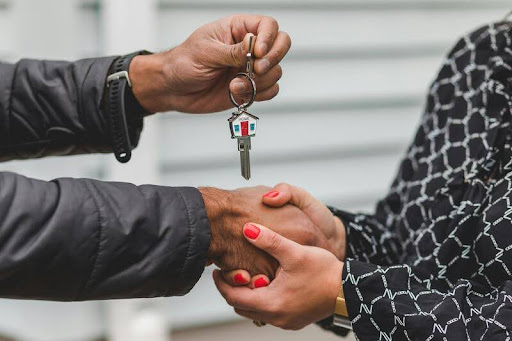
The final step: Receiving the keys and officially becoming a homeowner
So, you’ve saved up for a down payment, found the perfect house, and you’re ready to sign those papers. But then someone mentions “closing costs”, and suddenly, you’re not so sure what’s coming next. Sound familiar?
If you’re wondering what closing costs are when buying a home, you’re definitely not alone. It’s one of the most common and confusing parts of the homebuying process. Let’s clear it up, one step at a time.
What Are Closing Costs When Buying a House?
Closing costs are the fees and expenses you pay to finalize a home purchase. They’re separate from your down payment and cover everything from loan processing to legal paperwork.
These costs are due at the end of the buying process, usually on your closing day, just before you get the keys. In most cases, the buyer pays the bulk of closing costs, but the seller often pays their share, too.
What Do Closing Costs Include?
Closing costs include a mix of lender fees, service charges, legal expenses, and prepaid costs. Here’s a breakdown of what you might see:
Loan-Related Fees
These are tied to your mortgage lender and the cost of getting your loan approved.
- Loan origination fee – What the lender charges to process your mortgage
- Application fee – Covers administrative work related to your loan request
- Credit report fee – Pays for pulling your credit history
Title and Legal Fees
Title companies make sure the property is legally clear to sell, and everything’s documented correctly.
- Title search – Confirms there are no liens or claims against the property
- Title insurance – Protects you and the lender if problems come up later
- Attorney fees – If a lawyer is involved in your closing process (varies by state)
Property-Related Fees
These ensure the home is valued correctly and meets condition standards.
- Appraisal fee – The lender’s way of making sure the home is worth the loan amount
- Home inspection fee – Helps uncover hidden issues before you buy
- Survey fee – Verifies property boundaries, sometimes required
Government and Recording Fees
These cover the legal process of transferring ownership.
- Recording fees – Charged by your local government to officially record the sale
- Transfer taxes – A state or local tax on the property transfer
Prepaid Costs
These aren’t technically fees, but you pay them upfront at closing.
- Homeowners insurance – Required by lenders, usually paid a year in advance
- Property taxes – Often prorated for the year and due at closing
- Prepaid interest – Covers interest from your closing day to your first mortgage payment
All together, it adds up quickly. But don’t worry, we’ll get into how much you should actually expect next.
How Much Are Closing Costs?
On average, closing costs range from 2% to 5% of the home’s purchase price.
So, if you’re buying a $350,000 home, you could pay between $7,000 and $17,500 in closing costs.
Here’s what affects the total:
- Where you live – States like New York and California tend to have higher fees
- Home price – The higher the price, the higher the percentage-based fees
- Loan type and lender – Some lenders charge more or less, depending on the loan structure
- Your choices – Things like inspections, insurance, and how much you prepay all matter
If that sounds like a lot, it is. But the good news? You won’t be guessing what you owe.
How Can I Estimate My Closing Costs Beforehand?
Use your Loan Estimate and Closing Disclosure to get a clear picture of your closing costs. These are documents your lender must provide by law.
- The Loan Estimate comes early in the process and gives a rough idea of your total costs
- The Closing Disclosure is delivered at least 3 business days before closing, with final numbers
These documents break down fees line-by-line, so take time to review them carefully. If anything looks off, ask your lender. That’s what they’re there for.
Want to get a ballpark before applying? You can also use online closing cost calculators offered by banks, credit unions, or real estate sites. They’re not perfect, but they can give you a decent starting point.
Can I Lower or Avoid Some Closing Costs?
Yes! You may not be able to avoid every fee, but you can reduce or negotiate some closing costs.
Here’s how:
- Ask the seller to contribute – This is called a seller concession. It’s more common in buyer-friendly markets.
- Shop around for services – You don’t have to go with your lender’s preferred title company or insurer. Compare quotes.
- Negotiate lender fees – Some lenders may waive application fees or offer no-closing-cost loans (though these often come with higher rates).
- Look into assistance programs – Many states and local governments offer first-time homebuyer grants or closing cost help.
Pro tip: Some lenders offer lender credits, which reduce your upfront costs but raise your interest rate. Always weigh short-term savings against long-term expense.
What’s the Best Way to Budget for Closing Costs?
The best approach? Plan early and build closing costs into your total homebuying budget.
Let’s say your budget is $400,000. Instead of spending all that on a house, aim to spend $385,000–$390,000 so you can cover closing without stress.
Here are a few more budgeting tips:
- Start saving as soon as you begin house hunting
- Ask your lender for upfront estimates
- Review your final Closing Disclosure carefully, double-check for surprise charges
- Don’t forget moving costs, new furniture, and utility deposits after closing
A little planning now saves a lot of scrambling later.
Why Are Closing Costs So Important?
Here’s the thing: closing costs aren’t optional, and they can catch buyers off guard if you’re not prepared.
They’re a crucial part of wrapping up the sale, making sure everything’s legal, fair, and financially squared away. Skip this step, and you can’t get the keys.
So yes, it’s just one part of buying a home, but it’s one you really want to understand.
FAQ: Common Questions About Closing Costs
Q: Can closing costs be rolled into the mortgage? A: Sometimes. Some loan programs allow you to finance part of your closing costs, but this increases your loan amount and monthly payment.
Q: Are closing costs tax-deductible? A: Certain parts, like mortgage interest and property taxes, may be deductible. Check with a tax advisor for specifics based on your situation.
Q: Do first-time homebuyers get help with closing costs? A: Yes. Many state and local programs offer grants or assistance to reduce upfront costs for first-time buyers.
Q: Who pays more in closing costs, the buyer or the seller? A: Buyers typically pay more, but sellers often cover some costs, especially if it helps seal the deal.
Q: What if I can’t afford closing costs? A: Talk to your lender. You may qualify for down payment and closing cost assistance programs, or explore loans with lender credits.
Final Thoughts: Closing Costs Don’t Have to Be a Mystery
Buying a home is a huge milestone, but it comes with a lot of fine print. Understanding your closing costs early in the process helps you avoid surprises and stay on budget.
Take the time to review your documents, ask your lender questions, and plan ahead. You’ll thank yourself on closing day when everything runs smoothly, and those keys are finally in your hands.
Have more questions about closing costs? Drop them in the comments below or share this post with someone else navigating the homebuying maze!
About the Author