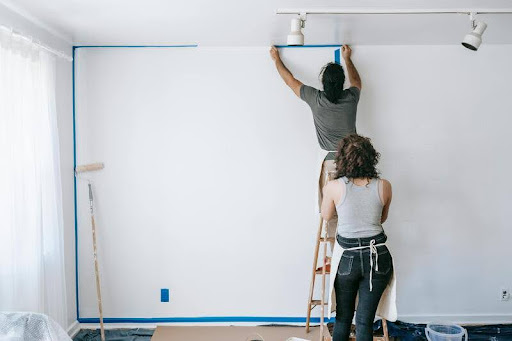
Tackling repairs one step at a time—what it really looks like to own a fixer-upper.
Is a renovation project right for you? Let’s break it down.
Buying a home is a big deal, financially, emotionally, and logistically. And if you’ve been scrolling through listings, you’ve probably seen a few fixer-uppers pop up with price tags that make you pause. They’re tempting, right? Lower cost, loads of potential…but also a bit risky.
So, is buying a fixer-upper a smart move, or a renovation nightmare waiting to happen? Let’s dig into the real pros and cons so you can decide if it’s the right path for you.
What exactly is a fixer-upper, and why do people buy them?
A fixer-upper is a home that needs repairs or updates before it’s move-in ready. These properties often show their age, maybe outdated kitchens, worn-out flooring, or more serious issues like old wiring or leaky roofs.
People buy fixer-uppers for a few key reasons: lower upfront cost, the chance to build equity fast, and the freedom to put their personal stamp on the place. But like anything in real estate, it comes with trade-offs.
Is buying a fixer-upper worth it financially?
It can be, but that depends on your goals and how well you manage the renovation process.
On the upside, these homes usually list for far less than updated properties in the same area. According to data from the National Association of Realtors (NAR), homes in need of major repair often sell for up to 20% less than move-in-ready homes nearby.
If you renovate wisely, you might increase the home’s value significantly. That can mean instant equity and a solid return if you decide to sell later on.
But there’s a catch: renovations aren’t cheap. And unless you plan and budget carefully, you could end up spending more than you would have on a turn-key home.
What are the main advantages of buying a fixer-upper?
Let’s look at the biggest perks, plain and simple.
1. Lower Purchase Price
Fixer-uppers are usually cheaper. That lower price can make homeownership possible in neighborhoods that might otherwise be out of reach.
2. Potential for Higher Equity
If you renovate smartly, you could see a nice bump in value. A well-executed kitchen remodel, for example, can recoup over 70% of its cost in added value, according to Remodeling Magazine’s Cost vs. Value report.
3. Customization from the Ground Up
Want to knock down walls or add a farmhouse sink? With a fixer-upper, you’re in charge. You can shape the space to match your lifestyle and design preferences from the beginning.
4. Less Buyer Competition
Many buyers shy away from the work involved, so there’s often less bidding war drama. That could give you more negotiating power.
What are the downsides of buying a fixer-upper home?
Now for the not-so-fun stuff. Fixer-uppers can come with challenges that catch buyers off guard.
1. Renovation Costs Add Up Fast
It’s easy to underestimate how much you’ll spend fixing things up. Plumbing, electrical, permits, none of it comes cheap. Without a solid budget (and a cushion for surprises), you could blow through your savings fast.
2. Time-Intensive Projects
These aren’t weekend jobs. Full renovations can drag on for months, and delays are common. Think backorders, inspection issues, or contractor scheduling problems.
3. Hidden Problems Can Be a Dealbreaker
Not all issues are visible at the walkthrough. You might discover mold, structural damage, or outdated systems that need major upgrades. That’s why a home inspection is non-negotiable.
4. Financing Can Get Tricky
Traditional loans may not cover a home that needs extensive repairs. You may need a renovation loan like an FHA 203(k) or Fannie Mae’s HomeStyle® loan, which have different rules and paperwork requirements.
How do you know if a fixer-upper is a good idea for you?
Ask yourself a few key questions:
- Are you handy or willing to learn?
- Do you have time to manage a renovation?
- Is your budget flexible enough to handle unexpected costs?
- Are you patient enough to wait for the finished product?
If you answered yes to most of those, you might be a good candidate for a fixer-upper. But if you need to move in quickly, don’t want the stress of overseeing contractors, or hate living in chaos, it might not be the best fit.
How can you avoid common fixer-upper pitfalls?
There’s no magic formula, but you can protect yourself with a few smart moves:
- Get a full home inspection before making an offer. This helps uncover hidden issues early.
- Build a renovation budget, then add at least 15–20% for unexpected costs.
- Know your renovation limits. If the project involves major structural work, it’s probably not DIY-friendly.
- Check local zoning and HOA rules before you plan any big changes.
- Line up financing early. Not all lenders are cool with fixer-uppers, especially ones in poor condition.
What kind of loan is best for buying a fixer-upper?
If the house needs repairs right away, you might not qualify for a regular mortgage. Instead, look into:
- FHA 203(k) Loan – Great for buyers with smaller down payments. It wraps both the home purchase and renovation costs into one loan.
- Fannie Mae HomeStyle® Loan – Offers more flexibility but requires good credit and a detailed renovation plan.
- VA Renovation Loan – Available for qualifying military members and veterans, though with more limited renovation options.
Talk to a lender early so you know which programs you qualify for and what documentation you’ll need.
How do fixer-uppers compare to move-in-ready homes?
Let’s put it this way: Move-in-ready homes offer convenience. Fixer-uppers offer opportunity.
With a move-in-ready home, you’re paying for someone else’s upgrades and design choices. It’s easier, faster, and you avoid renovation stress, but you also miss out on that chance to truly make it yours.
With a fixer-upper, you have more control but also more work. The choice comes down to your priorities, timeline, and tolerance for chaos.
What’s the best way to buy a fixer-upper without getting overwhelmed?
Keep it simple: do your homework and plan ahead.
Create a realistic budget, line up the right financing, and work with a real estate agent who understands the fixer-upper market. And maybe most importantly, don’t fall in love with the idea of potential. Focus on the numbers and the facts.
Want a fixer-upper that feels more like a smart investment than a money pit? Stick to properties that need cosmetic updates, not full gut jobs, unless you have the experience and budget to handle it.
Final Thoughts: Should You Buy a Fixer-Upper?
Fixer-uppers aren’t for everyone. They come with risks, delays, and a whole lot of dust. But they also offer huge potential, financially and creatively. If you’re ready to roll up your sleeves and can handle a few curveballs, buying a fixer-upper might just be the key to unlocking your dream home at a fraction of the price.
But if the idea of living in a construction zone makes you cringe? A move-in-ready home might be the better route.
Whatever you choose, just make sure it fits your lifestyle, your timeline, and your wallet.
FAQ: Buying a Fixer-Upper
(Formatted for schema markup)
Q: What does fixer-upper mean in real estate? A fixer-upper is a home that needs repairs or updates before it’s livable or fully functional.
Q: Is it cheaper to buy a fixer-upper and renovate? Often, yes, but only if renovation costs are managed well. Unplanned repairs can make it more expensive in the long run.
Q: What loan can I use to buy a fixer-upper? Popular options include the FHA 203(k) loan, Fannie Mae HomeStyle® loan, and VA renovation loans.
Q: Can I live in a fixer-upper while renovating? It depends on the scope of work. Some cosmetic updates are livable, but major renovations may require you to stay elsewhere temporarily.
Q: Are fixer-uppers a good investment? They can be, especially if bought at a good price and renovated wisely. But they do carry more financial risk than move-in-ready homes.
About the Author