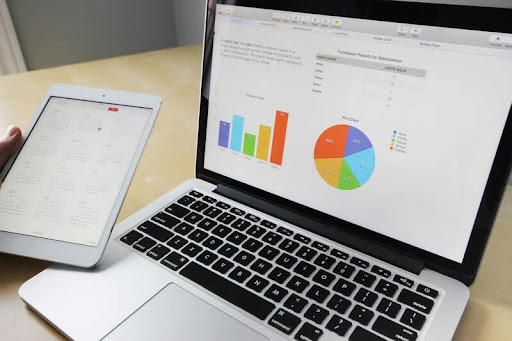
Researching credit scores and budgeting tools—homebuying starts with smart planning.
Thinking about buying a home? That’s a big step, and an exciting one! But before you start scrolling through listings or daydreaming about backyard barbecues, there’s one major thing you’ve got to do first: get your credit and finances in shape.
Buying a home is likely the biggest purchase you’ll ever make, and lenders want to see that you’re financially ready. That doesn’t mean you need to be perfect; it just means being prepared.
This guide breaks it all down: how to improve your credit score, manage debt, boost your savings, and budget smart so you’re ready when it’s time to apply for a mortgage. Let’s dive in.
What Credit Score Do You Need to Buy a House?
Generally, you’ll need a credit score of at least 620 to qualify for most conventional loans in the U.S. But here’s the thing: that’s just the baseline. The higher your score, the better your chances of snagging a lower interest rate, and that can save you thousands over the life of your loan.
Here’s a rough breakdown:
- 580 or higher: May qualify for FHA loans with a 3.5% down payment
- 620 or higher: Minimum for most conventional loans
- 740 or higher: Typically gets you the best rates and terms
If your score’s not where you want it to be, don’t panic. You can absolutely improve it, and we’ll show you how.
How Can I Check My Credit Report and Fix Mistakes?
First step: know what you’re working with. That means pulling your full credit reports, not just your score.
You can get a free report from each of the three major credit bureaus (Equifax, Experian, and TransUnion) once per year at AnnualCreditReport.com. In fact, they’re offering free weekly reports through the end of 2025.
What to look for:
- Late or missed payments
- Accounts that don’t belong to you
- Incorrect balances or limits
- Outdated negative marks
See something wrong? Dispute it right away through the credit bureau’s website. Fixing errors can raise your score and clean up your financial profile before lenders see it.
What’s the Best Way to Pay Down Debt Before Buying a House?
Lenders pay close attention to your debt-to-income ratio (DTI), the percentage of your monthly income that goes toward debt payments. A lower DTI tells them you can handle a mortgage responsibly.
To reduce your DTI and improve your financial standing:
- Focus on high-interest credit cards first.
- Make more than the minimum payment whenever possible.
- Avoid taking on any new debt while you’re preparing to buy.
Bonus tip? Try the snowball or avalanche method to pay off balances faster.
Why Does a Consistent Payment History Matter So Much?
Because your payment history makes up 35% of your credit score, the largest factor. Lenders want to see that you pay your bills on time, every time.
If this hasn’t been your strong suit, now’s the time to tighten up. Even one late payment can knock your score down. Set up autopay or reminders to keep things on track.
Consistency now means trust later, especially in the eyes of a mortgage lender.
Should I Open New Credit Before Buying a Home?
Short answer: Nope. Not now.
Opening new credit lines or making big purchases on credit, like furniture, cars, or electronics, can hurt your score. It increases your DTI and adds hard inquiries, which can drag your score down temporarily.
Lenders are looking for stability, so hold off until after closing on your home.
How Do I Create a Budget to Afford a Home?
If you’re not sure how much house you can afford, that’s totally normal. Start by building a realistic budget based on your income, expenses, and savings goals.
Your housing costs (mortgage, taxes, insurance) should ideally stay below 28% of your gross monthly income, and your total DTI should stay under 36%.
Don’t forget:
- Property taxes
- Homeowner’s insurance
- Maintenance and repairs
- HOA fees (if applicable)
Use online mortgage calculators to play with the numbers, but always leave room for the unexpected. Buying at the very top of your budget can lead to regret down the road.
How Much Should I Save Before Buying a House?
The more you save, the better your position.
Here’s what to aim for:
- Down payment: 3%–20% of the purchase price, depending on the loan
- Closing costs: Typically 2%–5% of the home price
- Emergency fund: 3–6 months of living expenses (yes, even after you buy)
Set up automatic transfers to a dedicated savings account. Even small, consistent contributions can add up fast over a few months or a year.
What’s the Difference Between Prequalification and Preapproval?
Both are steps toward getting a mortgage, but they’re not the same.
- Prequalification is a rough estimate based on basic financial information you provide.
- Preapproval digs deeper, lenders look at your credit report, verify your income, and run the numbers.
A preapproval letter shows sellers you’re a serious buyer, and it gives you a clear budget to stick to.
What Should I Double-Check Before Applying for a Mortgage?
Before you send in that mortgage application, do a final sweep of your finances:
The credit report is error-free
The score is where it needs to be
Debt is manageable
Payments are on time
Savings are solid
No new debt or big spending
If something feels off, take another month to sort it out. Rushing into a mortgage application when your finances aren’t ready can cost you later.
Final Thoughts: Prepare Now, Stress Less Later
Buying a home is a huge step, but it doesn’t have to be overwhelming. The more effort you put into prepping your credit and finances now, the smoother your homebuying journey will be.
Think of it like prepping the soil before planting. It takes time and care, but it sets you up for long-term success.
Ready to get started? Pull your credit report today, map out a savings plan, and start building the foundation for your future home.
FAQs: Credit and Financial Prep for Buying a Home
Q: What’s the minimum credit score to buy a house in the U.S.? A: Most conventional loans require at least 620, but FHA loans may accept scores as low as 580 with a 3.5% down payment.
Q: How long before buying a house should I start preparing my finances? A: Ideally, start 6 to 12 months in advance. This gives you time to fix credit issues, pay down debt, and build savings.
Q: Will checking my own credit hurt my score? A: No. Soft inquiries (like checking your own report) do not affect your credit score.
Q: How much should I save for a down payment? A: Aim for at least 3%–5% of the home’s purchase price, but 20% is ideal to avoid private mortgage insurance (PMI).
Q: Can I buy a house if I have student loans? A: Yes, as long as your debt-to-income ratio is within lender limits. Managing your student loan payments consistently can help.
Want to feel more confident when applying for a mortgage? Take action today, whether that’s paying off a credit card, starting a savings plan, or simply pulling your credit report. Your future self (and your future home) will thank you.
About the Author