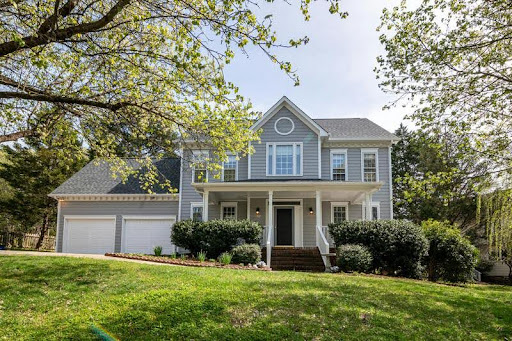
A calm exterior doesn't always reflect the investment challenges inside
Getting into commercial real estate sounds exciting, right? Big buildings, long-term leases, steady rental income. It all seems like a smart, lucrative move. And sure, it can be. But it can also become a financial headache if you walk into it blind. The truth is, a lot of people make avoidable mistakes when investing in commercial property. Let’s break down the most common ones so you can steer clear of them.
Why Is Skipping Market Research a Costly Mistake?
Because guessing doesn’t work in real estate.
Too many investors jump into commercial deals without understanding the local market. They assume a property will generate income just because it looks promising or it’s in a busy area. But looks can be deceiving.
Without proper research, you might invest in a space that’s oversaturated with competition, located in a declining area, or stuck with zoning restrictions that limit your plans. Smart investors dig into data. They look at vacancy rates, local business growth, traffic patterns, and zoning laws. They ask: “Is there real demand for this type of property here?”
Skipping this step? That’s a fast track to regret.
What Happens When You Misjudge Property Value and ROI?
You pay too much or earn too little.
It’s easy to get caught up in future dreams. “This place will be worth double in five years!” Sure, but only if everything goes right. And in commercial real estate, that’s a big if.
Misjudging value often comes down to poor forecasting. Investors overlook necessary upgrades, underestimate ongoing costs, or rely on overly optimistic rent estimates.
Instead, base your ROI calculations on actual numbers, not hope. Account for maintenance, taxes, utilities, and vacancies. And don’t ignore the cap rate, it’s one of the clearest ways to compare a property’s income potential against its price.
How Does Skipping Due Diligence Lead to Trouble?
Because surprises are expensive.
Some investors don’t bother with deep inspections or legal reviews. Maybe they’re in a rush. Maybe they assume everything is fine. Either way, skipping due diligence is risky business.
You need to know what you’re buying. Are there liens on the property? Hidden structural issues? Pending lawsuits? Unfavorable lease terms? Environmental concerns? These aren’t things you want to discover after you sign.
A smart move: hire a team. Bring in a lawyer, an inspector, and a commercial broker. Have them comb through every document, lease, and square foot.
Why Is Poor Financial Planning a Deal Breaker?
Because running out of money halfway through a project is the worst-case scenario.
Too many investors stretch their budgets thin or depend too heavily on loans. They plan for perfect conditions, full occupancy, low interest rates, and no emergencies.
But commercial real estate isn’t that predictable.
You’ll need reserves for repairs, insurance hikes, property taxes, or a few months (or more) of vacancy. Plan for the worst while working toward the best. That way, you’re never caught off guard.
Also, don’t forget about tax obligations. Commercial property comes with a different tax structure from residential property. Speak with a CPA familiar with real estate. They can help you forecast your tax burden and take advantage of any deductions or benefits.
What Makes Weak Lease Agreements Risky?
They leave you unprotected.
The lease is your main source of income. Yet some investors treat it like fine print. If your lease isn’t clear, balanced, and enforceable, you’re asking for trouble.
A good lease spells out maintenance duties, rent terms, escalation clauses, renewal conditions, and penalties for default. It protects both you and your tenant. Without it? You’re relying on trust, and trust doesn’t pay the bills.
Also: screen your tenants. A signed lease means nothing if the tenant can’t pay.
Can Poor Property Management Hurt Your Investment?
Absolutely.
Think owning a property is passive income? Not quite. If you’re managing it yourself, it’s work. And if you’re hiring someone else, it’s still your responsibility to make sure the job’s getting done right.
Bad management leads to delayed maintenance, frustrated tenants, and declining property value. Even a great location can go south if the building looks neglected.
So, whether you’re DIY or outsourcing, set up a solid management plan. Stay proactive. Communicate with tenants. Keep things running smoothly. Your bottom line depends on it.
What Happens If You Don’t Have an Exit Strategy?
You get stuck.
Every smart investment has an exit plan. Commercial real estate is no different. Whether you plan to sell, refinance, or hold long-term, you need to think about your options upfront.
Some investors hold on to properties too long, even when the numbers stop making sense. Others sell too soon and miss out on long-term growth.
Ask yourself: “What’s my goal here?” Cash flow? Equity growth? A quick flip? Your answer shapes your strategy. And your strategy shapes your success.
How Can Emotions Derail a Commercial Investment?
Because feelings don’t pay the mortgage.
Let’s face it, it’s easy to fall in love with a property. The design, the location, the potential. But if you let excitement overrule logic, you might miss critical red flags.
Smart investors treat real estate like a business decision. They focus on numbers, not gut feelings. Trends come and go. Popular areas can shift. What matters most is whether the property fits your goals, risk tolerance, and financial plan.
So, take a breath. Crunch the numbers. Make a decision based on facts, not fantasies.
Final Thoughts: Commercial Real Estate Requires Strategy
Commercial property can be a powerful wealth-building tool if you do it right. It’s not just about buying a building and waiting for checks to roll in. It’s about understanding the market, managing the details, and planning.
Avoiding these common mistakes won’t guarantee success, but it puts you in a much stronger position to make smart, profitable choices.
If you’re thinking of diving into commercial real estate, take your time. Do your homework. And don’t be afraid to bring in experts when you need them.
Frequently Asked Questions (FAQ)
What is the biggest mistake first-time commercial property investors make? Skipping market research and relying on assumptions instead of data.
How can I avoid overpaying for a commercial property? Use accurate ROI calculations, analyze cap rates, and always factor in total operating costs.
Do I need a lawyer for commercial property deals? Yes. A real estate attorney can help you avoid legal pitfalls during the purchase and lease processes.
What should I include in a solid commercial lease agreement? Maintenance terms, rent escalation, renewal clauses, and penalties for default.
Is commercial property a good investment in 2025? It can be, especially in markets showing growth in logistics, healthcare, and mixed-use development. Always assess local trends first.
About the Author